Bered
Who was Bered in the Bible?
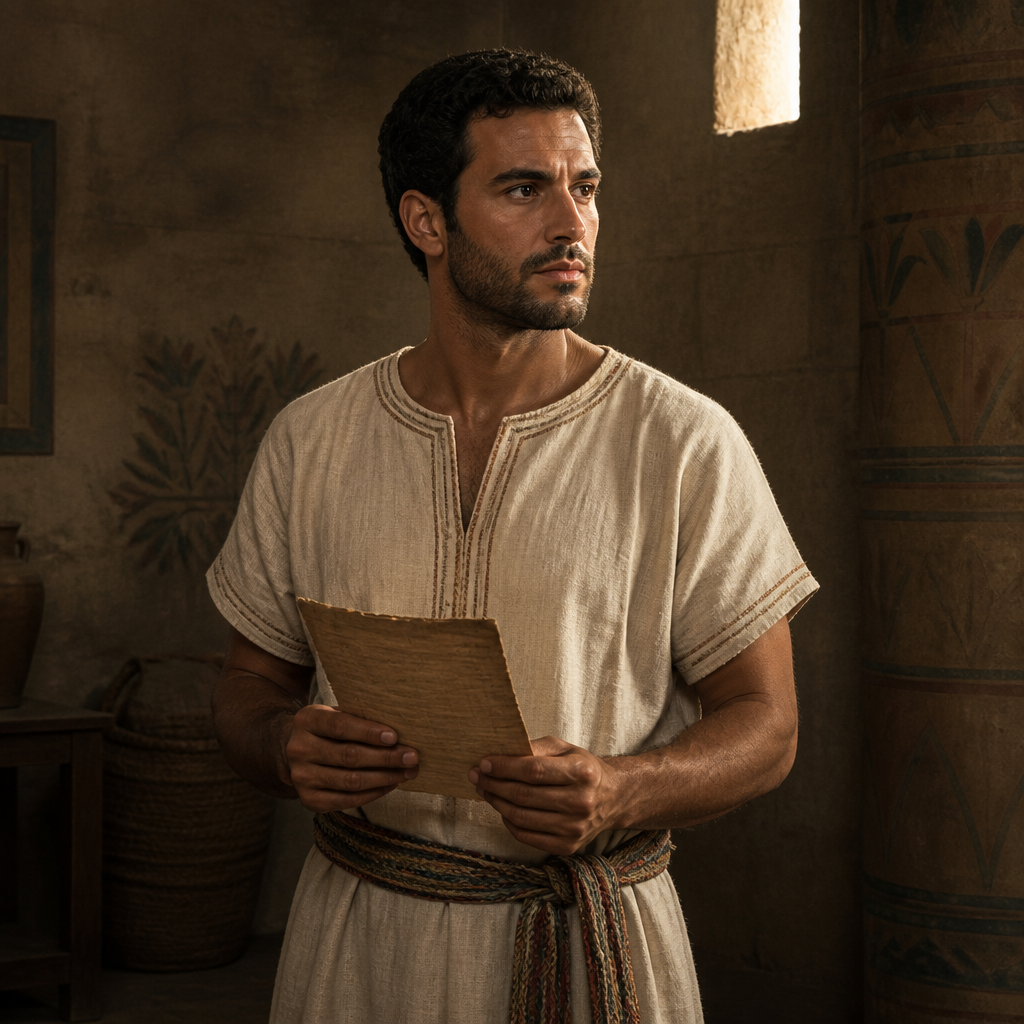
Bered was a descendant of the tribe of Ephraim during the Egyptian sojourn, identified as the son of Shuthelah and a link in the pre-Exodus genealogy.
Bered is a figure from the tribe of Ephraim mentioned within the genealogical records of the Old Testament. He lived during the period of the Egyptian sojourn, a time when the descendants of Jacob were multiplying and establishing their tribal identities in Egypt before the rise of the Pharaoh who knew not Joseph.
His place in the biblical record is strictly genealogical, serving to bridge the lineage between the patriarch Ephraim and the later generations that would eventually enter the Promised Land. While the biblical text provides no narrative details regarding his life or personal achievements, he is preserved in the sacred record as a vital link in the preservation of the Ephraimite heritage.
Background and Family
Bered appears in the genealogical listings of 1 Chronicles 7, a section dedicated to the descendants of the sons of Jacob. He is identified as a member of the tribe of Ephraim, one of the two sons of Joseph. According to the record in 1 Chronicles 7:20, Bered was the son of Shuthelah, who was the primary son and heir of Ephraim.
The text establishes Bered’s immediate family structure within the tribal hierarchy. He was the brother of Eran and the father of Tahath. This placement suggests Bered lived during the generations that followed the initial settlement of the Hebrews in the land of Goshen. As a grandson of Ephraim (or a great-grandson, depending on the interpretation of the repetitive names in the list), Bered represents the expansion of the tribe during the prosperous years in Egypt before the period of harsh servitude began.
Major Life Events
There are no specific major life events recorded for Bered in the Masoretic Text or the Septuagint. His existence is documented solely through his inclusion in the tribal registries. The absence of narrative details is common for many figures in the Books of Chronicles, which were compiled to establish the legal and spiritual legitimacy of the returning exiles by documenting their ancestral roots.
However, the presence of Bered in these lists confirms that the tribe of Ephraim maintained careful records of its lineage during the centuries spent in Egypt. Bered’s life would have been characterized by the transition of the Israelites from a small family unit into a populous nation. He lived in an era where the memory of Joseph’s authority in Egypt was still relatively fresh, yet the tribe was beginning to establish its distinct internal leadership structures.
Relationship to Other Biblical Figures
Bered is positioned between his father, Shuthelah, and his son, Tahath. In the broader context of the tribe, he is a direct descendant of Joseph through Ephraim. The genealogical sequence in 1 Chronicles 7:20 reads: "The descendants of Ephraim: Shuthelah, Bered his son, Tahath his son, Eleadah his son, Tahath his son."
It is noteworthy that the name Tahath appears twice in this sequence, suggesting either a repetition of family names across generations or a complex genealogical structure. Bered’s role is that of a transmitter of the tribal promise, ensuring that the lineage of Ephraim remained intact until the time of the Exodus.
Spiritual Significance
Though Bered is a minor figure, his inclusion in the Bible underscores the theological theme of God’s faithfulness to his covenant with the patriarchs. By naming individuals like Bered, the Chronicler emphasizes that every member of the covenant community is known to God.
In the context of the Egyptian sojourn, Bered represents the fulfillment of the promise made to Abraham that his descendants would be as numerous as the stars. Even in the silence of the biblical narrative regarding his personal deeds, Bered stands as a witness to the continuity of the Israelite people during their formative years in a foreign land. His name is etched into the record to prove the legitimacy of the Ephraimite inheritance, a tribe that would eventually become the dominant power in the Northern Kingdom of Israel.
Bered's significance lies in his role as a genealogical link in the tribe of Ephraim. His name ensures the continuity of the legal and tribal identity of the Josephite lineage from the time of the patriarchs to the time of the settlement in Canaan. In a broader theological sense, he represents the individuals within the 'great multitude' of Israel who, while not performing recorded miracles or leading armies, were essential to the fulfillment of God's promise to multiply the seed of Abraham.
Frequently Asked Questions
Which tribe did Bered belong to?
Bered belonged to the tribe of Ephraim, which was one of the two tribes descended from Joseph.
Who was Bered's father?
According to 1 Chronicles 7:20, Bered's father was Shuthelah, the son of Ephraim.
Did Bered have any children?
Yes, the biblical record identifies Tahath as the son of Bered.
During what time period did Bered live?
Bered lived during the Egyptian Sojourn, the period when the Israelites resided in Egypt before the Exodus.
How many times is Bered mentioned in the Bible?
This specific Bered is mentioned only once, in 1 Chronicles 7:20.
Family & Relationships
Parents
 Shuthelah, Son of EphraimFatherNumbers 26:36
Inferred
Reconstructed through Ephraim: 1 Chronicles 7:20 ties Bered to Ephraim (itself an inferred link); Numbers 26:35 ties Ephraim to Shuthelah. No verse states the father link between Bered and Shuthelah directly.Evidence: Numbers 26:36
 BeredThis page
 EranBrotherNumbers 26:36
Inferred
Reconstructed through Ephraim and Shuthelah: 1 Chronicles 7:20 ties Bered to Ephraim (itself an inferred link); Numbers 26:35 ties Ephraim to Shuthelah; Numbers 26:36 ties Shuthelah to Eran. No verse states the brother link between Bered and Eran directly.Evidence: Numbers 26:36
Children
 Tahath, Son of BeredSon1 Chronicles 7:20Stated
Extended family
 EphraimGrandfather1 Chronicles 7:20
Inferred
1 Chronicles 7:20 lists Bered and Ephraim among the descendants of ephraim, but does not say how the two of them are related.Evidence: 1 Chronicles 7:20
Connected Figures
Family
Father · Numbers 26:36
Shuthelah was the firstborn son of Ephraim and the ancestral head of the Shuthelahite clan during the Israelite sojourn in Egypt.
Son · 1 Chronicles 7:20
A descendant of Ephraim recorded in the genealogies of 1 Chronicles, identified as the son of Bered and the father of Eleadah.
Brother · Numbers 26:36
Eran was a grandson of Ephraim and the founder of the Eranite clan, recorded during the census of Israel in the wilderness.
Egypt and WildernessFirst: Numbers 26:363 versesPatriarchEphraim
Grandfather · 1 Chronicles 7:20
The second son of Joseph and Asenath, Ephraim was adopted by his grandfather Jacob and received the primary blessing of the firstborn, becoming the progenitor of a dominant tribe in Israel.
PatriarchsFirst: Genesis 41:5216 versesPatriarchEphraim
Categories
Mentions by Book
- Numbers1
- 1 Chronicles1
Scripture References
All 2 indexed verses, in canonical order, from the Berean Standard Bible.
Numbers · 1
- Numbers 26:36Partial
And the descendants of Shuthelah were the Eranite clan from Eran.
Cited as evidence on a family card; added so References, Key Verses and Mentions by Book share one index.
1 Chronicles · 1
- 1 Chronicles 7:20
The descendants of Ephraim: Shuthelah, Bered his son, Tahath his son, Eleadah his son, Tahath his son,