Eleadah
Who was Eleadah in the Bible?
Eleadah was a descendant of Ephraim recorded in the genealogies of the chronicler during the Egypt and Wilderness era.
Eleadah is a figure mentioned in the genealogical records of the Old Testament, specifically within the lineage of the tribe of Ephraim. His name is found in a list that tracks the descendants of Ephraim down to the time of Joshua, son of Nun. The name Eleadah is derived from Hebrew roots meaning 'God has adorned' or 'God has decked.'
His inclusion in the book of 1 Chronicles serves to establish the continuity of the Ephraimite line. While many figures in these lists are noted for specific deeds, Eleadah is primarily a link in the generational chain that defined the social and tribal structure of Israel during and after the Egypt and Wilderness.
Background and Family
Eleadah is situated within the complex genealogy of Ephraim, one of the two sons of Joseph who received a double portion of the inheritance in Israel. According to the record in 1 Chronicles 7:20, Eleadah was the son of Tahath and the father of another man also named Tahath. This repetition of names within the lineage suggests a family tradition of papponymy—naming a child after a grandfather—which was common in ancient Near Eastern cultures to preserve family identity.
Major Life Events
The biblical text provides no specific narrative accounts regarding the personal life, occupation, or specific achievements of Eleadah. His presence in the scripture is strictly limited to the genealogical registers compiled by the Chronicler. These registers were essential for the returning exiles to establish their heritage, land rights, and tribal standing.
Relationship to Other Biblical Figures
Eleadah is listed as the descendant of Shuthelah and Bered. The lineage provided in 1 Chronicles 7:20–21 traces the house of Ephraim, eventually leading to figures who were involved in a tragic conflict with the men of Gath. While Eleadah himself is not explicitly listed among those slain by the Gittites for attempting to rustle livestock, he remains a critical genealogical link between the sons of Joseph and the later generations that would inhabit the hill country of Ephraim.
Spiritual Significance
Though Eleadah is a minor figure, his inclusion in the Masoretic Text underscores the biblical emphasis on individual identity within the covenant community. In the context of 1 Chronicles, every name served as a testimony to God’s preservation of the tribes of Israel throughout the periods of the United and Divided Monarchies. Eleadah represents the thousands of individuals who maintained the cultural and spiritual continuity of Israel without achieving fame or recorded heroism, yet remained known and recorded in the sacred text.
Eleadah's significance lies in the preservation of the Ephraimite lineage. As a named individual in the Chronicler's history, he validates the historical continuity of the northern tribes. His name, meaning 'God has adorned,' reflects a period of Hebrew nomenclature where the character of the LORD was central to personal identity.
Furthermore, his placement in 1 Chronicles 7 serves to reconstruct the tribal identity of Israel during a time of restoration. Figures like Eleadah were essential for proving their ancestral connection to the land and the promises made to the patriarchs.
Frequently Asked Questions
What does the name Eleadah mean?
The name Eleadah (אֶלְעָדָה) translates to 'God has adorned' or 'God has decked.'
Which tribe did Eleadah belong to?
Eleadah was a member of the Tribe of Ephraim.
Who were Eleadah's immediate relatives?
According to 1 Chronicles 7:20, Eleadah was the son of Tahath and the father of a son also named Tahath.
In which book of the Bible is Eleadah mentioned?
Eleadah is mentioned only in the Book of 1 Chronicles, specifically in chapter 7, verse 20.
Is Eleadah mentioned in the New Testament?
No, Eleadah is an Old Testament figure and does not appear in the New Testament.
Family & Relationships
Parents
 Tahath, Son of BeredFather1 Chronicles 7:20Stated
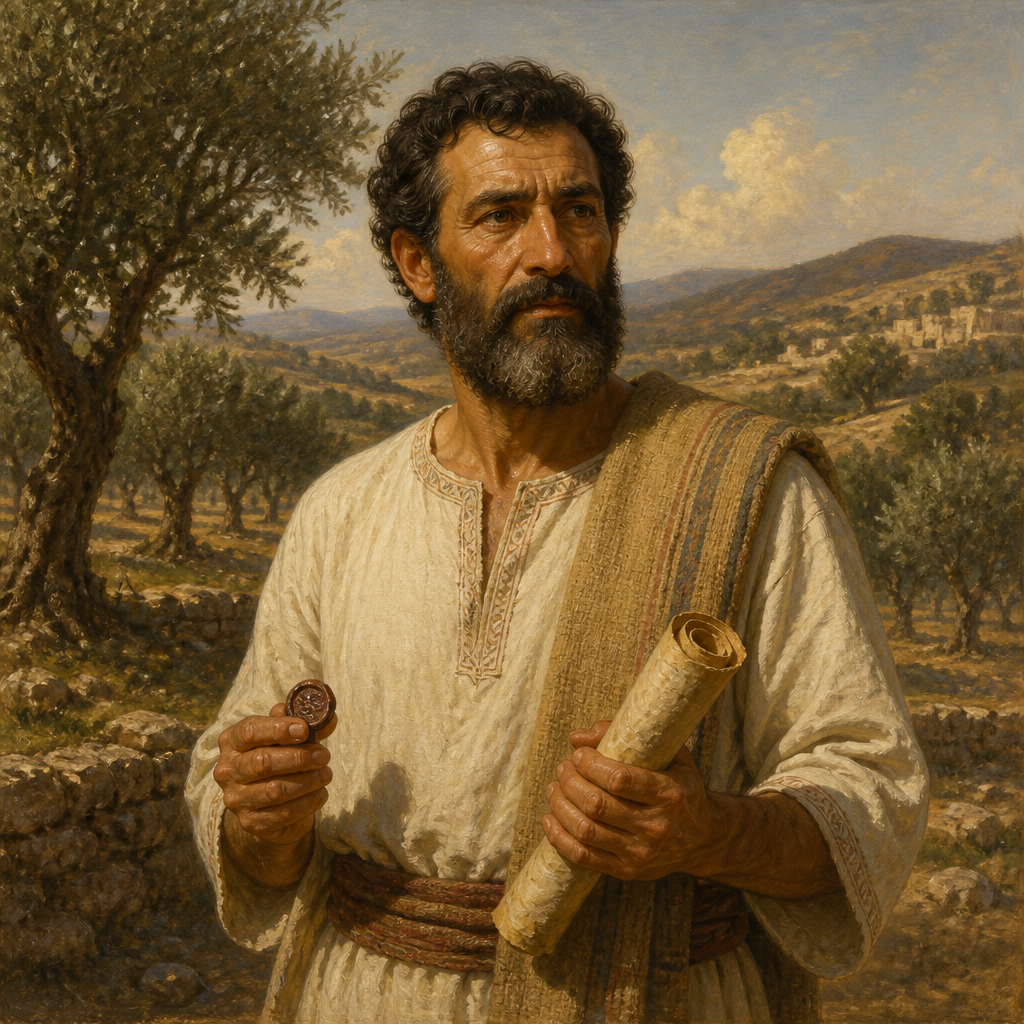 EleadahThis page
Children
 Tahath, Son of EleadahSon1 Chronicles 7:20Stated
Connected Figures
Family
Father · 1 Chronicles 7:20
A descendant of Ephraim recorded in the genealogies of 1 Chronicles, identified as the son of Bered and the father of Eleadah.
Son · 1 Chronicles 7:20
A descendant of Ephraim and a tribal figure during the Egypt and Wilderness period, recorded as the son of Eleadah and the father of Zabad.
Categories
Mentions by Book
- 1 Chronicles1
Scripture References
All 1 indexed verse, in canonical order, from the Berean Standard Bible.
1 Chronicles · 1
- 1 Chronicles 7:20
The descendants of Ephraim: Shuthelah, Bered his son, Tahath his son, Eleadah his son, Tahath his son,