Abiram, Reubenite Rebel in the Wilderness
A leader of the tribe of Reuben who, along with Dathan and Korah, instigated a major rebellion against the leadership of Moses and Aaron in the wilderness.
Abiram was a prominent member of the tribe of Reuben during the Israelite wandering in the wilderness. He was the son of Eliab and the brother of Dathan and Nemuel. Abiram is best known for his participation in one of the most significant challenges to Moses’ authority documented in the Pentateuch. Alongside his brother Dathan and a Levite named Korah, Abiram led a faction of two hundred and fifty prominent Israelite men in a coordinated insurrection against the hierarchical structure established by God through Moses and Aaron.
This defiance was not merely a personal grievance but a political and spiritual challenge to the exclusive priesthood of Aaron and the supreme leadership of Moses. Abiram’s role is characterized by a specific refusal to obey Moses’ summons, expressing deep-seated resentment toward the conditions of the Exodus and the lack of fulfillment of the promises regarding the 'land flowing with milk and honey.' The narrative of Abiram serves as a stark warning in the biblical text regarding the consequences of civil and religious rebellion within the community of Israel.
Background and Family
Abiram was a member of the tribe of Reuben, the firstborn son of Jacob. According to the genealogical records in Numbers 26:9, he was the son of Eliab. His brothers were Dathan and Nemuel. The tribe of Reuben, due to its patriarchal seniority, may have felt a sense of entitlement to leadership that had been bypassed in favor of the tribe of Levi (for the priesthood) and the leadership of Moses (from the tribe of Levi). Abiram is described as one of the "chosen by the congregation," indicating that he was a man of high standing and influence within his tribe before the rebellion took place.
Major Life Events
The Rebellion of Korah, Dathan, and Abiram
The central event of Abiram's life is recorded in Numbers 16. The rebellion was a multi-faceted conspiracy. While Korah, a Levite, focused on the religious exclusivity of the priesthood, Abiram and his brother Dathan appear to have focused on the civil and political leadership of Moses.
When Moses summoned Dathan and Abiram to appear before him to address their grievances, they issued a formal and defiant refusal: "We will not come!" (Numbers 16:12). Their rhetoric was particularly sharp; they accused Moses of bringing the people out of a "land flowing with milk and honey" (referring ironically to Egypt) only to kill them in the wilderness. They further accused him of acting as a prince over them and failing to deliver the promised inheritance of fields and vineyards.
Divine Judgment
Moses responded by appealing to God to demonstrate who was truly chosen. He warned the congregation to move away from the tents of Korah, Dathan, and Abiram to avoid being swept away by the coming judgment. Dathan and Abiram, showing no signs of repentance, stood at the entrances of their tents with their wives, children, and infants (Numbers 16:27).
As Moses finished speaking a prophecy that the ground would open—a "new thing" created by the LORD—the earth split apart. The biblical text in Numbers 16:31-33 and Deuteronomy 11:6 records that the earth swallowed Abiram, his household, and all their possessions. They descended alive into Sheol, and the earth closed over them, eliminating their presence from the assembly of Israel.
Relationship to Other Biblical Figures
Abiram’s identity is inextricably linked to his brother Dathan. In almost every mention, the two are paired together as a unit of rebellion. He was also a contemporary and co-conspirator of Korah the Levite, though they represented different tribal interests. His relationship with Moses was one of pure antagonism; Abiram viewed Moses not as a divinely appointed deliverer but as a failed leader who had usurped authority. The biblical record also mentions his brother Nemuel, though Nemuel is not recorded as having participated in the rebellion, suggesting a split within the family of Eliab regarding loyalty to the Mosaic covenant.
Spiritual Significance
In the broader biblical canon, Abiram is cited as a primary example of the dangers of insolence and the rejection of divinely appointed order. His story is recounted in Deuteronomy 11:6 and Psalm 106:17 as a historical reminder of God’s holiness and the gravity of schism.
The earth opened up and swallowed Dathan; it covered the assembly of Abiram. (Psalm 106:17)
Theological reflections on Abiram often focus on the "encroachment" upon holy offices and the communal impact of sin. Because Abiram was a leader, his rebellion put his entire household and his followers at risk. The judgment he faced is presented as a definitive vindication of Moses’ authority and a warning to future generations of Israel that God's chosen structure for the community could not be challenged by human ambition or tribal jealousy.
Spiritual Significance
Abiram represents the archetype of political and tribal rebellion within the covenant community. Unlike Korah, who challenged the priestly rites, Abiram’s grievances were largely grounded in the material and logistical failures he perceived in the wilderness journey, reflecting a heart that longed for the perceived security of Egypt over the difficult path to the Promised Land. His judgment serves as a foundational lesson in the Torah regarding the sanctity of God's delegated authority.
The inclusion of Abiram’s name in later scriptures like the Psalms reinforces his status as a cautionary figure. He serves as a reminder that collective identity—even being 'chosen by the congregation'—does not exempt an individual from the requirement of submission to God's specific commands. The total destruction of his household highlights the ancient Near Eastern concept of corporate responsibility and the devastating reach of a leader's apostasy.
Frequently Asked Questions
What was Abiram's primary complaint against Moses?
Abiram and his brother Dathan accused Moses of failing to bring them into a land of milk and honey, claiming he had instead brought them into the wilderness to die and was trying to rule over them as a prince.
To which tribe did Abiram belong?
Abiram was from the tribe of Reuben, the firstborn son of Jacob.
How did Abiram die according to the Bible?
According to Numbers 16, the ground opened up and swallowed Abiram, his family, and his possessions alive, after which the earth closed over them.
Was Abiram alone in his rebellion?
No, he conspired with his brother Dathan, a Levite named Korah, and 250 other prominent Israelite leaders.
Does the Bible mention any of Abiram's siblings?
Yes, the Bible identifies Dathan and Nemuel as his brothers, all of whom were sons of Eliab.
Connected Figures
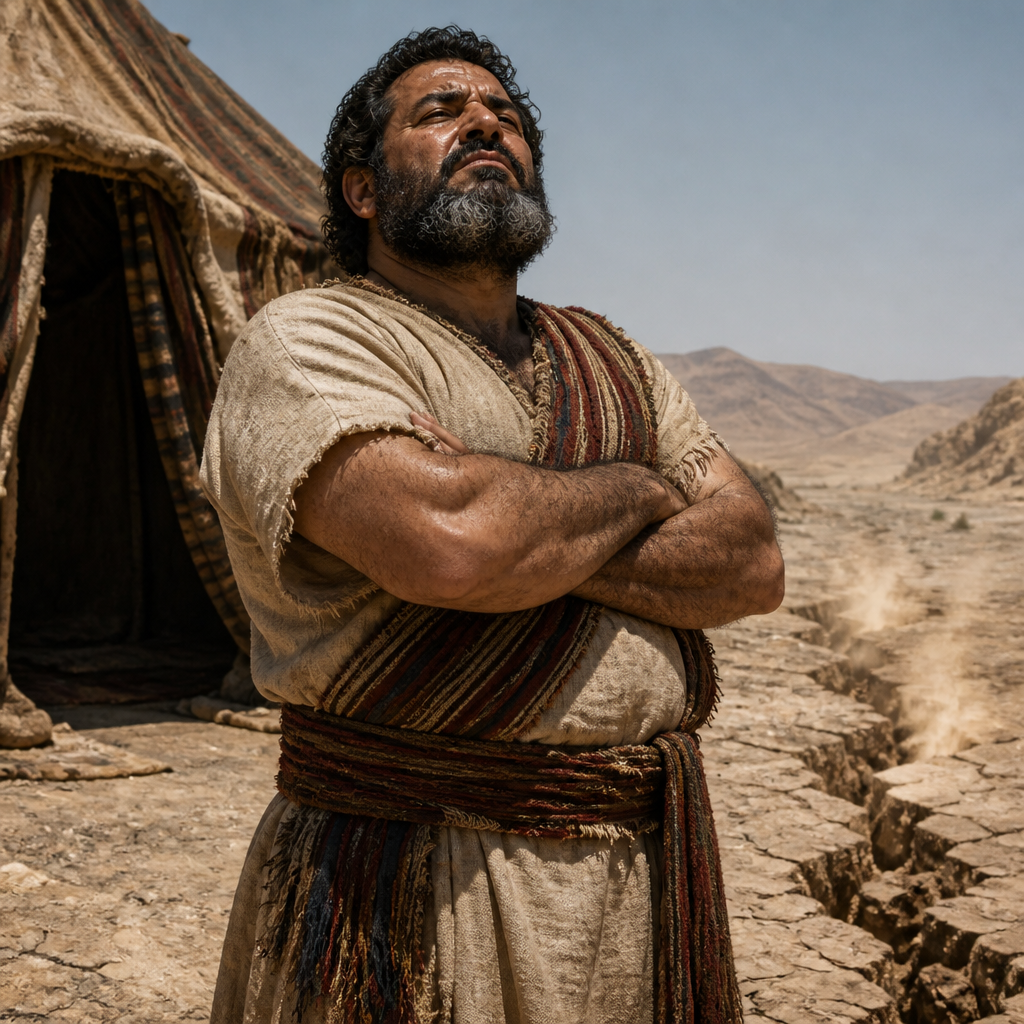
Dathan
Brother and co-conspirator
Eliab
Father

Moses
Leader he rebelled against
Korah
Co-conspirator from the tribe of Levi
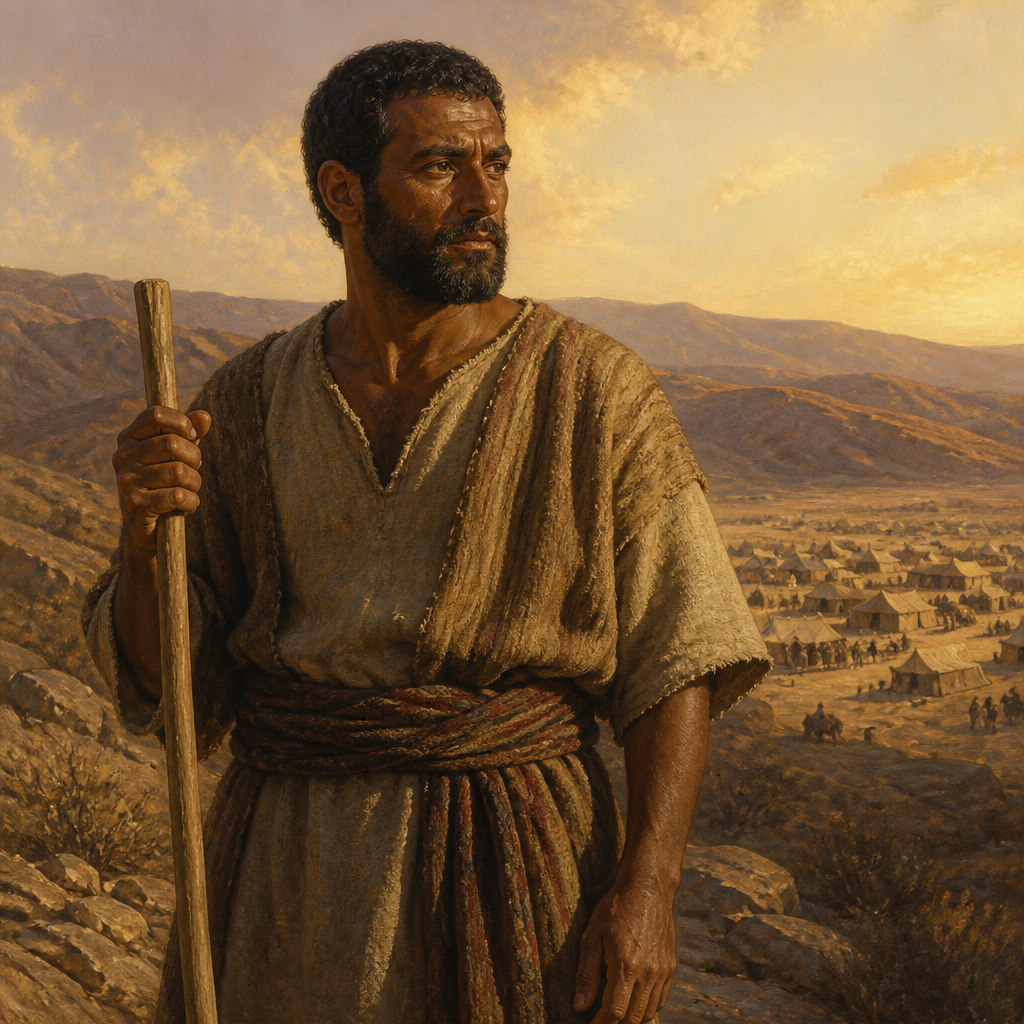
Nemuel
Brother
Categories
Mentions by Book
- Numbers6
- Deuteronomy1
- Psalms1
Family & Relationships
Sibling
Numbers 16:1
Sibling
Numbers 16:1
Parent
Eliab, Father of Dathan and Abiram
Numbers 16:1
Sibling
Numbers 16:1
Sibling
Numbers 26:9
Others Named Abiram
Abiram, Son of Hiel1 Kings 16:34
The firstborn son of Hiel the Bethelite, whose death occurred during the reconstruction of Jericho's foundations in fulfillment of a curse by Joshua.