Ulam, descendant of Manasseh
Ulam was a descendant of the patriarch Manasseh through the lineage of Gilead, recorded in the genealogies of 1 Chronicles.
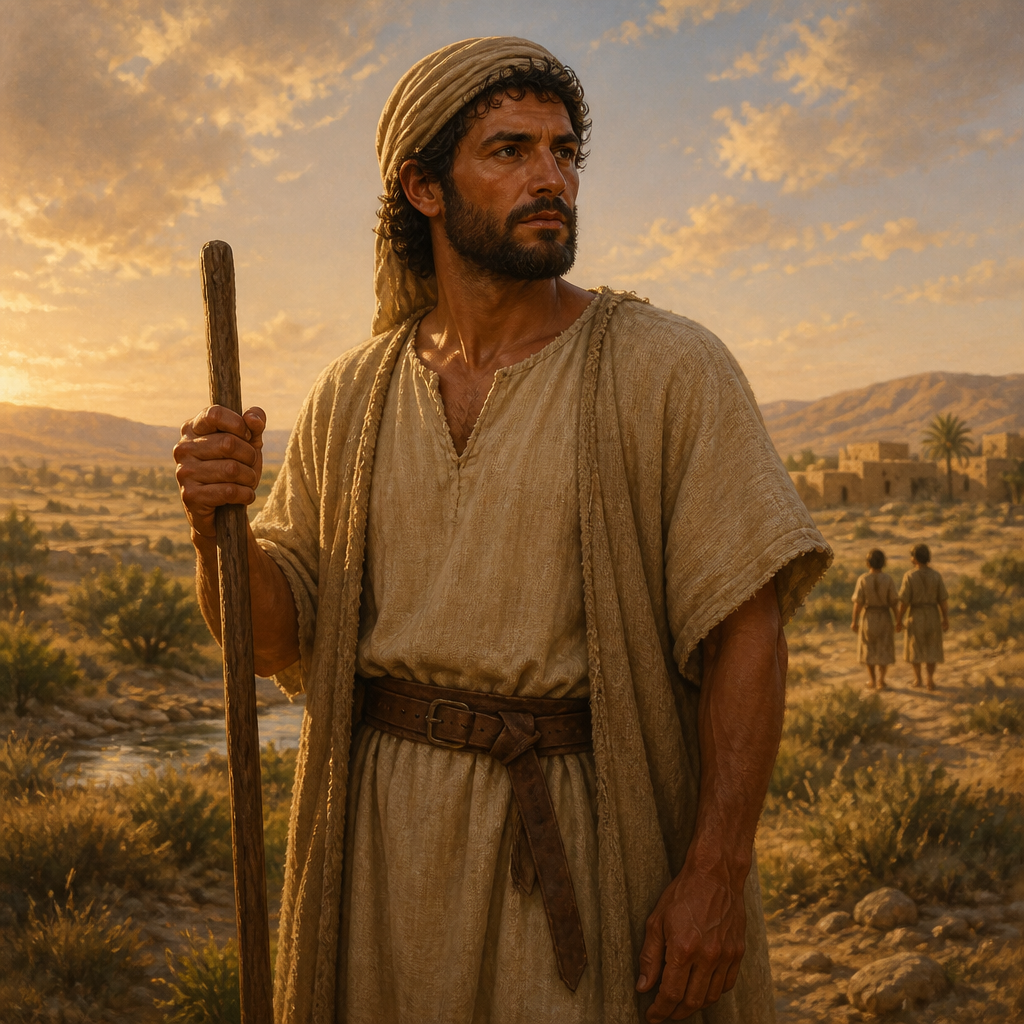
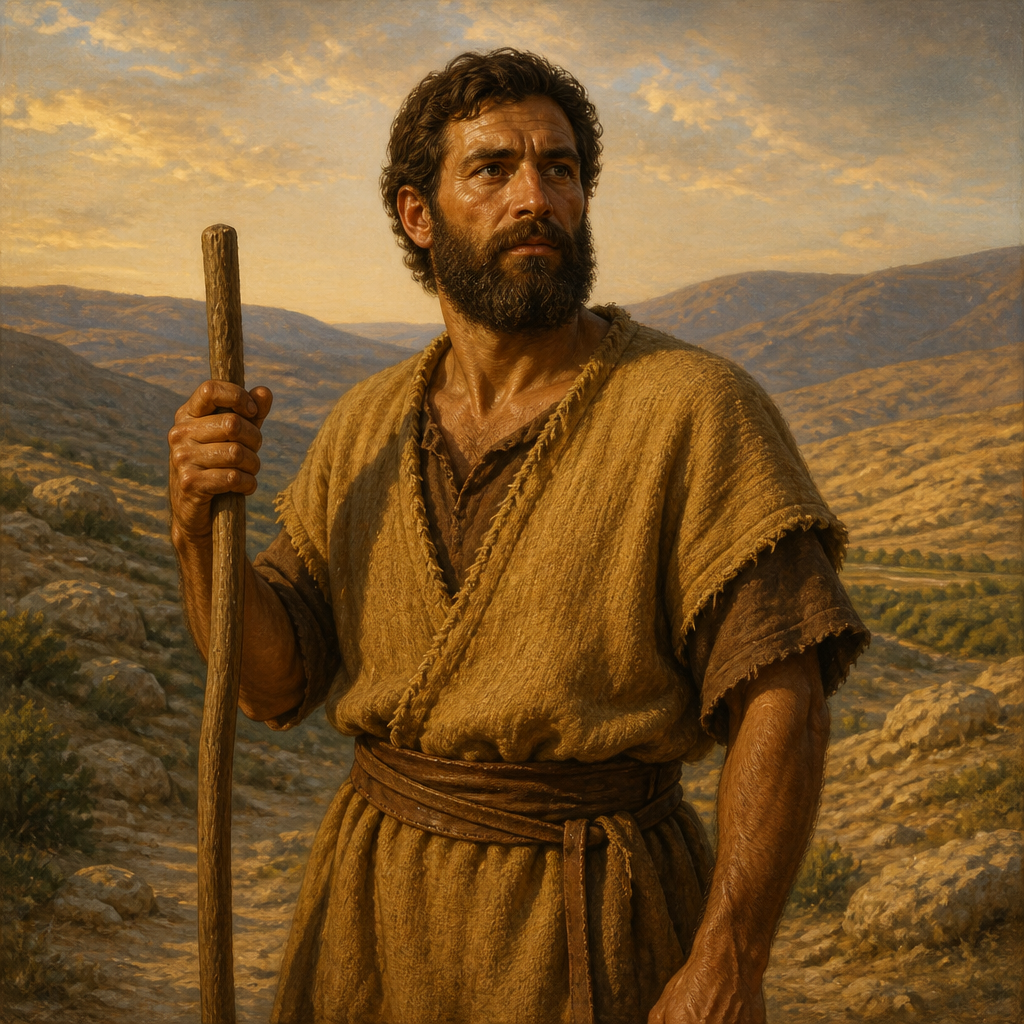
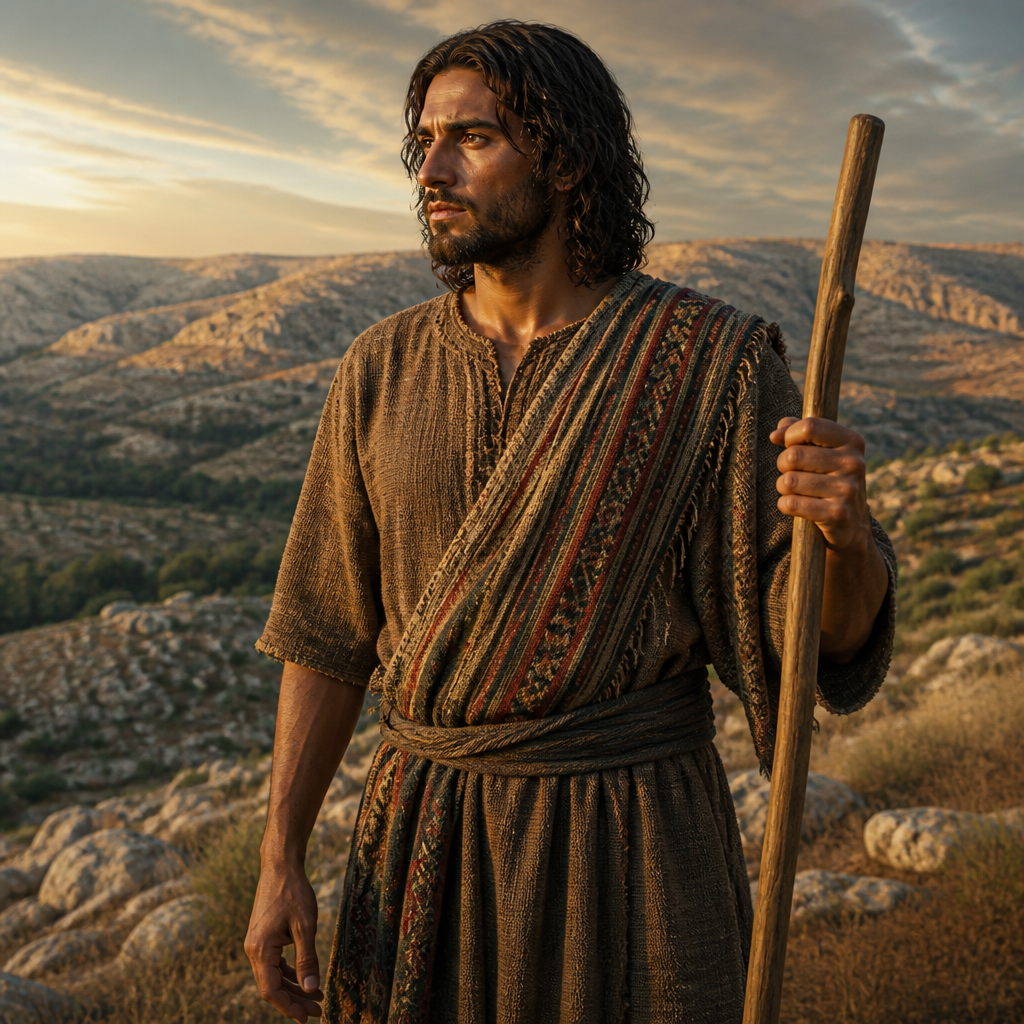
Ulam was a member of the Tribe of Manasseh who lived during the era of the Divided Monarchy. His lineage is preserved in the genealogical records of the Chronicler, which were compiled to establish the ancestral identity of the Hebrew people following their return from the Babylonian exile. Ulam’s position within the family of Gilead highlights his status within one of the most prominent clans of the Transjordan region.
Historically, Ulam represents the continuation of the Manassite line during a period of significant tribal shift. While his individual biographical details are sparse in the biblical text, his inclusion in the record serves to validate the legal and territorial claims of his descendants. He is specifically identified as the son of Sheresh and the father of Bedan.
Background and Family
Ulam emerges within the complex genealogical framework of the Tribe of Manasseh, specifically the branch associated with Machir and Gilead. According to 1 Chronicles 7:16, Ulam was the son of Sheresh. His mother is not named, though the text notes that his father, Sheresh, was the son of Maacah (the wife of Machir) and Peresh’s brother. This placement firmly roots Ulam in the aristocratic lineage of the Gileadites, a group known for their martial prowess and their settlement in the rugged territories east of the Jordan River.
Ulam had one brother named Rakem (or Rekem). The family structure reflects the typical clan-based organization of the Divided Monarchy era, where heritage was the primary marker of social and religious standing.
Major Life Events
The biblical record does not preserve specific narrative events, speeches, or military actions performed by Ulam. Instead, his life is summarized through his genealogy. The most significant recorded act in his life is the fathering of his son, Bedan (1 Chronicles 7:17). In the context of the Chronicler's work, the mention of a son is a testament to the preservation of the family line and the fulfillment of the covenantal blessing of fruitfulness.
Because he lived during the period of the Divided Monarchy, Ulam would have been part of the Northern Kingdom of Israel. This was a time characterized by intermittent conflict with the Arameans and the eventual rise of the Assyrian threat, though Ulam’s specific role in these geopolitical shifts remains unstated.
Relationship to Other Biblical Figures
Ulam’s primary relationship is to his grandfather, Machir, and his great-grandfather, Manasseh. Through this connection, he is linked back to the patriarchal age and the son of Joseph. The text emphasizes this connection in 1 Chronicles 7:17, stating, "These were the sons of Gilead son of Machir, the son of Manasseh."
His son, Bedan, is a figure of some scholarly interest, as the name Bedan appears elsewhere in the Old Testament (notably in 1 Samuel 12:11) as a deliverer of Israel. While scholars debate if Ulam’s son is the same Bedan mentioned by Samuel, the genealogical record in Chronicles ensures that Ulam’s branch of the family is recognized as a legitimate part of the Gileadite heritage.
Spiritual Significance
The spiritual significance of Ulam lies in the biblical theme of remembrance. In the post-exilic community for whom 1 Chronicles was written, names like Ulam served as a bridge to a lost past. By documenting Ulam and his son Bedan, the text asserts that despite the failures of the Divided Monarchy and the trauma of the exile, God had preserved specific families within the tribe of Manasseh.
For the modern reader, Ulam represents the "silent majority" of the biblical narrative—those individuals who did not perform miracles or lead nations, but who faithfully maintained their family heritage and tribal identity, ensuring the continuity of the people of Israel across generations.
Spiritual Significance
Ulam’s inclusion in the Chronicles genealogy underscores the importance of tribal continuity and the preservation of the heritage of Manasseh. His lineage connects the early patriarchal promises to the reality of the Divided Monarchy, serving as a record of God's sustaining hand through the generations of the Gileadites.
Though a minor figure, Ulam serves as a genealogical link between his father Sheresh and his son Bedan. In the Hebrew tradition, such records were essential for determining land rights and maintaining the social fabric of the covenant community.
Frequently Asked Questions
Which tribe did Ulam belong to?
Ulam belonged to the Tribe of Manasseh, specifically the clan of Gilead.
Who was Ulam's father?
Ulam was the son of Sheresh, as recorded in 1 Chronicles 7:16.
Did Ulam have any children?
Yes, 1 Chronicles 7:17 identifies Ulam as the father of Bedan.
In which books of the Bible is Ulam mentioned?
Ulam is mentioned only in the book of 1 Chronicles, specifically in chapter 7.
What era of biblical history did Ulam live in?
Ulam lived during the era of the Divided Monarchy.
Connected Figures
Categories
Mentions by Book
- 1 Chronicles2
Family & Relationships
Others Named Ulam
Ulam, Descendant of Saul1 Chronicles 8:39
A Benjamite nobleman and descendant of King Saul known for his lineage of mighty archers during the Divided Monarchy.