Shimea, Son of Uzzah
Shimea was a Levite of the Merarite clan during the era of the Divided Monarchy, noted in the genealogical records of 1 Chronicles.
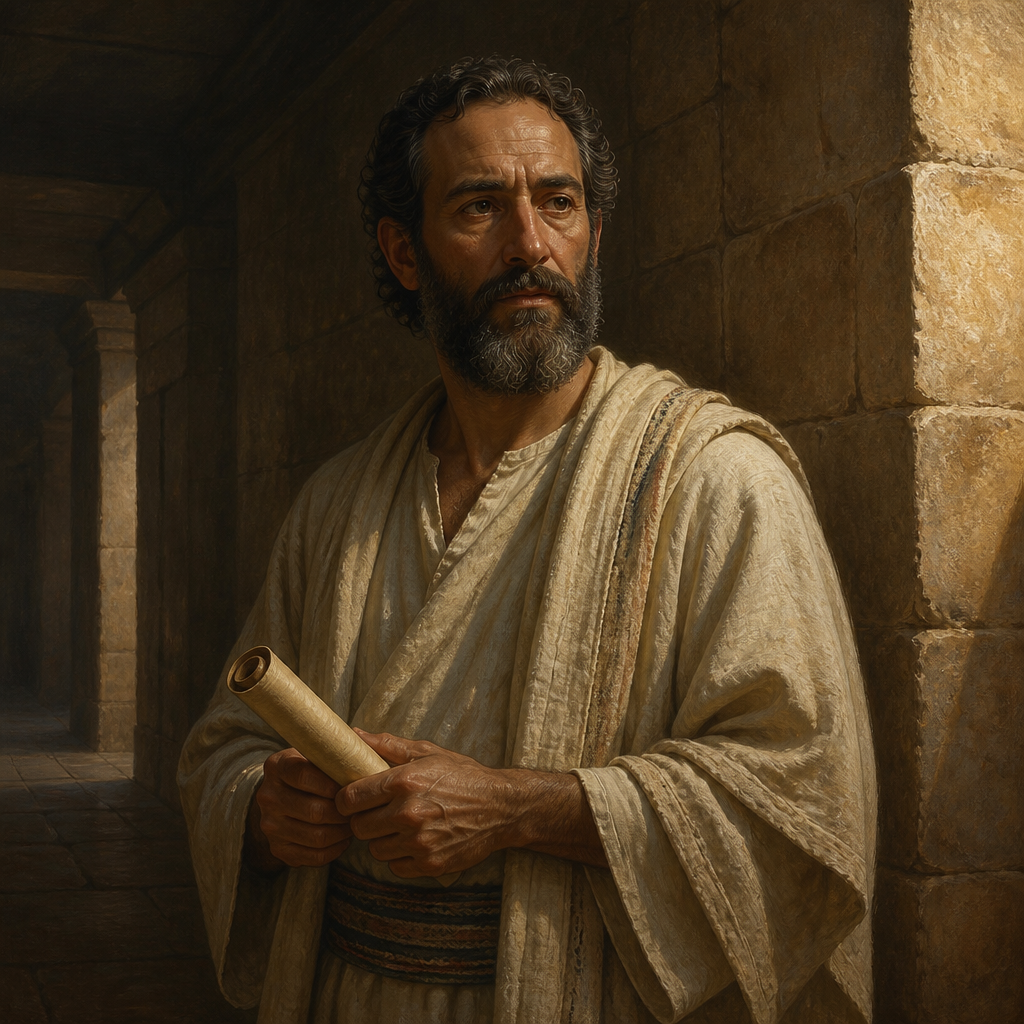
Shimea (son of Uzzah) was a member of the Tribe of Levi, specifically belonging to the line of Merari. His life is situated within the era of the Divided Monarchy, a period characterized by the separation of the northern and southern kingdoms of Israel. As a Levite, Shimea belonged to a class of people set apart for the service of God, though his specific duties are not detailed beyond his placement in the family lineage.
His existence is preserved in the genealogical records found in the book of 1 Chronicles. These records were crucial for the post-exilic community to establish ancestral rights and priestly legitimacy. Shimea’s place in this record confirms the continuity of the Merarite line through the turbulent centuries of the Israelite monarchy.
Background and Family
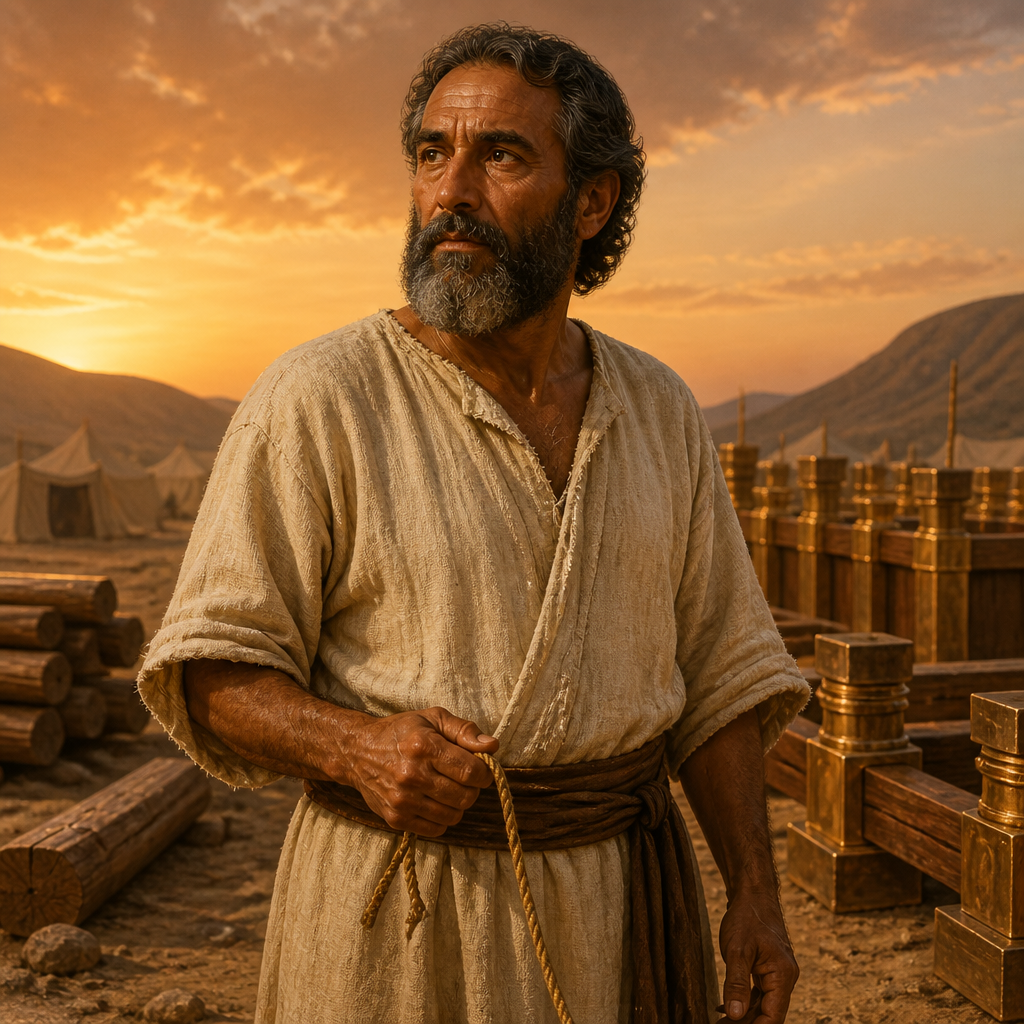
Shimea was a descendant of Merari, one of the three sons of Levi. The Merarites were traditionally responsible for the structural elements of the Tabernacle, such as its frames, crossbars, and pillars. By the time of the Divided Monarchy, the role of the Levites had shifted toward temple service and regional teaching under the Judean kings.
According to the genealogical data in 1 Chronicles 6:30, Shimea was the son of Uzzah. The lineage continues through Shimea to his own son, Haggiah. This specific line is distinct within the Merarite family, serving as a vital link in the genealogical chain that documented the survival and proliferation of the Levite families during the monarchic period.
Major Life Events
There are no specific biographical events or narrative deeds recorded for Shimea in the biblical text. His inclusion in the Holy Scriptures is restricted to his name appearing in a genealogical list. In the context of the Divided Monarchy, this suggests that Shimea lived a life of quiet service or lived through the political transitions of his era without rising to national prominence as a prophet or political leader.
Shimea his son, Haggiah his son, and Asaiah his son. (1 Chronicles 6:30)
This brief mention serves to validate the lineage of Asaiah, who is listed as a descendant further down the line, ensuring that the service of the Merarites remained anchored in a documented history of father-to-son succession.
Relationship to Other Biblical Figures
Shimea’s primary relationships are defined by his ancestry and his progeny. He is the son of Uzzah and the father of Haggiah. As a Merarite, he was related to the broader Levitical community, which included the families of Gershon and Kohath. While he shares a name with other figures in the Bible, he is distinct as a member of the Merarite branch living during the mid-to-late period of the Old Testament monarchy.
Spiritual Significance
The spiritual significance of Shimea lies in the preservation of his name. In Hebrew thought, being recorded in the genealogies of Israel was a sign of belonging to the covenant community of Yahweh. For the Levites, these records were a testament to God's faithfulness in maintaining the tribe set apart for His service. Shimea represents the "ordinary" Levite—one who may not have performed miraculous deeds or led armies, but whose existence was essential to the fulfillment of the Law and the maintenance of the sacred order in Israel.
Spiritual Significance
Shimea serves as a representative of the Levitical continuity during the Divided Monarchy. His presence in the Merarite genealogy underscores the importance of the Tribe of Levi in maintaining the religious structure of Israel, even when the nation was politically fractured. His inclusion in 1 Chronicles highlights the biblical theme that every individual in the covenant line, regardless of their lack of narrative fame, is significant in the eyes of God and necessary for the completion of the historical record.
Frequently Asked Questions
Which tribe did Shimea belong to?
Shimea belonged to the Tribe of Levi, specifically the clan of Merari.
Who was Shimea's father?
According to 1 Chronicles 6:30, Shimea was the son of Uzzah.
Who was Shimea's son?
Shimea was the father of Haggiah.
In which book of the Bible is this Shimea mentioned?
He is mentioned exclusively in the book of 1 Chronicles, specifically in chapter 6.
Connected Figures
Categories
Mentions by Book
- 1 Chronicles1
Family & Relationships
Child
1 Chronicles 6:30
Parent
Uzzah, Levite of the Divided Monarchy
1 Chronicles 6:29
Others Named Shimea
Shimea, Father of Asaph1 Chronicles 6:39
Shimea was a Gershonite Levite during the Divided Monarchy and a direct ancestor of Asaph, the renowned temple musician.