Shebaniah, Priest of the Divided Monarchy
A prominent Levite priest appointed by King David to blow the sacred trumpet during the historic transport of the Ark of the Covenant to Jerusalem.
Shebaniah was a consecrated priest during the transition from the United Monarchy under King Saul to the established Davidic reign. He is specifically identified in the liturgical records of the Divided Monarchy's historical accounts as one of the elite group of priests chosen for a monumental task in Israel's spiritual history: the relocation of the Ark of God from the house of Obed-edom to the City of David.
His role was not merely ceremonial but functional within the specific Levitical orders established by David. As a trumpeter, Shebaniah was part of a select group that provided the acoustic signal of God's presence and the joy of the people during the procession. Though his appearance in the biblical text is brief, his inclusion in the genealogical and vocational lists of 1 Chronicles highlights his status as a trusted official in the early Davidic religious administration.
Background and Family
Shebaniah appears in the biblical record within the context of the tribe of Levi, specifically identified as a priest (kohen). While the text of 1 Chronicles 15:24 does not provide a specific genealogy for this individual, his classification as a priest indicates he was a descendant of Aaron. He served during the era of King David, a period characterized by the formalization of Temple worship and the organization of the Levitical guilds. His name, Shebanyahū, translates to "Jehovah has grown" or "Prosperity of Yahweh," reflecting the religious devotion of the era.
Major Life Events
The singular recorded event in Shebaniah’s life is his participation in the transport of the Ark of the Covenant. After an initial failed attempt to move the Ark, King David realized the necessity of following the Mosaic Law, which required the Ark to be carried by Levites and accompanied by specific priestly rites. Shebaniah was selected as one of seven priests to blow the trumpets before the Ark.
Shebaniah, Joshaphat, Nethanel, Amasai, Zechariah, Benaiah, and Eliezer—the priests—were to blow the trumpets before the ark of God. (1 Chronicles 15:24)
This procession was a turning point for the nation, marking the establishment of Jerusalem as the religious center of the kingdom. Shebaniah’s role involved sounding the chatzotzrah (silver trumpets), which were distinct from the shofar (ram’s horn) and were traditionally used for summoning the congregation and announcing the festivals.
Relationship to Other Biblical Figures
Shebaniah worked in close concert with six other named priests: Joshaphat, Nethanel, Amasai, Zechariah, Benaiah, and Eliezer. Together, they formed a musical and liturgical cohort that preceded the Ark, acting as heralds of the Divine Presence. He also served under the direct administrative orders of King David and alongside the gatekeepers Obed-edom and Jehiah, who were tasked with guarding the Ark during its transit.
Spiritual Significance
In the context of the Old Testament, the blowing of trumpets by priests like Shebaniah served a dual purpose. First, it was a "memorial" before God (Numbers 10:10), asking for His favor upon the assembly. Second, it served as a public declaration of God's sovereignty. Shebaniah’s participation signifies the restoration of proper worship after a period of neglect during Saul's reign. His presence in the biblical text, though limited to a single verse, affirms the importance of individual obedience and the role of the priesthood in facilitating the encounter between God and His people.
Spiritual Significance
Shebaniah represents the order and holiness required in approaching the presence of God. As one of the seven trumpet-blowing priests, he participated in the definitive act of centralizing Israel's worship in Jerusalem. His role underscores the biblical theme that God is to be worshiped with specific, ordained excellence and that the joy of the community is led by a dedicated and consecrated leadership.
Theologically, Shebaniah's service is an example of the 'ministry of sound' in the Old Testament, where music and noise were not merely aesthetic but were essential components of the ritual recognition of Yahweh's kingship over Israel.
Frequently Asked Questions
What was Shebaniah's specific job during the procession of the Ark?
Shebaniah was one of seven priests appointed to blow the silver trumpets before the Ark of the Covenant as it was moved from the house of Obed-edom to Jerusalem.
In which book of the Bible is this Shebaniah mentioned?
This Shebaniah is mentioned exclusively in the book of 1 Chronicles, specifically in chapter 15, verse 24.
What era did this Shebaniah live in?
He lived during the transition to the Divided Monarchy era, specifically during the reign of King David (c. 1000 BC).
Was Shebaniah a Levite?
Yes, as a priest (kohen), he was a member of the tribe of Levi and a descendant of Aaron, as required by law for those performing duties related to the Ark.
What does the name Shebaniah mean?
The name Shebaniah (Shebanyahū) generally means 'Yahweh has brought growth' or 'Prosperity of Yahweh'.
Connected Figures
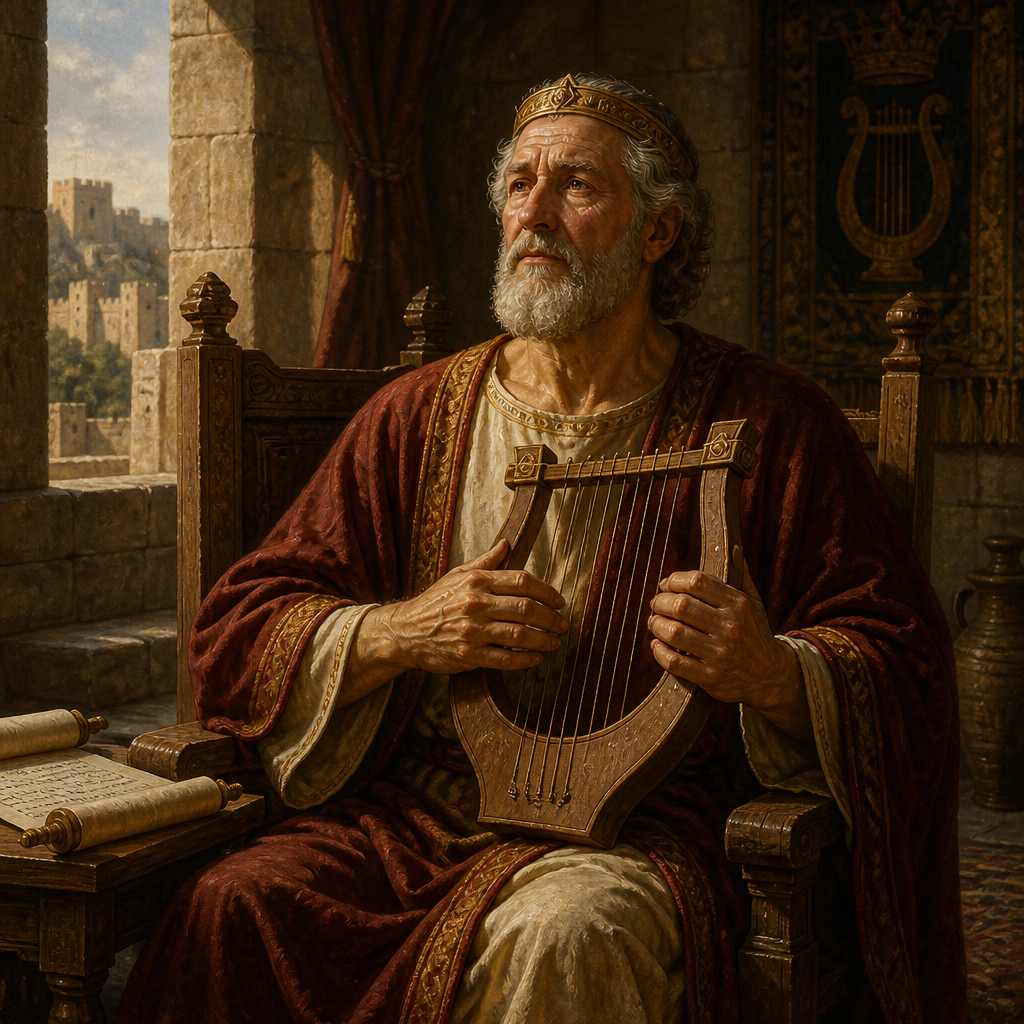
David
King who appointed him
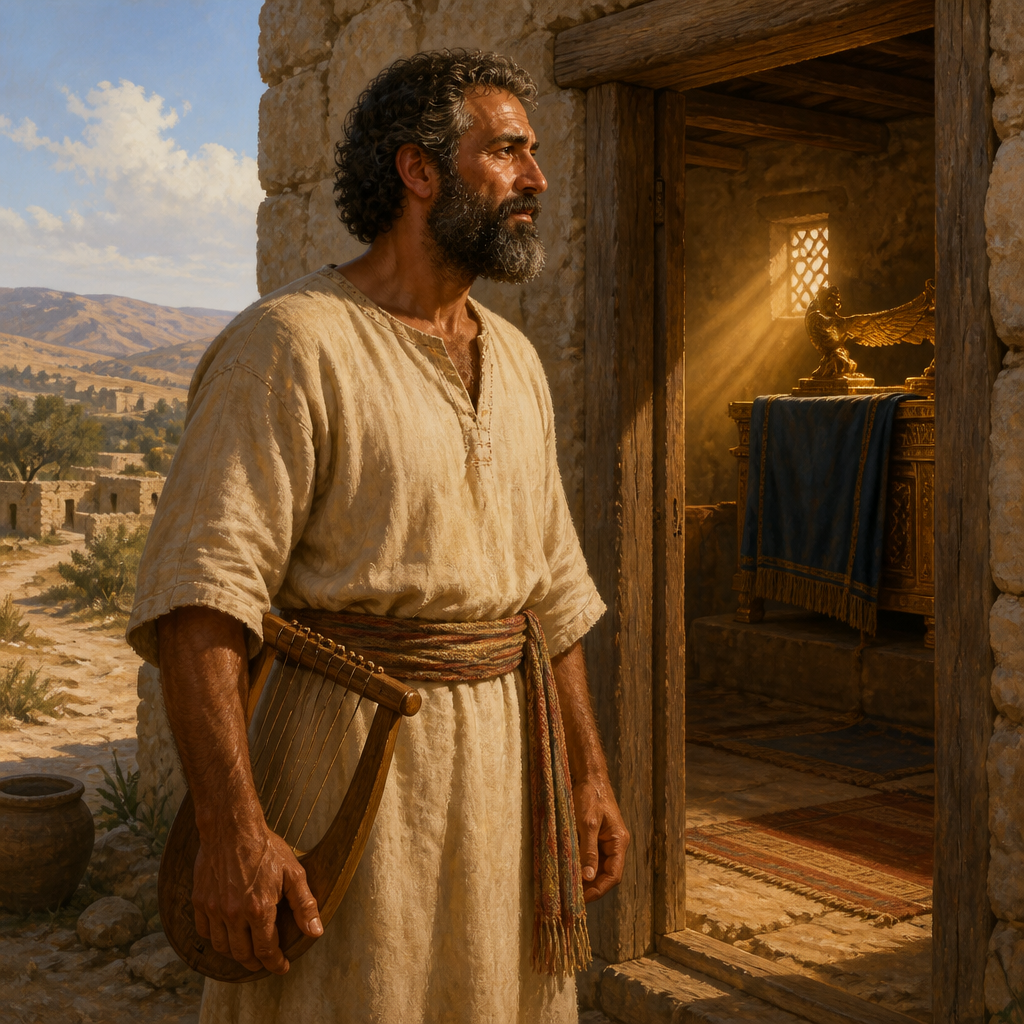
Obed-edom
Guardian of the Ark alongside his procession
Benaiah
Fellow priest and trumpeter
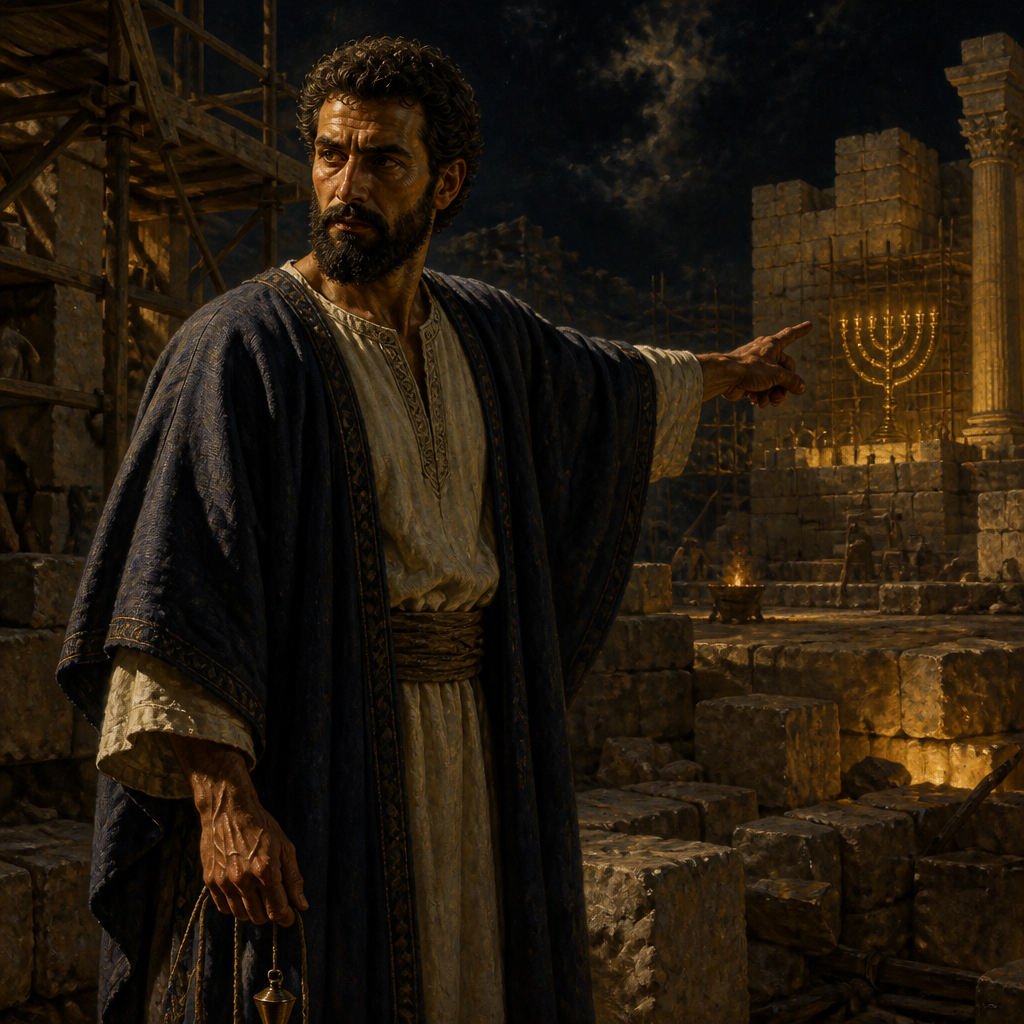
Zechariah
Fellow priest and trumpeter
Categories
Mentions by Book
- 1 Chronicles1
Others Named Shebaniah
Shebaniah, Levite of the RestorationNehemiah 9:4
A Levite leader in the post-exilic community who led the Israelites in corporate confession and signed the national covenant under Nehemiah.
Shebaniah, Signatory of the CovenantNehemiah 10:12
A prominent leader or head of a family who signed the binding covenant to follow the Law of Moses during the reforms of Nehemiah.
Shebaniah, Priest of the Post-Exilic ReturnNehemiah 10:4
A prominent priest who returned from the Babylonian exile and served as a representative head of his paternal house during the reconstruction of Jerusalem.