Peleth, Descendant of Judah
Peleth was a member of the tribe of Judah and a descendant of Jerahmeel through the line of Jonathan during the Divided Monarchy.
Peleth is a figure mentioned in the genealogical records of the tribe of Judah. He appears within the specific lineage of Jerahmeel, who was the firstborn son of Hezron and the grandson of Judah. His place in the biblical narrative is strictly genealogical, serving to document the preservation and expansion of the Jerahmeelite branch of the Southern Kingdom's primary tribe.
Historically situated during the era of the Divided Monarchy, Peleth's inclusion in the Chronicler’s records highlights the importance of tribal identity and hereditary land rights. Although the biblical text does not record his personal deeds, his name signifies the continuation of a specific Judean house that remained distinct within the broader community of Israel.
Background and Family
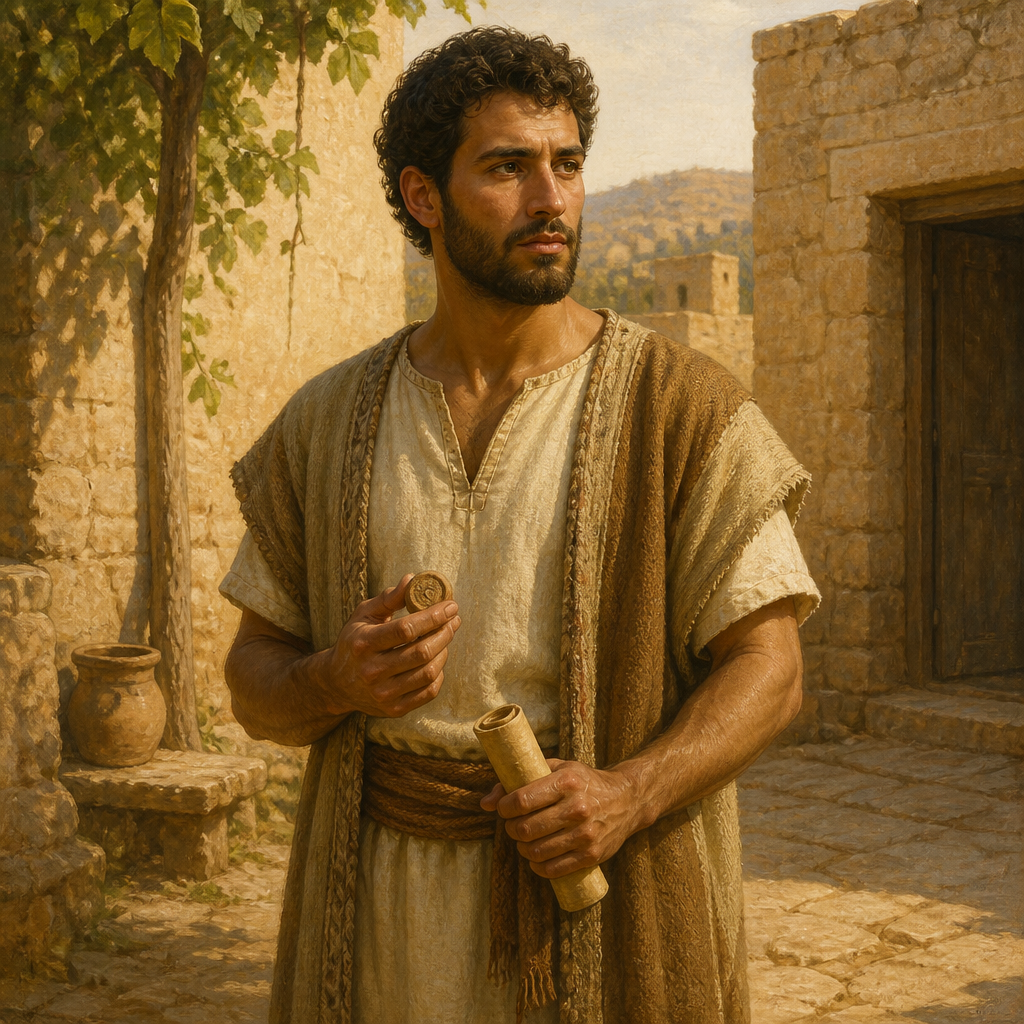
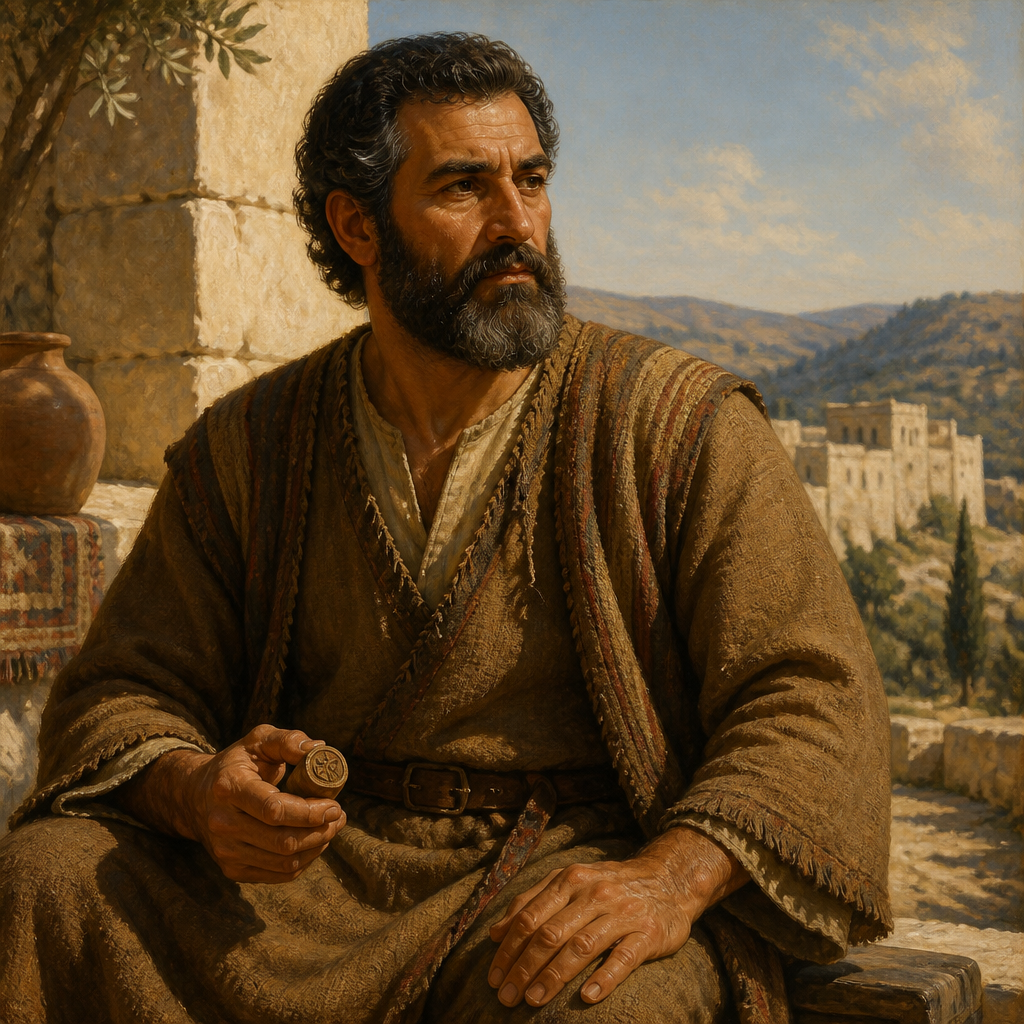
Peleth was the son of Jonathan and a grandson of Jada. His lineage is traced back to Jerahmeel, the eldest son of Hezron, making him a member of the tribe of Judah. The Jerahmeelites occupied the Negeb of Judah, a southern region that played a vital role in the defense and economy of the kingdom during the Divided Monarchy. Peleth shared his immediate household with his brother, Zaza.
According to the genealogical data in 1 Chronicles 2, Peleth’s father, Jonathan, was the son of Jada, who was the brother of Shammai. This specific branch of the family tree is meticulously preserved, likely to establish the legitimacy of the Jerahmeelite clans within the post-exilic community's understanding of their pre-exilic history.
Major Life Events
The biblical record for Peleth is contained entirely within a single verse: 1 Chronicles 2:33. Unlike the patriarchs or the kings of the Divided Monarchy, Peleth is not credited with specific military exploits, political appointments, or prophetic oracles. His primary "event" in the biblical sense is his birth and his role as a link in the generational chain of Judah.
Because he is listed alongside his brother Zaza, it is understood that he represented one of the final documented generations of this specific Jerahmeelite sub-branch. The text concludes the specific listing of Jonathan's line with these two brothers, stating, "These were the descendants of Jerahmeel" (1 Chronicles 2:33).
Relationship to Other Biblical Figures
Peleth’s most significant relationships are vertical and horizontal within his immediate family. As the son of Jonathan, he inherited the status of the Jerahmeelite line. His relationship to his brother Zaza is also noted, suggesting they may have both been heads of paternal houses (clans) within their tribe. His ancestry connects him to the broader Davidic context of Judah, though he belongs to a non-royal branch of the tribe.
Spiritual Significance
While Peleth is a minor figure, his inclusion in the Holy Scripture underscores the theological theme of God's providence over individual families. In the context of the Divided Monarchy, maintaining a record of names like Peleth served as a testament to God’s covenant with Judah. It ensured that even those who did not sit on the throne were remembered as part of the covenant people. His name, often associated with the concept of "swiftness" or "deliverance" in Hebrew etymology, serves as a permanent marker of a family that survived through the turbulent centuries of the Divided Kingdom.
Spiritual Significance
Peleth represents the meticulous preservation of the Judean tribal identity. In the Chronicler's perspective, every name recorded serves to validate the continuity of Israel’s heritage through the exile and into the restoration. His presence in the text confirms that the Jerahmeelite clan remained a recognized and distinct entity within Judah during the monarchic period.
Theologically, Peleth reminds the reader that the biblical narrative is not merely about great kings and prophets, but also about the 'common' members of the covenant community whose lives formed the fabric of the nation. His inclusion ensures the historical integrity of the tribal allotments and family successions required by Mosaic law.
Frequently Asked Questions
Which tribe did Peleth belong to?
Peleth belonged to the tribe of Judah, specifically the clan of the Jerahmeelites.
Who was Peleth's father?
Peleth was the son of Jonathan, who was the son of Jada.
Does Peleth have any recorded siblings?
Yes, Peleth had one recorded brother named Zaza.
Where is Peleth mentioned in the Bible?
Peleth is mentioned only once in the Bible, in 1 Chronicles 2:33.
What does the name Peleth mean?
The name is derived from a Hebrew root typically meaning 'swiftness' or 'liberation.'
Connected Figures
Categories
Mentions by Book
- 1 Chronicles1
Family & Relationships
Sibling
1 Chronicles 2:33
Parent
1 Chronicles 2:32
Sibling
1 Chronicles 2:33
Others Named Peleth
Peleth, Father of OnNumbers 16:1
Peleth was a Reubenite mentioned during the Egyptian Sojourn and Exodus as the father of On, one of the leaders in the rebellion against Moses and Aaron.