Hadlai
Who was Hadlai in the Bible?
Hadlai was an Ephraimite during the Divided Monarchy whose son, Amasa, was a prominent tribal leader that stood against the enslavement of Judean captives.
Hadlai was a member of the tribe of Ephraim who lived during the 8th century BC, a tumultuous era of the Divided Monarchy. He is specifically identified in the biblical record as the father of Amasa, one of the leading men of Ephraim who confronted the victorious Israelite army after a brutal conflict with Judah. While the biblical text provides a narrow window into his life, Hadlai is situated within a significant moment of moral and religious reform during the reign of King Pekah of Israel.
His legacy is preserved through the actions of his son, whose resistance to the mistreatment of fellow Israelites from the southern kingdom demonstrated a lingering respect for the Mosaic Law and the brotherhood of the tribes. Hadlai represents the generational lineage of influential families within the northern kingdom who maintained a degree of social and political standing in the capital of Samaria.
Background and Family
Hadlai appears in the genealogical and historical record of 2 Chronicles 28, a chapter primarily focused on the reign of King Ahaz of Judah and his conflicts with King Pekah of Israel. Hadlai is identified as an Ephraimite. The tribe of Ephraim was the dominant power in the Northern Kingdom of Israel (often referred to simply as 'Ephraim' in prophetic literature), suggesting that Hadlai belonged to a family of significant social or political status within the northern tribal structure.
His primary biblical significance is as the father of Amasa. In the ancient Near Eastern context, the mention of a father’s name in a list of leaders served to authenticate the individual's credentials and standing within the community. Hadlai's name, meaning "restful" or "idle" in Hebrew, is recorded only once, yet it serves to anchor his son Amasa in the history of the Divided Monarchy during the mid-8th century BC.
Major Life Events
While the biblical narrative does not record Hadlai’s personal actions, he is defined by the era in which he lived and the actions of his son. Hadlai lived through a period of intense fratricidal war between the Northern Kingdom (Israel) and the Southern Kingdom (Judah). During this time, the Northern Kingdom under King Pekah allied with Syria to attack Jerusalem. The resulting battle led to the deaths of 120,000 Judean soldiers and the capture of 200,000 women and children intended for slavery in Samaria.
Hadlai’s son, Amasa, was one of four "leaders of the Ephraimites" who met the returning army. Influenced by the prophecy of Oded, Amasa and his colleagues refused to allow the captives into the city, arguing that the North had already sinned enough against the Lord. This stand resulted in the captives being fed, clothed, and returned to Jericho. As the patriarch of Amasa's house, Hadlai is the root from which this specific line of Ephraimite leadership sprang.
Relationship to Other Biblical Figures
Hadlai’s most direct relationship is to his son, Amasa. The text groups Amasa with three other prominent leaders: Azariah son of Jehohanan, Berechiah son of Meshillemoth, and Jehizkiah son of Shallum. This grouping suggests that Hadlai’s family was part of an influential circle in Samaria that was capable of standing against the prevailing military and political winds of the day. Unlike many of his contemporaries in the Northern Kingdom who had completely abandoned the ways of Yahweh, Hadlai’s son showed a responsiveness to the words of a prophet, implying a family background where the fear of the Lord was not entirely extinguished.
Spiritual Significance
The mention of Hadlai, though brief, contributes to the broader biblical theme of individual and family identity within the covenant community. Even during the decline of the Northern Kingdom—which would fall to Assyria only a few decades later—individuals like Hadlai and his son Amasa are remembered for their roles in a moment of national repentance. Hadlai’s inclusion in the text ensures that the lineage of those who favored mercy over cruelty is preserved in the sacred history of Israel.
Hadlai's significance lies in his paternity of Amasa, a leader who played a crucial role in preventing the illegal enslavement of Judean captives. This event is one of the few recorded instances of the Northern Kingdom responding to prophetic rebuke and showing mercy to the Southern Kingdom during the Divided Monarchy.
By being named in 2 Chronicles, Hadlai is recognized as part of the remnant of influential families in Ephraim who were not entirely apostate. His presence in the text highlights the importance of lineage in documenting the political and spiritual landscape of Samaria before its eventual fall to the Assyrian Empire.
Frequently Asked Questions
Who was Hadlai's son?
Hadlai's son was Amasa, one of the four chief leaders of the Ephraimites in Samaria.
When did Hadlai live?
Hadlai lived during the Divided Monarchy, specifically during the mid-8th century BC during the reign of King Pekah of Israel and King Ahaz of Judah.
What tribe did Hadlai belong to?
Hadlai belonged to the tribe of Ephraim, the leading tribe of the Northern Kingdom of Israel.
Where is Hadlai mentioned in the Bible?
Hadlai is mentioned once in the Bible, in 2 Chronicles 28:12.
What does the name Hadlai mean?
The name Hadlai (חַדְלָ֑י) is derived from a Hebrew root meaning 'to cease' or 'to rest,' often translated as 'restful' or 'forbearing.'
Family & Relationships
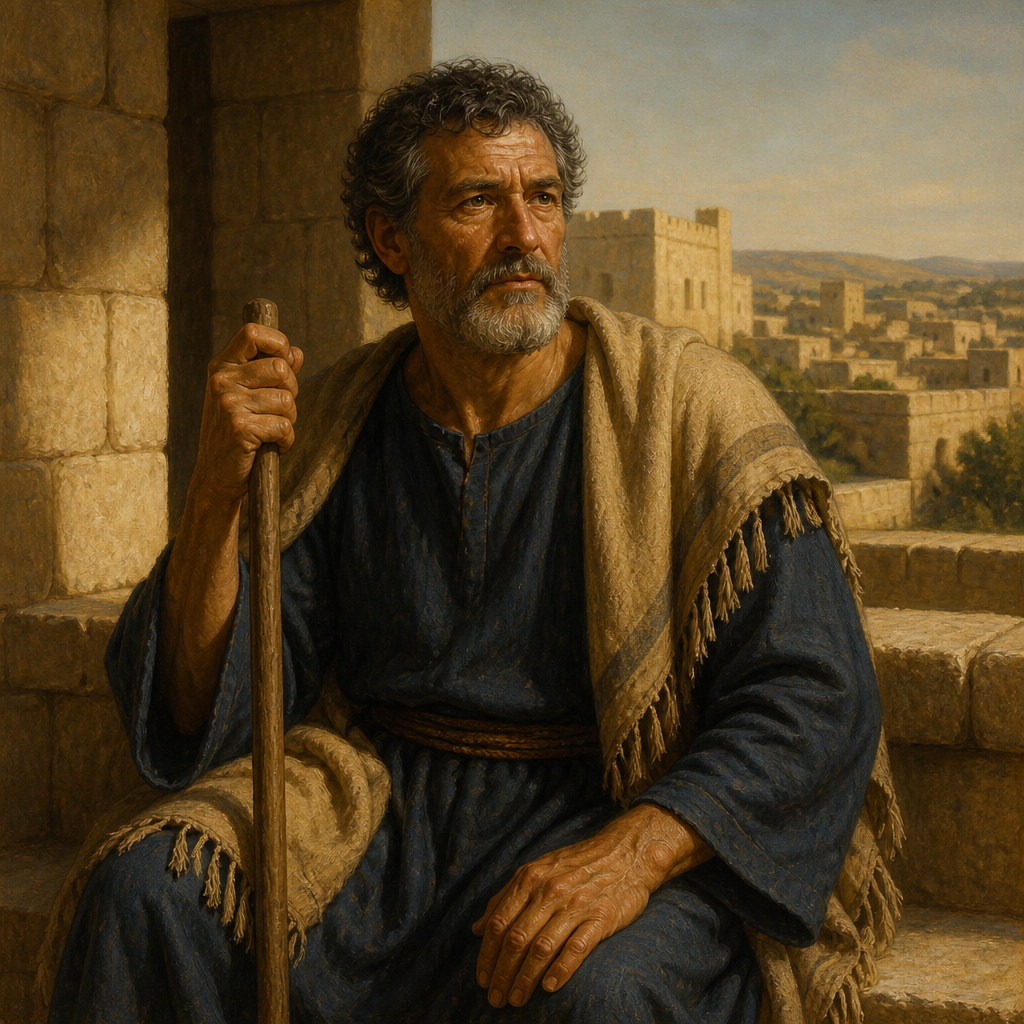 HadlaiThis page
Children
 Amasa, Leader of EphraimSon2 Chronicles 28:12Stated
Connected Figures
Family
Son · 2 Chronicles 28:12
An Ephraimite leader during the Divided Monarchy who opposed the enslavement of Judean prisoners during the reign of King Pekah.
Divided MonarchyFirst: 2 Chronicles 28:121 versesHead of the EphraimitesEphraim
Categories
Mentions by Book
- 2 Chronicles1
Scripture References
All 1 indexed verse, in canonical order, from the Berean Standard Bible.
2 Chronicles · 1
- 2 Chronicles 28:12
Then some of the leaders of the Ephraimites—Azariah son of Jehohanan, Berechiah son of Meshillemoth, Jehizkiah son of Shallum, and Amasa son of Hadlai—stood in opposition to those arriving from the war.