Eliab, Levite Musician of the Divided Monarchy
Eliab was a Levite musician appointed to play the harp during the transport of the Ark of the Covenant to Jerusalem and subsequent Tabernacle worship.
Eliab was a Levite of the second rank who served during the early years of the Divided Monarchy period in the liturgical reorganization under King David. He is specifically identified as a musician tasked with playing stringed instruments during one of the most significant religious events in Israel's history: the successful transfer of the Ark of the Covenant from the house of Obed-edom to the City of David.
His role was not merely decorative but functional within the established order of the sanctuary. As a member of the secondary rank of Levites, he worked under the direction of chief musicians like Asaph to ensure that the worship of Yahweh was conducted with the prescribed musical excellence and reverence required by the Law.
Background and Family
The biblical record for Eliab is concentrated within the liturgical registers of 1 Chronicles. While specific genealogical details such as his father or his specific Levite clan (Gershonite, Kohathite, or Merarite) are not explicitly named in the immediate context of 1 Chronicles 15, his inclusion in the list of Levite musicians confirms his status as a member of the priestly tribe. He is described as being among the "brothers next in rank" to the primary leaders, indicating a position of significant responsibility within the Tabernacle hierarchy.
Major Life Events
Eliab’s primary recorded contribution occurs during the festive and solemn procession of the Ark of the Covenant. According to 1 Chronicles 15:18, he was selected by the Levite leaders—at the command of David—to accompany the Ark. His specific assignment, as detailed in 1 Chronicles 15:20, was to play the harp according to Alamoth. In musical terminology, Alamoth is generally understood to refer to a high-pitched or soprano register, suggesting that Eliab was a skilled instrumentalist capable of performing complex liturgical arrangements.
Following the successful placement of the Ark in the tent David had pitched for it, Eliab was retained as a permanent member of the ministerial staff. 1 Chronicles 16:5 records that he served in the regular service of thanksgiving and praise before the Ark. He was part of a select group that played harps and lyres daily, while Asaph presided over the ensemble with cymbals.
Relationship to Other Biblical Figures
Eliab worked in close proximity to the most prominent religious and political figures of his day. He served under the leadership of Asaph the seer and Zechariah. He was a contemporary of King David, acting as a functional extension of the King's desire to institutionalize music within Hebrew worship. He also served alongside notable figures such as Obed-edom the gatekeeper and Benaiah the priest. His service reflects a collaborative effort among the Levites to maintain the spiritual rhythm of the nation.
Spiritual Significance
The presence of Eliab in the biblical text highlights the importance of "secondary" roles in the service of God. Though he was not the High Priest or a famous prophet, his dedication to his craft as a musician was essential for the communal worship of Israel. The inclusion of his name in the sacred chronicles serves as a testament to the biblical principle that every individual appointed to a task in the house of God—whether as a gatekeeper, a singer, or an instrumentalist—holds a place of honor and remembrance in the divine record. His life illustrates the transition of Israel's worship from the portable, irregular style of the wilderness to the structured, artistic, and permanent liturgical system that would eventually characterize the Temple of Solomon.
Spiritual Significance
Eliab represents the formalization of music as a central component of biblical worship. By specifically naming him and his instrument, the text emphasizes that God is honored by skill, order, and dedicated service. His role in playing 'according to Alamoth' suggests a level of professional specialization within the Levite tribe, showing that the arts were integrated into the religious life of the Divided Monarchy era.
Furthermore, Eliab’s inclusion in the list of those who served 'continually' before the Ark signifies the shift toward perpetual worship. He was part of the generation that helped establish the precedents for the 'service of song' which would influence the composition of the Psalms and the worship patterns of the later Temple periods.
Frequently Asked Questions
What instrument did Eliab play?
Eliab played the harp (specifically referred to in the context of playing 'according to Alamoth').
Which tribe did Eliab belong to?
Eliab belonged to the tribe of Levi, as he was among the brothers of the Levite leaders appointed for the Ark's procession.
Who was Eliab's supervisor?
He served under the direction of Asaph, who was the chief musician appointed by David.
In which book of the Bible is this Eliab mentioned?
He is mentioned exclusively in the book of 1 Chronicles, chapters 15 and 16.
What was the specific musical style Eliab performed?
The text notes he played 'according to Alamoth,' which likely refers to a high-pitched or soprano musical range.
Connected Figures
Asaph
Chief Musician and Supervisor
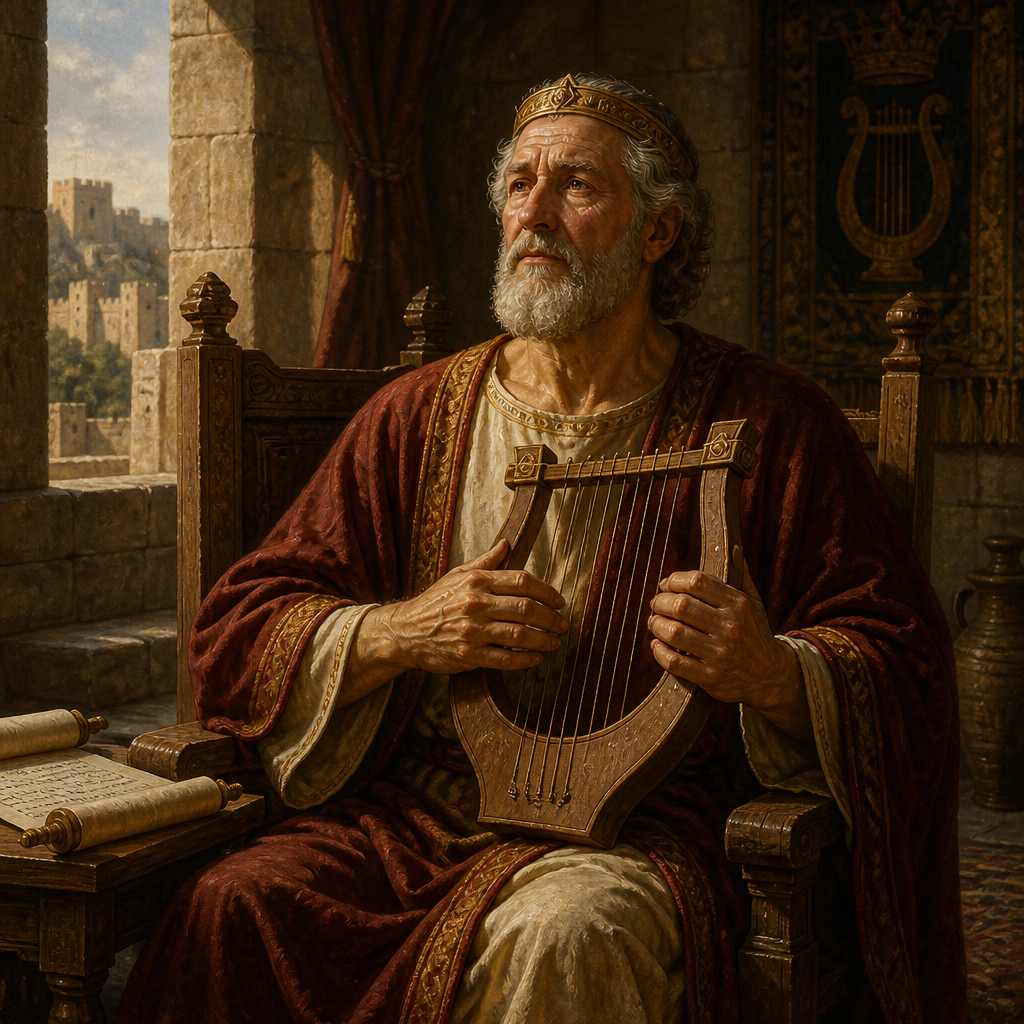
David
King who appointed him
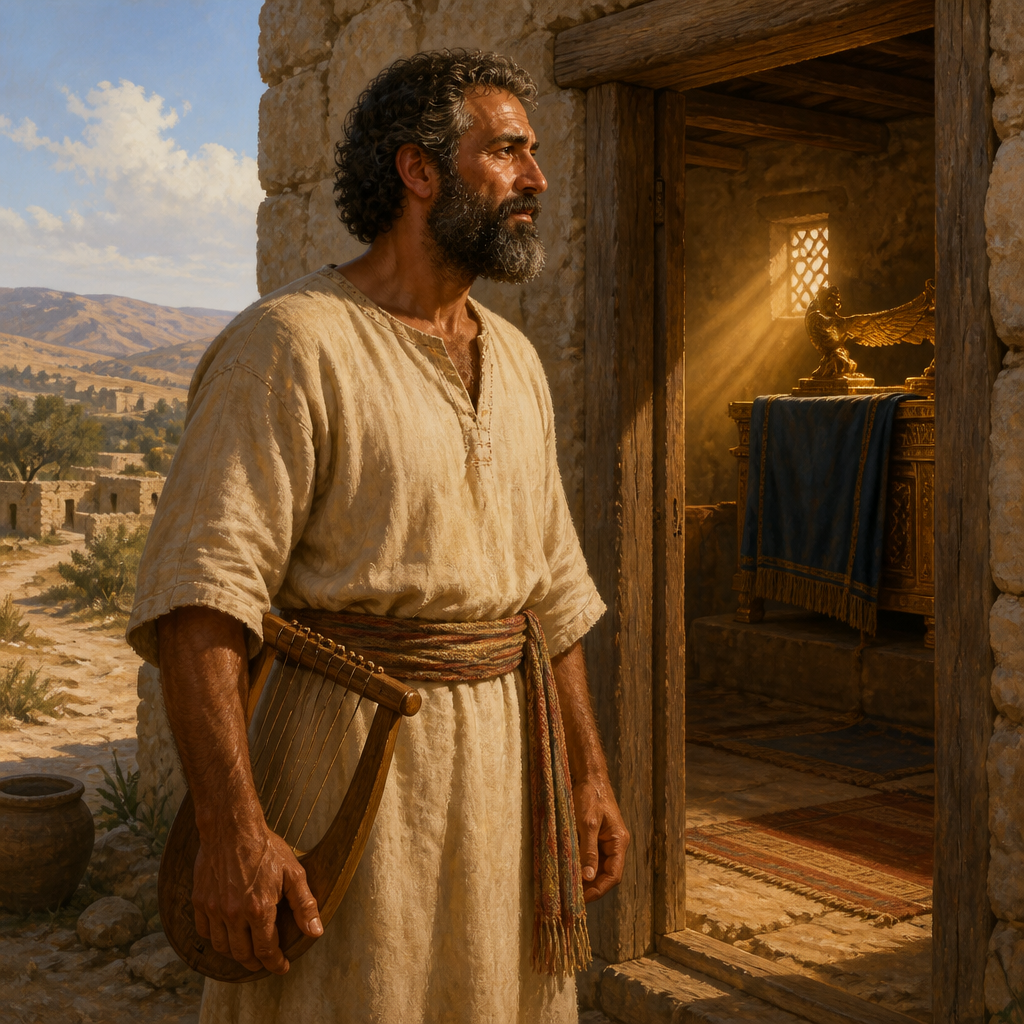
Obed-edom
Fellow Levite and Gatekeeper
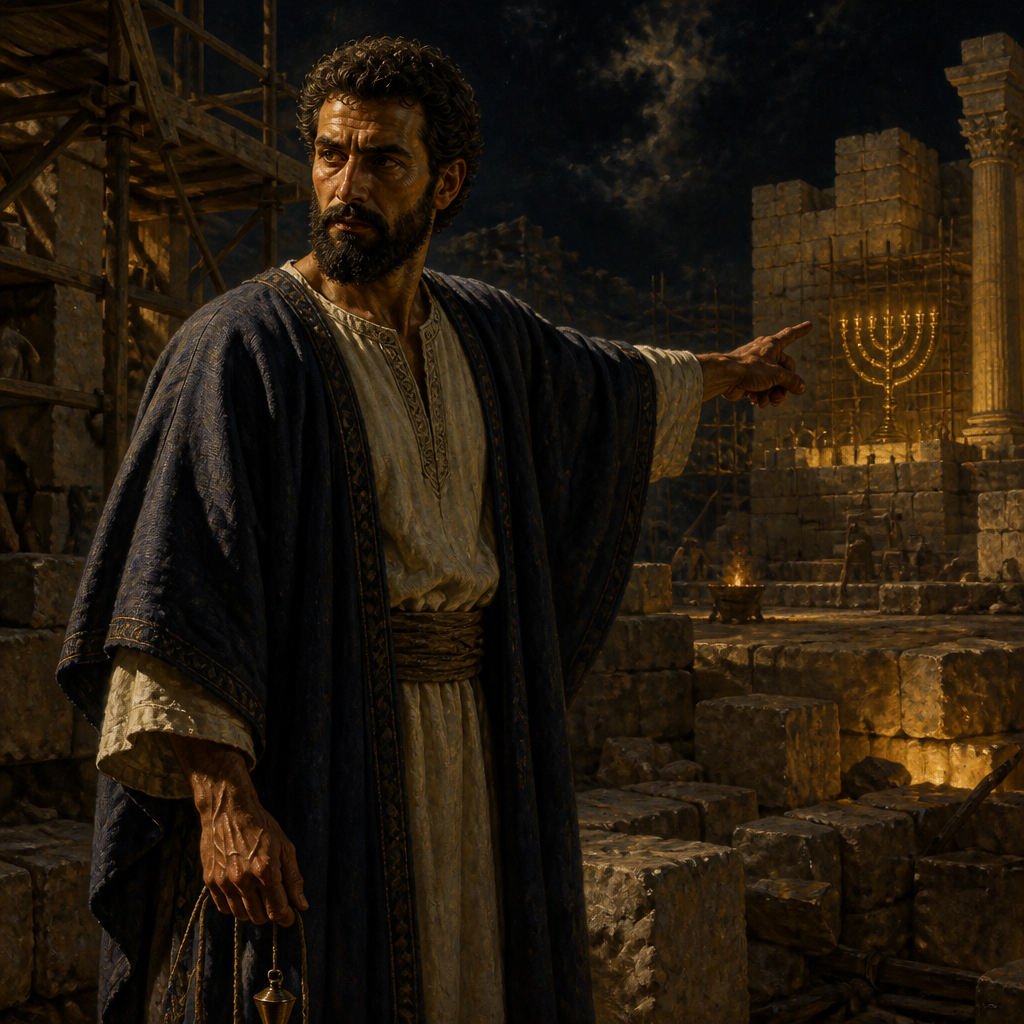
Zechariah
Levite colleague of the second rank
Categories
Mentions by Book
- 1 Chronicles3
Others Named Eliab
Eliab, Brother of David1 Samuel 16:6
Eliab was the firstborn son of Jesse of Bethlehem and the eldest brother of King David, known for his imposing stature and service in King Saul's army.
Eliab, Leader of ZebulunNumbers 1:9
Eliab son of Helon was the tribal leader and military commander of the tribe of Zebulun during the Israelites' wilderness wanderings following the Exodus from Egypt.
Eliab, Gadite Warrior of the Divided Monarchy1 Chronicles 12:9
Eliab was a high-ranking Gadite warrior who joined David’s forces during the transition toward the Divided Monarchy era.
Eliab, Father of Dathan and AbiramNumbers 16:1
Eliab was a Reubenite whose sons, Dathan and Abiram, led a famous rebellion against the leadership of Moses and Aaron in the wilderness.