Eleasah, Descendant of Saul
A Benjamite descendant of King Saul who preserved the royal lineage during the Divided Monarchy through his three sons Ulam, Jeush, and Eliphelet.
Eleasah was a member of the Tribe of Benjamin and a direct descendant of Israel's first king, Saul. He appears in the genealogical records of 1 Chronicles, specifically within the lineage that traces the house of Saul through Jonathan and Mephibosheth (referred to as Merib-baal in the text). His life is situated within the period of the Divided Monarchy, during which the northern and southern kingdoms operated independently.
While the biblical record provides no narrative account of his personal deeds, Eleasah is significant as a link in the post-Saulic royal genealogy. His inclusion in the Chronicler’s records emphasizes the survival and continuity of Saul’s line long after the throne had passed to the Davidic dynasty. As a father of three sons—Ulam, Jeush, and Eliphelet—he contributed to a branch of the family noted for its military prowess and numerous progeny.
Background and Family
Eleasah lived during the era of the Divided Monarchy, a time when the tribal identities of Israel were of paramount importance for land inheritance and social standing. According to the genealogical records in 1 Chronicles 8 and 9, Eleasah was the son of Binea. Within the specific structure of the Benjaminite lineage, he is identified as a great-great-great-grandson of Micah (the son of Mephibosheth), placing him roughly nine generations removed from King Saul.
The text notes that Eleasah had several siblings, including Raphah (also recorded as Rephaiah) and Azel. The repetition of this genealogy in 1 Chronicles 9:43 serves to anchor the Benjamite records as the exiles returned to Jerusalem, ensuring that the ancient royal families were properly identified and their ancestral claims verified.
Major Life Events
There are no specific "events" recorded for Eleasah in the sense of battles fought or prophecies delivered. His primary contribution to the biblical narrative is biological and structural. The record focuses on his role as a progenitor. He is credited with fathering three sons: Ulam, Jeush, and Eliphelet.
Of these, his son Ulam is singled out in the subsequent verses for being the father of "mighty men of valor, archers," a phrase indicating that Eleasah’s immediate descendants maintained a high social and military status within the tribe of Benjamin. The survival of this specific branch of Saul's tree suggests that despite the political shift to the house of David, the descendants of Saul remained a respected and functional part of the Judean social fabric during the Divided Monarchy.
Relationship to Other Biblical Figures
Eleasah’s most significant relationship is his ancestral tie to King Saul. By the time Eleasah lived, the kingdom had split, and the house of Saul had long been removed from the seat of power. However, his lineage through Jonathan shows that he descended from the line of the "covenant friendship" between David and Jonathan.
He is also closely linked to his brother Azel. While Eleasah’s line is traced through his three sons, the text devotes significant space to the six sons of his brother Azel. This suggests that the brothers were part of a large, influential family unit within the Benjamite territory near Jerusalem.
Spiritual Significance
The presence of Eleasah in the Holy Scriptures underscores a recurring biblical theme: the preservation of the remnant. Even though Saul’s kingship ended in tragedy and judgment, God did not erase his lineage. Eleasah represents the quiet continuity of a family that once held the highest office in the land. For the original readers of Chronicles—post-exilic Jews looking to reconstruct their identity—figures like Eleasah provided proof of God's faithfulness in preserving the tribes and families of Israel through centuries of political upheaval and foreign occupation.
Spiritual Significance
Eleasah serves as a genealogical bridge within the tribe of Benjamin, specifically maintaining the lineage of King Saul into the late monarchic period. His existence proves that the line of Saul remained intact and identifiable, fulfilling the spirit of the promise made between David and Jonathan to never cut off kindness from each other's households. From a literary perspective, his inclusion in the duplicate genealogies of 1 Chronicles 8 and 9 highlights the importance the Chronicler placed on the Benjaminite contribution to Israel's history.
Frequently Asked Questions
Which tribe did Eleasah belong to?
Eleasah belonged to the Tribe of Benjamin.
Who was Eleasah's father?
Eleasah was the son of Binea.
Was Eleasah related to King Saul?
Yes, he was a direct descendant of King Saul, specifically through the line of Jonathan and Mephibosheth.
How many sons did Eleasah have?
The Bible names three sons for Eleasah: Ulam, Jeush, and Eliphelet.
Where is Eleasah mentioned in the Bible?
He is mentioned in the genealogical records of 1 Chronicles 8:37-39 and 1 Chronicles 9:43.
Connected Figures
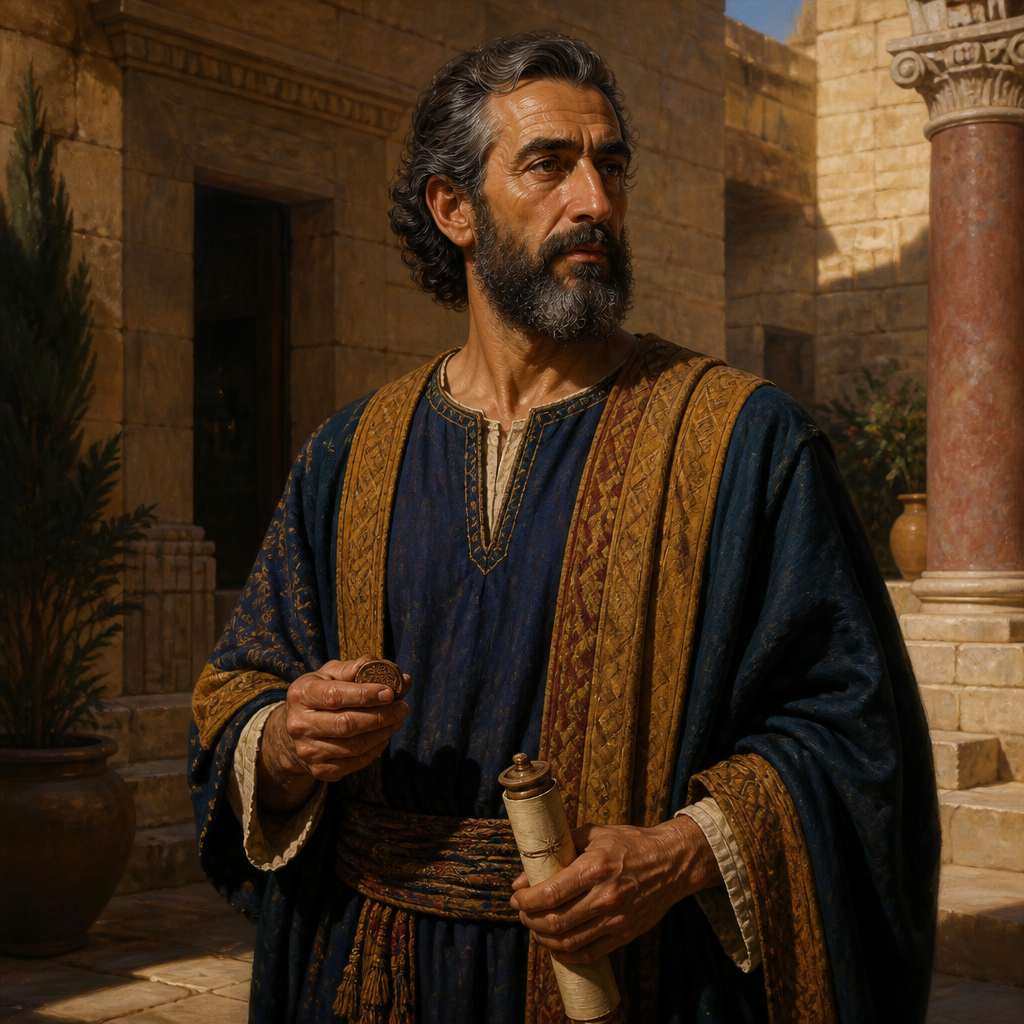
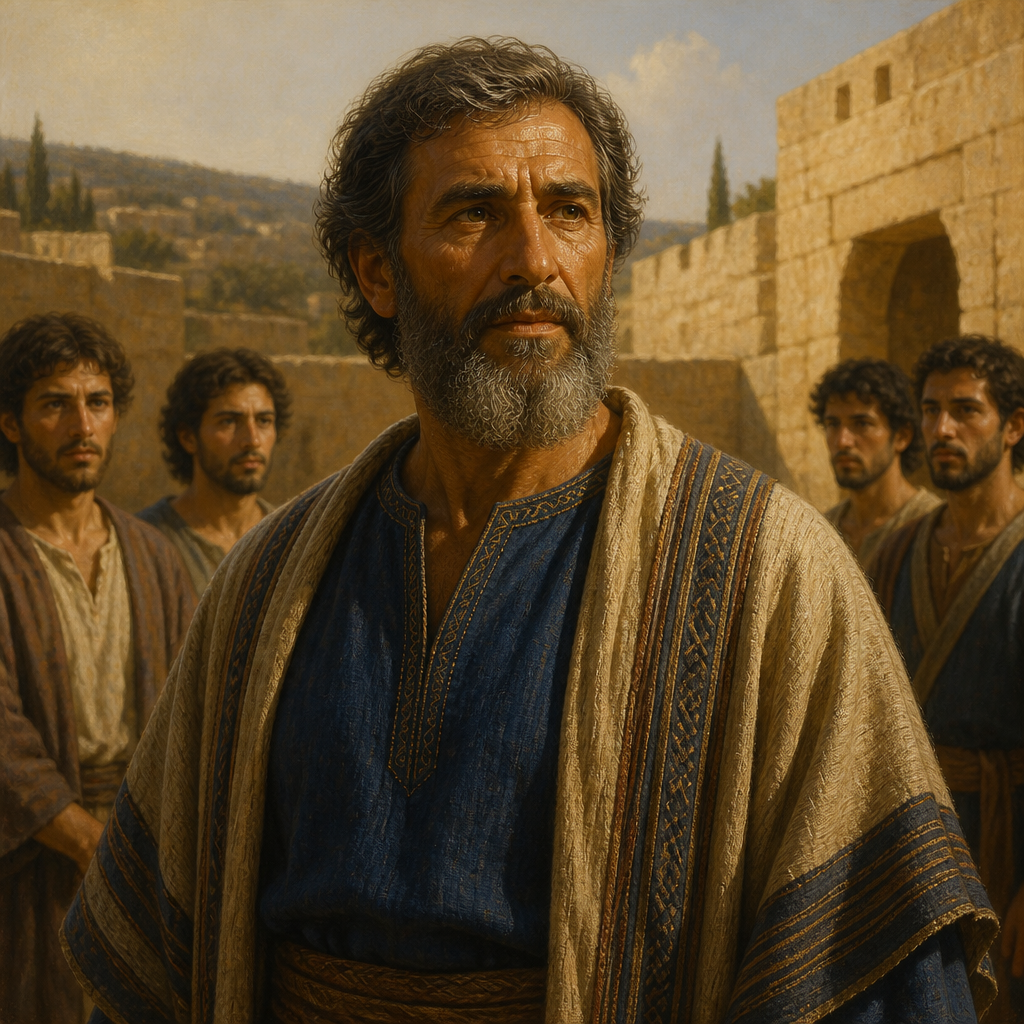
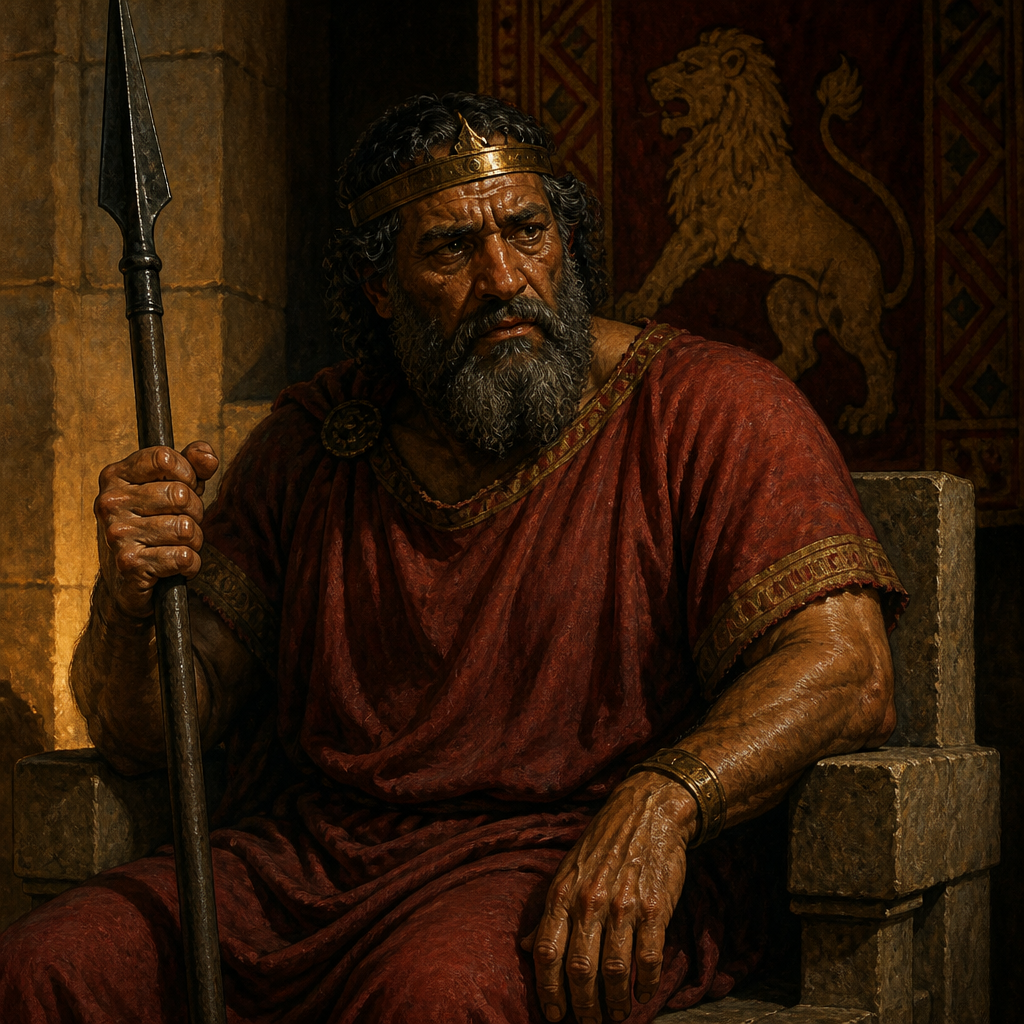
Categories
Mentions by Book
- 1 Chronicles3
Family & Relationships
Child
1 Chronicles 8:37
Child
1 Chronicles 8:37
Child
1 Chronicles 8:37
Sibling
1 Chronicles 8:37
Sibling
1 Chronicles 8:37
Sibling
1 Chronicles 8:37
Parent
1 Chronicles 8:37
Sibling
1 Chronicles 8:37
Others Named Eleasah
Eleasah, Descendant of Judah1 Chronicles 2:39
A member of the Tribe of Judah through the line of Jerahmeel, whose genealogy is preserved in the chronicles of the Divided Monarchy.