Amasa, Leader of Ephraim
An Ephraimite leader during the Divided Monarchy who opposed the enslavement of Judean prisoners during the reign of King Pekah.
Amasa, son of Hadlai, was a prominent tribal leader within the northern kingdom of Israel (Ephraim) during the 8th century BC. He rose to historical prominence during a period of intense internecine warfare between the northern kingdom of Israel and the southern kingdom of Judah. His appearance in the biblical record is brief but critical, capturing a rare moment of moral courage and humanitarian intervention in the midst of the Divided Monarchy.
He is specifically identified as one of the four "heads" or leaders of the Ephraimites who stood in defiance of the returning northern army. His actions occurred during the reign of King Pekah of Israel, following a devastating military campaign against King Ahaz of Judah. While many in the northern kingdom sought to exploit their victory through the systemic enslavement of their southern brethren, Amasa and his colleagues intervened to prevent a moral and spiritual catastrophe.
Background and Family
The biblical record identifies Amasa as the son of Hadlai. While little is known of his lineage beyond this patronymic, his status as one of the "leaders of the Ephraimites" (2 Chronicles 28:12) suggests he belonged to a family of significant social and political standing within the tribe of Ephraim. The tribe of Ephraim was the dominant force in the northern kingdom of Israel, often used as a metonym for the nation itself. Amasa lived during the mid-8th century BC, a volatile era characterized by the Syro-Ephraimite War and the looming threat of the Neo-Assyrian Empire.
Major Life Events
Amasa’s legacy is defined by a single, high-stakes confrontation recorded in 2 Chronicles 28. Following a massive military engagement in which the northern army under King Pekah killed 120,000 Judean soldiers and captured 200,000 women and children, the victorious troops returned toward Samaria with their captives and spoil.
Before the army could enter the city, a prophet named Oded confronted the soldiers, warning them that bringing the captives into Samaria would provoke the wrath of God. Amasa, son of Hadlai, was one of four tribal leaders—alongside Azariah, Berechiah, and Jehizkiah—who took a public stand in support of the prophet's warning. The biblical text notes that these men "stood in opposition to those arriving from the war" (2 Chronicles 28:12).
Amasa and his peers argued that the northern kingdom was already guilty of many sins and that adding the enslavement of their kinsmen to their transgressions would be ruinous. Their intervention was successful; the army relinquished the captives. Amasa and the other leaders then facilitated a massive humanitarian effort, using the captured spoil to clothe the naked, provide sandals, food, and drink for the prisoners, and even anointing the wounded with oil. They eventually escorted the weak on donkeys and returned all the captives to their people at Jericho.
Relationship to Other Biblical Figures
Amasa is directly linked to three other Ephraimite leaders: Azariah son of Jehohanan, Berechiah son of Meshillemoth, and Jehizkiah son of Shallum. Together, they formed a unified front against the military establishment of King Pekah. He is also functionally linked to the prophet Oded, whose divine message provided the impetus for Amasa's political and social resistance. Unlike many leaders in the northern kingdom who are characterized by their apostasy, Amasa is depicted as a man responsive to prophetic rebuke.
Spiritual Significance
The narrative involving Amasa serves as a profound example of fraternal responsibility and the limits of nationalistic fervor. Even during a period of civil war and deep division, Amasa recognized the Judean captives not merely as enemies or property, but as "brothers." His actions demonstrate that even within a kingdom frequently condemned by the prophets for its idolatry, there remained a remnant of leadership capable of justice and mercy. Amasa represents the biblical principle that military victory does not grant moral license for cruelty, and that true leadership requires the courage to oppose one's own people when they are in the wrong.
Spiritual Significance
Amasa, son of Hadlai, is significant for his role in preventing the mass enslavement of the people of Judah by the northern kingdom of Israel. His intervention demonstrates the presence of a moral conscience among the Ephraimite leadership even during the spiritual decline of the Divided Monarchy. He stands as a rare example of a northern leader acting in accordance with the Mosaic Law regarding the treatment of kinsmen.
Furthermore, Amasa's actions alongside the other three leaders illustrate the power of unified civil leadership in curbing the excesses of a victorious military. By treating the Judean captives with dignity—providing clothing, food, and safe passage—Amasa helped avert further divine judgment upon the kingdom of Samaria.
Frequently Asked Questions
Who was Amasa's father?
Amasa was the son of Hadlai.
What tribe did Amasa belong to?
Amasa was a member and leader of the tribe of Ephraim, part of the northern kingdom of Israel.
What did Amasa do during the war against Judah?
Amasa and three other leaders stood against the northern army's plan to enslave 200,000 Judean captives, eventually helping to clothe, feed, and return them to Jericho.
Which king was ruling Israel during Amasa's time?
Amasa lived during the reign of King Pekah of Israel, who was at war with King Ahaz of Judah.
In which book of the Bible is this Amasa mentioned?
This specific Amasa is mentioned only in the Book of 2 Chronicles, specifically in chapter 28.
Connected Figures
Oded
Prophet whose message Amasa supported
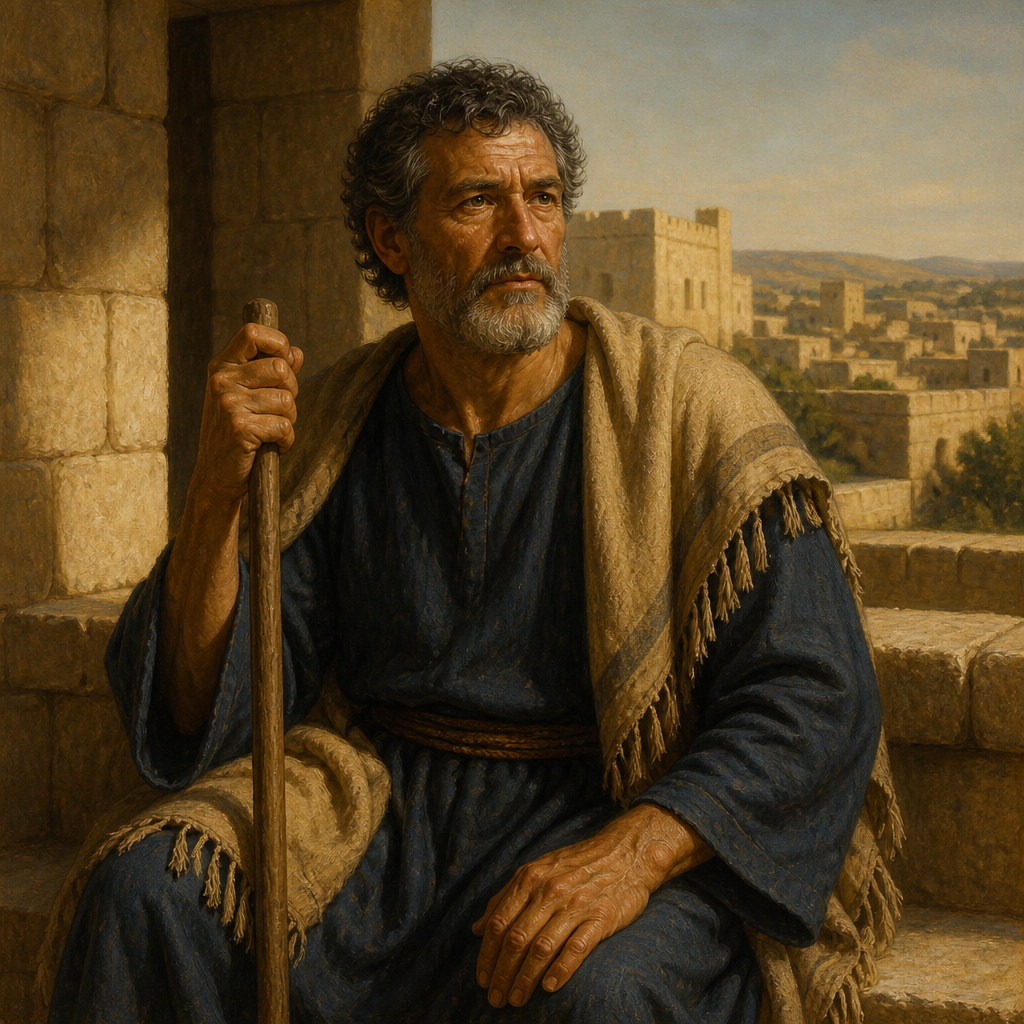
Hadlai
Father
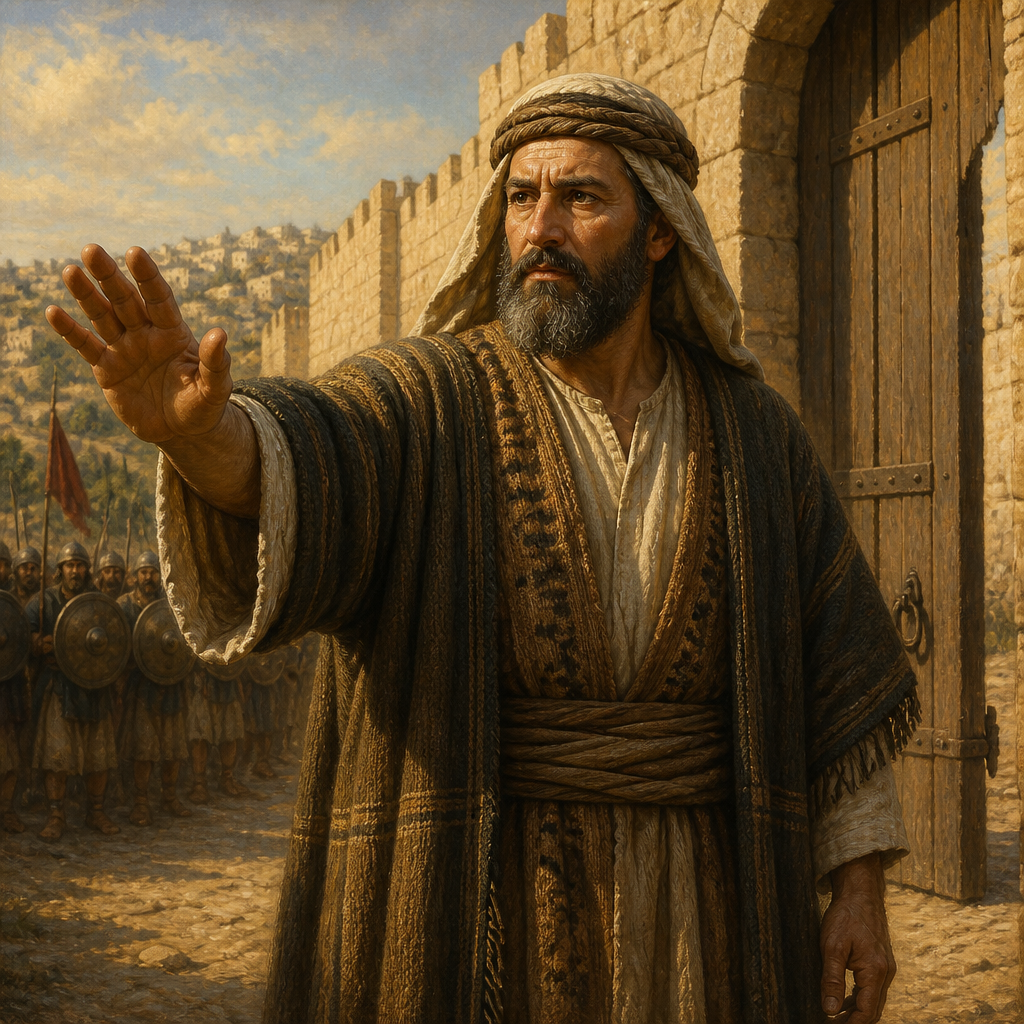
Azariah son of Jehohanan
Peer and fellow Ephraimite leader

Pekah
King of Israel during his lifetime
Categories
Mentions by Book
- 2 Chronicles1
Family & Relationships
Parent
2 Chronicles 28:12
Others Named Amasa
Amasa, Nephew of David2 Samuel 17:25
Amasa was a military commander and nephew of King David who served as general under Absalom and later briefly replaced Joab before his assassination.