Persis
A Christian woman in the Roman church whom the Apostle Paul commends for her exceptional diligence and labor in the service of the Lord.
Persis was a member of the early Christian community in Rome during the mid-1st century AD. She is known exclusively through the Apostle Paul’s greetings in the final chapter of his Epistle to the Romans. Although the biblical record of her life is limited to a single sentence, Paul’s specific choice of words distinguishes her as a significant figure within the local ministry of the Roman church.
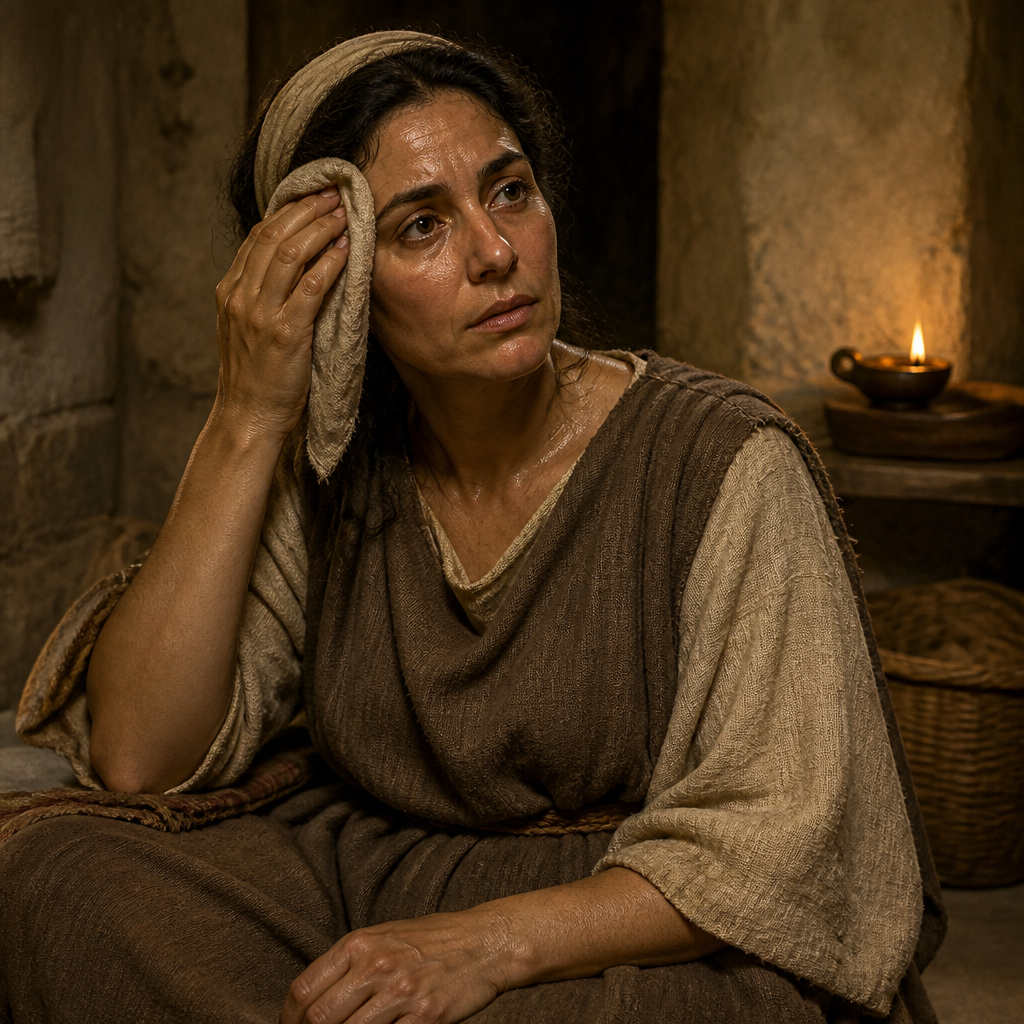
In Romans 16:12, Paul refers to her as "the beloved Persis," a term of endearment that signifies both personal affection and high standing within the faith community. He further notes that she "worked very hard in the Lord," using a Greek verb that implies strenuous, exhaustive labor. Her presence in this list of greetings highlights the essential role women played in the foundational years of the Christian movement.
Background and Family
The biblical record provides no direct genealogical information regarding Persis. Her name, Persis (Περσίς), literally translates to "Persian woman," which was a common name for female slaves or freedwomen in the Roman Empire during the 1st century AD. This linguistic origin suggests she may have been of Eastern descent or from a family that had once been enslaved, though by the time of Paul's writing, she was a recognized and valued member of the Roman congregation. There are no recorded relationships in the text; she is mentioned independently of any husband or children, which may suggest she was a widow or an unmarried woman dedicated to her ministry.
Major Life Events
The only recorded event involving Persis is her inclusion in the Apostle Paul's list of greetings to the church at Rome, written c. 57 AD. While Paul had not yet visited Rome when he wrote the letter, he was clearly well-informed about the individual contributors to the gospel work there.
Persis is mentioned alongside two other women, Tryphena and Tryphosa. However, Paul makes a grammatical distinction when describing their efforts. While he notes that Tryphena and Tryphosa "work hard" (present tense), he states that Persis "worked very hard" (aorist tense, suggesting a specific, completed, or particularly intense volume of labor). The use of the Greek ekopiasen indicates labor to the point of exhaustion. This implies that Persis had performed a specific, significant service for the church that had left a lasting impression on the apostolic leadership.
Relationship to Other Biblical Figures
Persis is linked to the Apostle Paul through his greeting, where he calls her "beloved" (agapētos). This term is rarely applied to individuals in Paul’s letters, and its feminine form (agapētēn) here underscores a deep, respectful spiritual bond. She is grouped in the same verse as Tryphena and Tryphosa, suggesting they may have served together in a similar capacity, perhaps in ministering to the poor, hosting house churches, or assisting in the instruction of new converts within the Roman city.
Spiritual Significance
Persis serves as a primary example of the "hidden" laborers of the New Testament church. Her significance lies in the intensity of her devotion. By emphasizing that she worked "very hard," Paul elevates her above the standard expectations of service. In the context of the early church, such labor was essential for the survival and expansion of the faith under Roman scrutiny. Her legacy remains a testament to the fact that even those mentioned only briefly in the biblical canon are viewed as vital, beloved participants in the divine mission.
Spiritual Significance
Persis is significant as a representative of the active role women held in the primitive church. Paul’s commendation of her labor ('worked very hard in the Lord') uses the same terminology he uses to describe his own apostolic toil, suggesting that her contributions were considered essential and of high spiritual caliber. Her name further illustrates the diverse ethnic and social composition of the early Roman church, where former slaves and people of foreign descent served as pillars of the community.
Theologically, the mention of Persis reinforces the New Testament theme that every member of the body of Christ, regardless of gender or social status, possesses a unique and valued function. Her 'beloved' status indicates that the early Christian community was defined by deep personal bonds formed through shared suffering and service for the gospel.
Frequently Asked Questions
What does the name Persis mean?
The name Persis is Greek for 'a Persian woman.' It was a name frequently given to women of Eastern origin, particularly those in the social class of slaves or freedwomen in Rome.
What did Persis do for the church?
The Bible does not specify her exact tasks, but the Greek word used to describe her work implies labor to the point of weariness or exhaustion. This likely included practical service, hospitality, or ministry to the Roman Christian community.
Was Persis related to Tryphena and Tryphosa?
While they are mentioned in the same verse (Romans 16:12), the Bible does not state they were related. Some scholars suggest they were sisters or fellow laborers, but the text remains silent on their biological connection.
How many times is Persis mentioned in the Bible?
Persis is mentioned only once in the entire Bible, in Romans 16:12.
Why does Paul call Persis 'beloved'?
The term 'beloved' (agapētos) signifies a deep spiritual affection and high esteem. It indicates that her character and hard work had made her a dear friend to Paul and a respected figure in the church.
Connected Figures
Paul the Apostle
Apostle who sent greetings and commended her labor
Tryphena
Fellow laborer in the Roman church mentioned in the same verse
Tryphosa
Fellow laborer in the Roman church mentioned in the same verse
Categories
Mentions by Book
- Romans1