Nympha
A Christian woman in Laodicea or Colossae who hosted a house church during the apostolic era.
Nympha was a prominent member of the early Christian community in the Lycus River Valley during the 1st century AD. She is known exclusively through a singular greeting in Paul’s Epistle to the Colossians. As a homeowner, she played a vital role in the infrastructure of the early church by providing a space for believers to gather for worship, instruction, and the Lord’s Supper.
Her mention by the Apostle Paul signifies her status as a respected leader or patroness within the local body of believers. While the biblical record concerning her is brief, it provides essential insight into the domestic nature of the early church and the significant contributions of women in the expansion of the gospel during the New Testament era.
Background and Family
The biblical record provides no specific details regarding Nympha’s ancestry, tribe, or marital status. Her name is Greek in origin, which was common in the multicultural Roman province of Asia where she resided. Because she is identified as the host of a church in "her house," it is highly probable that she was a woman of some financial means and social standing, as private homes large enough to accommodate a congregation were typically owned by the wealthy.
Major Life Events
Nympha’s life is anchored in the text through the final greetings of the Epistle to the Colossians. Writing from prison, the Apostle Paul sends specific commendations to the believers in the neighboring city of Laodicea.
"Greet the brothers in Laodicea, as well as Nympha and the church that meets at her house." (Colossians 4:15)
This single event—the public reading of Paul's letter—immortalized Nympha as a key figure in the Laodicean Christian community. The reference establishes her as a contemporary of other Lycus Valley figures such as Epaphras, Philemon, and Archippus. Her primary contribution was the stewardship of her domestic space for the advancement of the Christian faith.
Relationship to Other Biblical Figures
Nympha is linked directly to the Apostle Paul through his apostolic greeting. Although there is no explicit record that Paul and Nympha met in person—Paul notes in Colossians 2:1 that many in that region had not seen his face—she clearly operated under his apostolic authority and was known to him by reputation. She is also associated with the "brothers in Laodicea," suggesting she was a central hub for the Christian network in that city or the immediate vicinity.
Spiritual Significance
The significance of Nympha lies in her role as a house-church leader. In the mid-1st century AD, Christians did not possess dedicated ecclesiastical buildings; instead, the movement spread through a network of domestic assemblies. By opening her home, Nympha braved the social and potentially legal risks associated with hosting a prohibited or counter-cultural religious group. Her inclusion in the Pauline corpus serves as a testament to the essential role of hospitality and female patronage in the establishment of the early Church.
Spiritual Significance
Nympha’s theological and historical significance is rooted in the 'house church' model of the New Testament. Her mention highlights the transition of the Gospel from public spaces (like synagogues or the Areopagus) into the intimate, domestic spheres of the Roman world. She stands as a primary example of how early believers utilized their private resources—specifically their homes—to facilitate the growth of the body of Christ.
Furthermore, Nympha represents the active participation of women in the Pauline mission. Her recognition by Paul without reference to a husband suggests she may have been a widow or a woman of independent status, underscoring the New Testament theme that in Christ, both men and women are co-laborers in the kingdom of God.
Frequently Asked Questions
Where did Nympha live?
Nympha lived in the Lycus Valley region of Asia Minor, specifically associated with the believers in Laodicea or the surrounding area of Colossae.
What was a house church in the time of Nympha?
A house church was a local congregation that met in the private residence of a member, as there were no formal church buildings in the 1st century AD.
Is Nympha a man or a woman?
While some ancient manuscripts use a masculine form (Nymphas), the majority of modern scholars and translations (such as the BSB and ESV) identify the figure as a woman ('her house') based on the earliest Greek evidence.
What book of the Bible mentions Nympha?
Nympha is mentioned only in the book of Colossians, specifically in chapter 4, verse 15.
Connected Figures
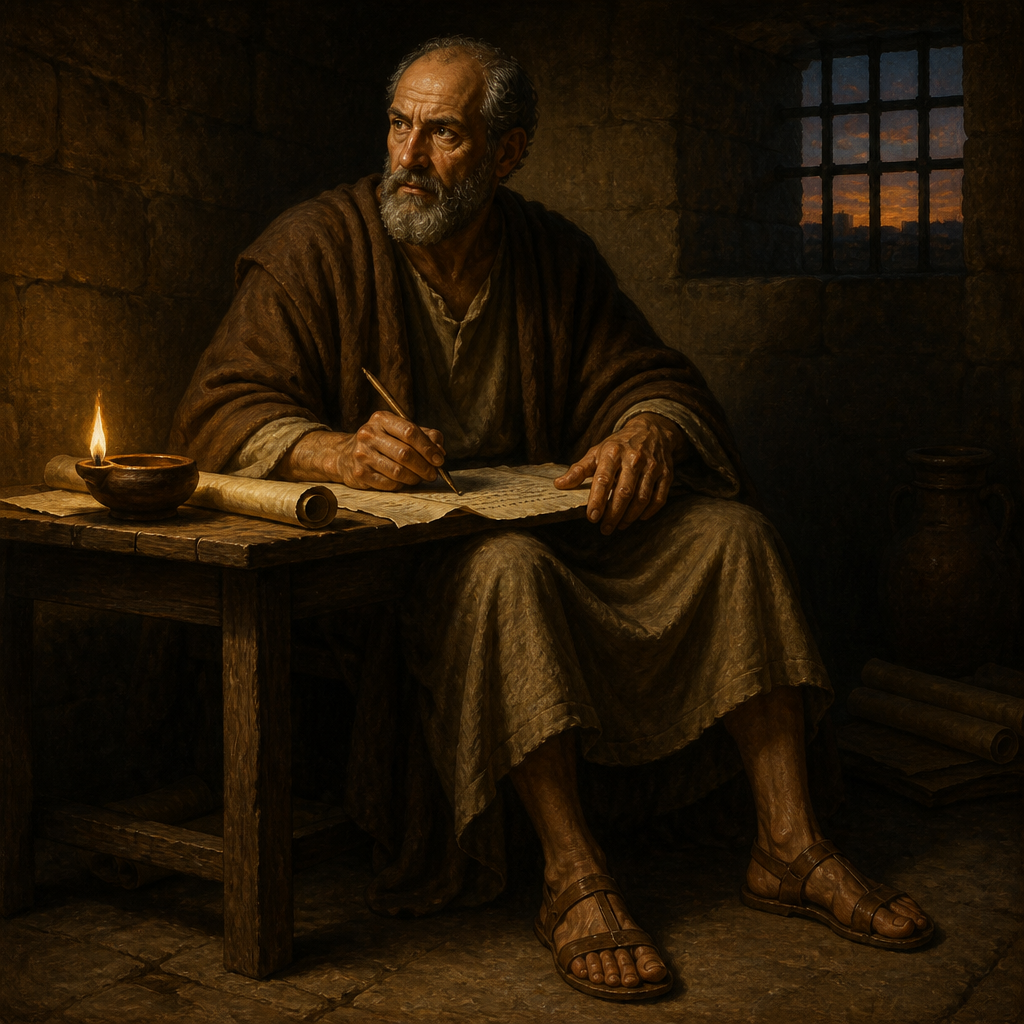
Paul the Apostle
Apostolic leader who sent her greetings
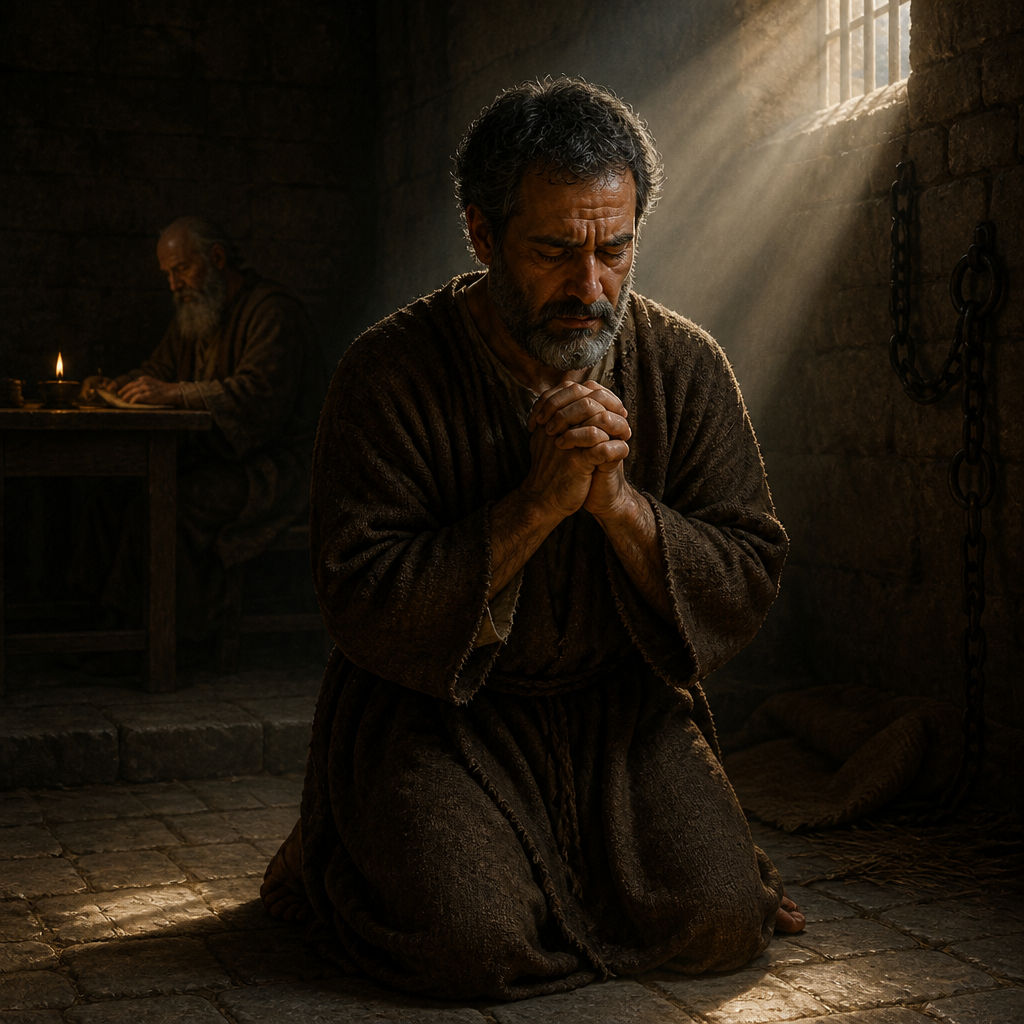
Epaphras
Founder of the churches in the Lycus Valley
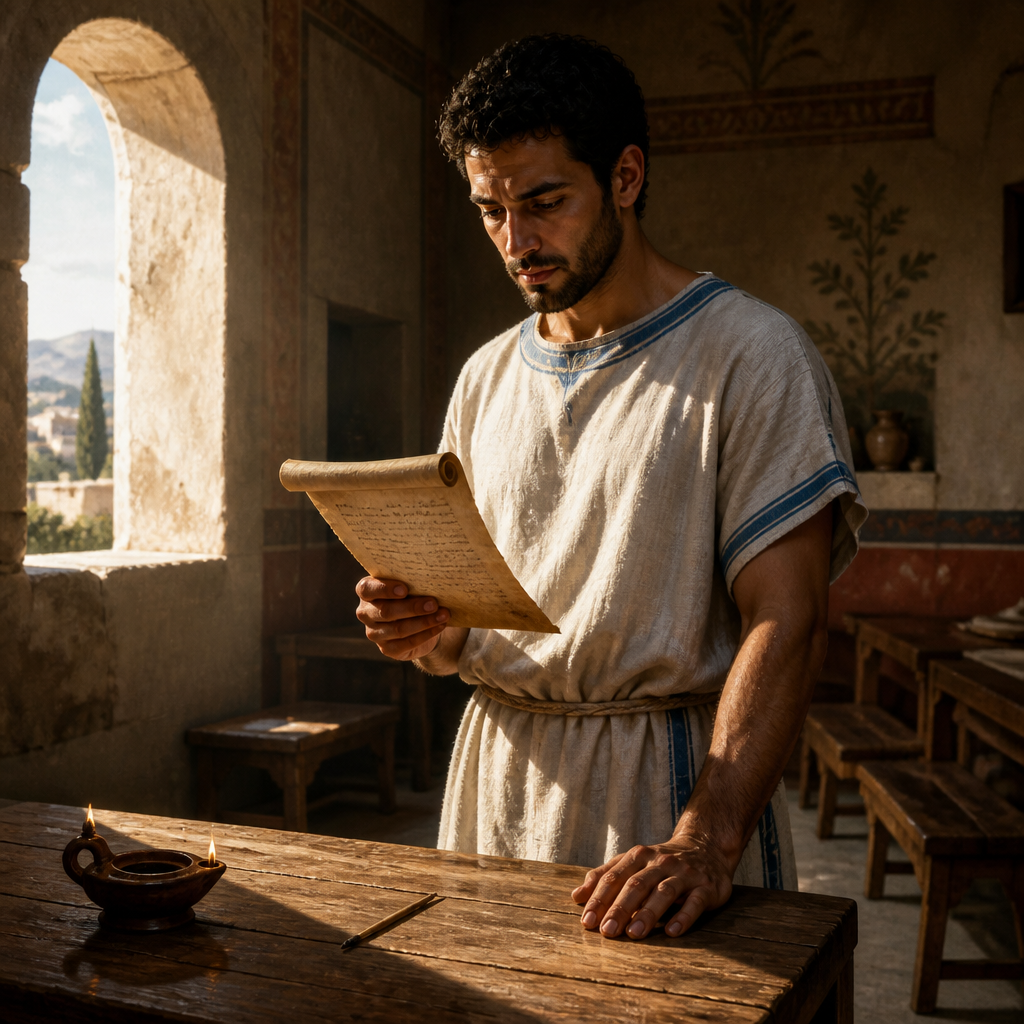
Archippus
Fellow believer mentioned in the same greeting list
Categories
Mentions by Book
- Colossians1