Luke
A companion of the Apostle Paul, described as a beloved physician and a faithful fellow worker during Paul’s imprisonments and missionary travels.
Luke is a prominent figure within the New Testament epistles, recognized primarily as a loyal associate of the Apostle Paul. While the biblical text does not provide a detailed biography or a tribal lineage, his identity is clearly defined by his professional background and his steadfast presence during Paul’s ministry. He is uniquely identified by Paul as a physician, a detail that has led many scholars to view him as a man of high education and practical skill.
Throughout the correspondence of Paul, Luke appears as a member of a close-knit circle of laborers. His presence is noted in both periods of active mission and during the isolation of Paul’s final imprisonment. His name is consistently associated with other notable figures of the early church, such as Mark and Aristarchus, highlighting his role as a key contributor to the spread of the Christian faith in the 1st century AD.
Background and Family
The biblical record regarding Luke is concise, focusing on his vocational identity and his ministerial associations rather than his genealogy. In Colossians 4:14, he is explicitly called "the beloved physician." This title suggests not only his professional standing but also a close, affectionate bond between him and the Apostle Paul. His ethnicity and national origin are not explicitly stated in the text, though his Greek name, Loukas, and his professional designation imply a background within the Hellenistic world of the 1st century AD.
There is no mention of Luke’s parents, siblings, or marital status in the epistles. Unlike many other figures who are introduced through their lineage, Luke is introduced through his utility to the mission and his professional skills.
Major Life Events
Luke’s life, as documented in the epistles, is defined by his companionship with Paul. In Philemon 1:24, he is categorized among Paul's "fellow workers," alongside individuals like Mark and Aristarchus. This indicates that Luke was not merely a passive observer but an active participant in the labor of establishing and encouraging early Christian communities.
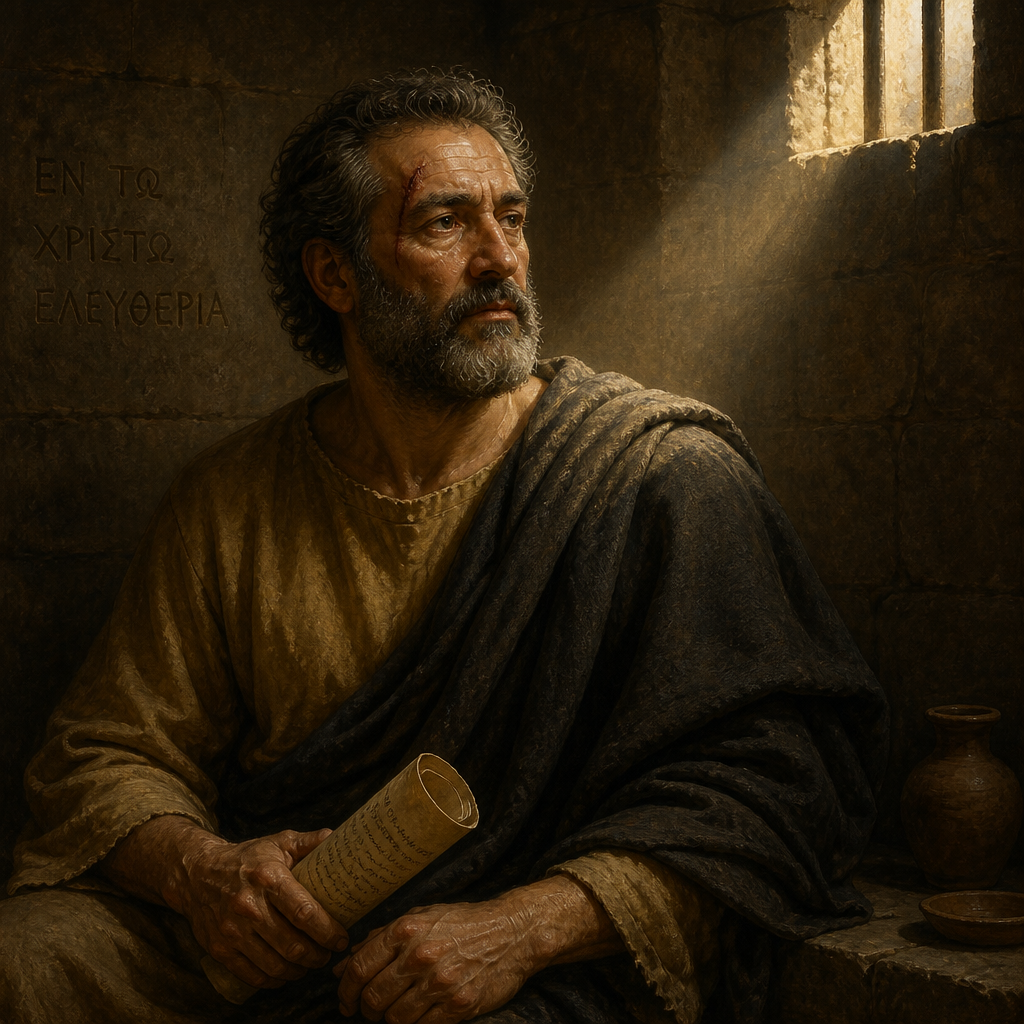
One of the most significant glimpses into Luke’s character occurs in 2 Timothy 4:11. Writing from a place of deep hardship and impending execution, Paul notes, "Only Luke is with me." This statement underscores Luke’s remarkable loyalty. At a time when others had departed or were absent for various reasons, Luke remained at the side of the apostle, providing both physical presence and, presumably, the medical care required by an aging and imprisoned Paul.
Relationship to Other Biblical Figures
Luke is frequently listed in the company of other prominent early Christians. He appears alongside Mark and Demas in both Colossians and Philemon. While Demas is later recorded as having deserted Paul (2 Timothy 4:10), Luke stands in contrast as the faithful companion.
His relationship with Paul appears to be one of mutual respect and deep friendship. Paul’s description of him as "beloved" (Colossians 4:14) indicates that Luke was more than a traveling doctor; he was a trusted confidant. Furthermore, the instructions in 2 Timothy 4:11 for Mark to be brought to Paul because he is "useful for the ministry" are given while Luke is present, suggesting Luke was part of the inner circle managing the logistics of the early church's leadership transitions.
Spiritual Significance
Luke represents the integration of professional skill with spiritual service. As a physician, he brought a specific set of talents to the apostolic mission, yet he is categorized foremost as a "fellow worker" in the gospel. His life illustrates the importance of steadfastness and loyalty in the face of persecution. In the brief mentions found in the epistles, Luke emerges as a model of the "quiet servant"—one whose constant presence and specialized skills provided the necessary support for the more public-facing ministry of the apostles.
Spiritual Significance
Luke’s significance lies in his steadfast loyalty and his unique role as a professional serving the early church. His presence at Paul's side during the apostle's final days (2 Timothy 4:11) highlights the vital importance of supportive companionship in ministry. By designating him as a physician, the text affirms that secular vocations and high levels of education were utilized and valued within the early Christian movement.
Furthermore, Luke’s inclusion in the greetings of the epistles serves to validate the communal nature of the early church. He is a bridge between the leadership of Paul and the wider body of believers, representing the dedicated 'fellow worker' who ensures the continuity of the mission through personal sacrifice and professional dedication.
Frequently Asked Questions
What was Luke's profession?
According to Colossians 4:14, Luke was a physician, referred to by Paul as 'the beloved physician.'
How does Paul describe his relationship with Luke?
Paul describes Luke as 'beloved' and lists him as a 'fellow worker' in his ministry (Colossians 4:14, Philemon 1:24).
Was Luke with Paul during his imprisonment?
Yes, in 2 Timothy 4:11, Paul writes from prison that 'Only Luke is with me,' indicating his loyalty when others had left.
Who were some of Luke's associates?
The epistles mention Luke in connection with the Apostle Paul, as well as Mark, Aristarchus, and Demas.
Where is Luke first mentioned in the epistles?
While he is mentioned in several letters, the greeting in 2 Corinthians 13:13-14 is associated with his presence among the 'saints' sending greetings to the church.
Connected Figures

Paul the Apostle
Close friend and ministry leader

Mark
Fellow worker and associate

Demas
Former associate in ministry
Aristarchus
Fellow worker
Categories
Mentions by Book
- 2 Corinthians2
- 2 Timothy1
- Colossians1
- Philemon1