Herodion
A 1st-century Christian in Rome whom the Apostle Paul describes as a fellow countryman and greets in his epistle to the Romans.
Herodion was a member of the early Christian community in Rome during the mid-1st century AD. He is known exclusively through a single mention in the concluding greetings of the Apostle Paul’s Epistle to the Romans. His name suggests a possible connection to the Herodian dynasty or the household of the Herods, though he is identified by Paul primarily through their shared ethnic heritage.
Despite the brevity of his mention, Herodion represents the diverse tapestry of the Roman church, which included individuals from various social strata and backgrounds. Paul singles him out for a personal greeting, indicating that Herodion was a person of some recognition or established relationship with the Apostle prior to Paul's arrival in Rome.
Background and Family
The biblical record provides no explicit details regarding Herodion’s parentage, tribe, or immediate family. The name "Herodion" is a derivative of "Herod," which has led some historians to suggest he may have been a freedman or a dependent associated with the household of the Herodian kings. However, the text of Romans 16:11 focuses solely on his identity as a Christian believer.
Paul refers to Herodion as his "fellow countryman" (Greek: sungenēs). While this term can occasionally refer to a literal relative, in the context of Paul’s writings, it most frequently denotes a fellow Jew. This indicates that Herodion was a Jewish Christian living in the imperial capital, serving as a bridge between the synagogue and the growing movement of followers of Jesus.
Major Life Events
The only recorded event in the life of Herodion is his receipt of a greeting from the Apostle Paul around 57 AD. At the time, Paul was writing from Corinth and intended to visit Rome. Herodion was among a select group of individuals in Rome whom Paul knew by name and reputation.
Because Herodion is mentioned immediately before "those from the household of Narcissus who are in the Lord," some scholars posit a geographic or social proximity between these groups. However, the biblical text does not provide enough evidence to confirm if Herodion was a leader of a specific house church or a solitary figure within the larger Roman congregation.
Relationship to Other Biblical Figures
Herodion’s primary relationship in the New Testament is with the Apostle Paul. The designation "fellow countryman" places Herodion in the same category as Andronicus and Junia (Romans 16:7) and Lucius, Jason, and Sosipater (Romans 16:21). This shared Jewish identity was a significant point of connection for Paul as he sought to unify Jewish and Gentile believers within the Roman church.
Spiritual Significance
Herodion serves as a testament to the spread of Christianity within the heart of the Roman Empire. His presence in Rome, identified as a Jewish believer, highlights the fulfillment of the early Church's mission to take the Gospel from Jerusalem to the ends of the earth. In the economy of the New Testament, Herodion is an example of the "quiet" faithful—individuals who may not have authored books or led global missions but were essential components of the local body of Christ, recognized and valued by the apostolic leadership.
Spiritual Significance
Herodion’s significance lies in his role as a Jewish Christian in the Roman church, illustrating the ethnic diversity and the specific individuals who formed the community Paul addressed. He is a primary example of the 'kinsmen' Paul valued as he worked to bridge the gap between Jewish tradition and the new covenant in Christ.
His mention also provides historical weight to the claim that the Roman church was well-established and comprised of individuals Paul knew personally or by reputation before he ever set foot in the city, refuting the idea that the Roman church was an isolated or anonymous entity.
Frequently Asked Questions
Was Herodion related to King Herod?
The Bible does not state a familial relationship. While his name is a derivative of Herod, which was common among slaves or freedmen of the Herodian household, the text only identifies him as Paul's 'fellow countryman.'
What does 'fellow countryman' mean in Romans 16:11?
In this context, the Greek word 'sungenēs' most likely refers to a fellow Jew. Paul uses this term to distinguish his Jewish brothers and sisters within the diverse Roman congregation.
Was Herodion a leader in the Roman church?
The Bible does not explicitly assign him a title like 'elder' or 'deacon,' but Paul's personal greeting suggests he was a person of note or importance within the Christian community at Rome.
Where did Herodion live?
Herodion lived in Rome, as he was among the recipients of the letter Paul sent to the believers residing in the imperial capital.
Is Herodion mentioned anywhere else in the Bible?
No, Herodion is mentioned only once, in Romans 16:11.
Connected Figures
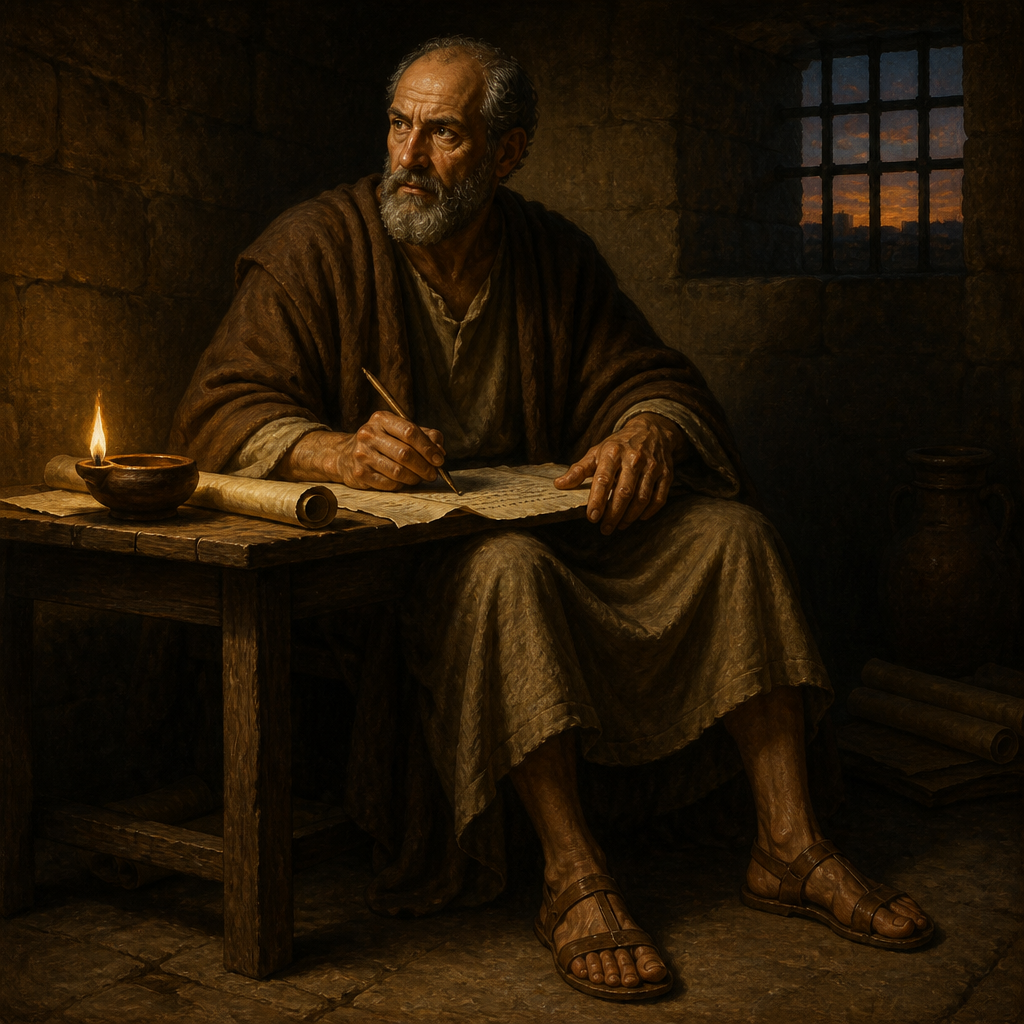
Paul the Apostle
Fellow believer and countryman
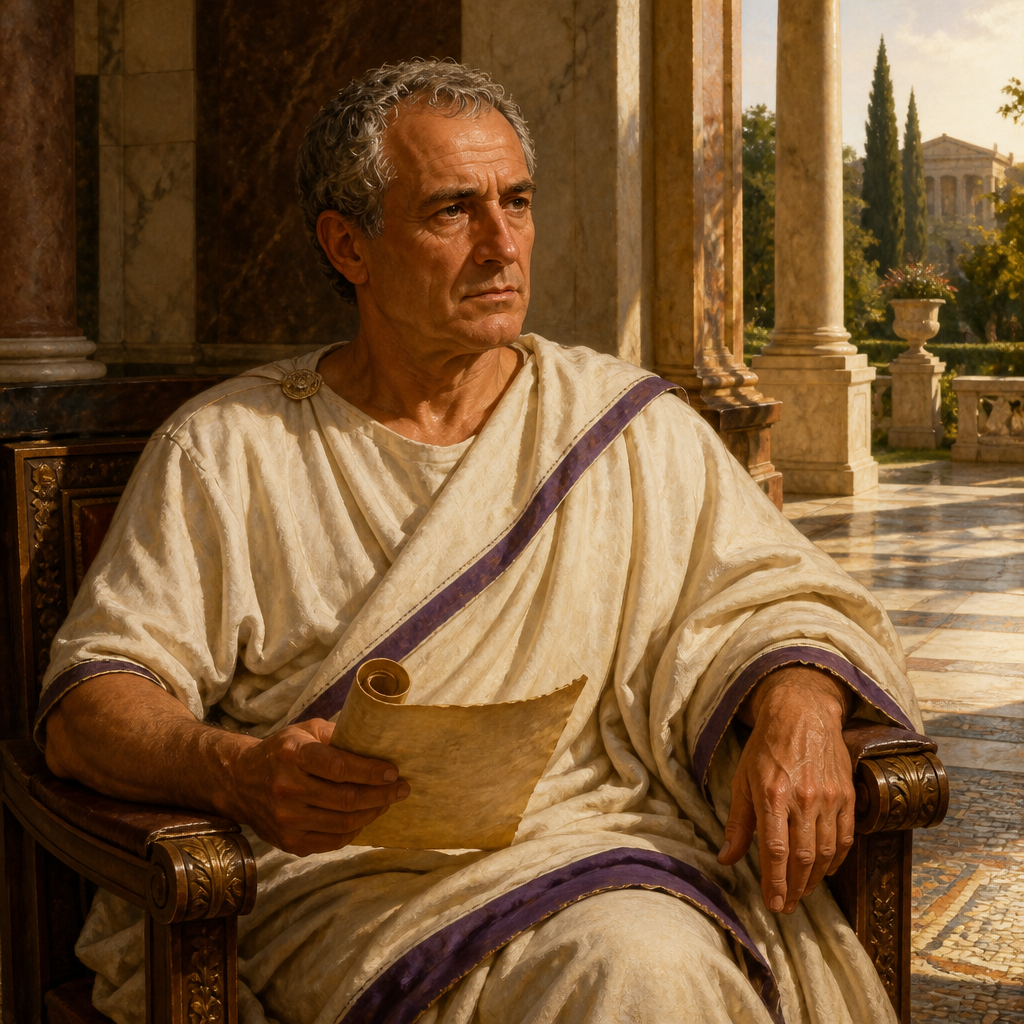
Narcissus
Associate (mentioned in the same greeting context)
Categories
Mentions by Book
- Romans1