The Unmerciful Servant
A character in a parable of Jesus who was forgiven a massive debt by his king but refused to forgive a small debt owed to him by a fellow servant.
The Unmerciful Servant is the central figure in a parable told by Jesus, recorded exclusively in the Gospel of Matthew (18:23–35). The narrative is framed as a response to the Apostle Peter’s question regarding the limits of forgiveness. Jesus uses the figure of this servant to illustrate the nature of the Kingdom of Heaven and the expectation of reciprocal mercy among those who have been forgiven by God.
The character is defined by a stark contrast in behavior: he is first a desperate debtor pleading for mercy, and subsequently a ruthless creditor demanding payment. The biblical account does not provide his name, tribe, or specific national origin, focusing instead on his legal and financial relationship with his sovereign and his peers. His story serves as a cautionary tale regarding the spiritual consequences of harboring an unforgiving heart.
Background and Context
The account of the Unmerciful Servant appears in the context of Jesus’ teachings on community and reconciliation within the church. Following a discourse on dealing with sin among believers, Peter asks, "Lord, how many times shall I forgive my brother or sister who sins against me? Up to seven times?" (Matthew 18:21). Jesus responds with the phrase "seventy-seven times" (or "seventy times seven") and immediately follows with the parable of the servant to explain the logic of divine forgiveness.
Major Life Events
The Great Debt
The narrative begins with a king who decides to settle accounts with his servants. A man is brought before him who owes ten thousand talents (Matthew 18:24). In the first century AD, a talent was the largest unit of currency; ten thousand talents represented an astronomical, unpayable sum—likely more than the annual tax revenue of an entire province. Because the servant cannot pay, the master orders that he, his wife, his children, and all his possessions be sold to satisfy the debt.
The Plea for Mercy
Faced with the loss of his family and freedom, the servant falls on his knees and begs for time, promising to pay back "everything." Though the promise of repayment was realistically impossible given the scale of the debt, the master is moved by compassion. Rather than granting a mere extension, the master cancels the entire debt and releases the man (Matthew 18:27).
The Refusal to Forgive
Immediately after receiving this life-altering grace, the servant encounters a fellow servant who owes him a hundred denarii—a significant but relatively small sum (roughly three months' wages for a laborer). The first servant reacts violently, grabbing the man by the throat and demanding immediate payment. When the fellow servant uses the exact same plea for patience that the first servant had used before the king, the Unmerciful Servant refuses and has the man thrown into prison (Matthew 18:28–30).
The Judgment
Witnessing this injustice, other servants report the matter to the king. The master summons the servant and rebukes him, calling him a "wicked servant" for failing to show the same mercy he had received. In his anger, the master hands the servant over to the jailers to be tortured until he can pay back the original, now-reinstated debt (Matthew 18:32–34).
Relationship to Other Biblical Figures
The biblical text does not record specific personal relationships for this figure, other than the mention of his wife and children who were nearly sold into slavery (Matthew 18:25). His primary interactions are with his "Master" (representing God) and his "fellow servant" (representing a neighbor or brother). These relationships are strictly hierarchical and functional within the framework of the parable to demonstrate social and spiritual obligations.
Spiritual Significance
The Unmerciful Servant serves as a sobering archetype of a person who accepts God’s grace but refuses to let that grace transform their own character. The core theological message is that human forgiveness should be a reflection of divine forgiveness. The parable emphasizes that for those who have been forgiven the "unpayable debt" of sin, refusing to forgive the relatively minor offenses of others is an act of extreme hypocrisy.
Jesus concludes the parable with a stern warning: "This is how my heavenly Father will treat each of you unless you forgive your brother or sister from your heart" (Matthew 18:35). The figure illustrates that while God’s mercy is vast, it carries the expectation that the recipient will become a channel of that same mercy to others.
Spiritual Significance
The Unmerciful Servant is the primary scriptural illustration of the necessity of heart-felt forgiveness. The figure demonstrates the staggering disproportion between the debt humanity owes to God and the debts individuals owe to one another. By highlighting the servant's failure, the text establishes that forgiveness is not merely a suggestion but a requirement for those who claim to be part of the Kingdom of Heaven.
Furthermore, the servant’s end serves as a warning about the nature of judgment. The reinstatement of his debt suggests that the rejection of mercy toward others may result in the forfeiture of the mercy one has received. This reinforces the petition in the Lord's Prayer: 'Forgive us our debts, as we also have forgiven our debtors.'
Frequently Asked Questions
How much was ten thousand talents worth?
In the 1st century AD, ten thousand talents was an astronomical sum, equivalent to millions of denarii. It represented a debt that no individual servant could ever hope to repay in a lifetime, symbolizing the weight of sin before God.
Why did the king hand the servant over to be tortured?
The king was moved to anger because the servant showed no compassion to his peer after being forgiven a much larger debt. The punishment reflects the gravity of hypocrisy and the refusal to extend the mercy one has already received.
Who does the master in the parable represent?
The master represents God the Father, who settles accounts and possesses the authority to both demand justice and grant absolute mercy.
What is the meaning of 'forgiving from the heart' in this story?
It refers to a sincere internal release of resentment and the debt owed, contrasting with the servant's external legalism and physical violence toward his fellow servant.
Does this parable teach that you can lose your salvation?
Theologians debate the mechanics of the servant's lost forgiveness, but the parable clearly warns that a persistent refusal to forgive others is incompatible with being a recipient of God's grace.
Connected Figures
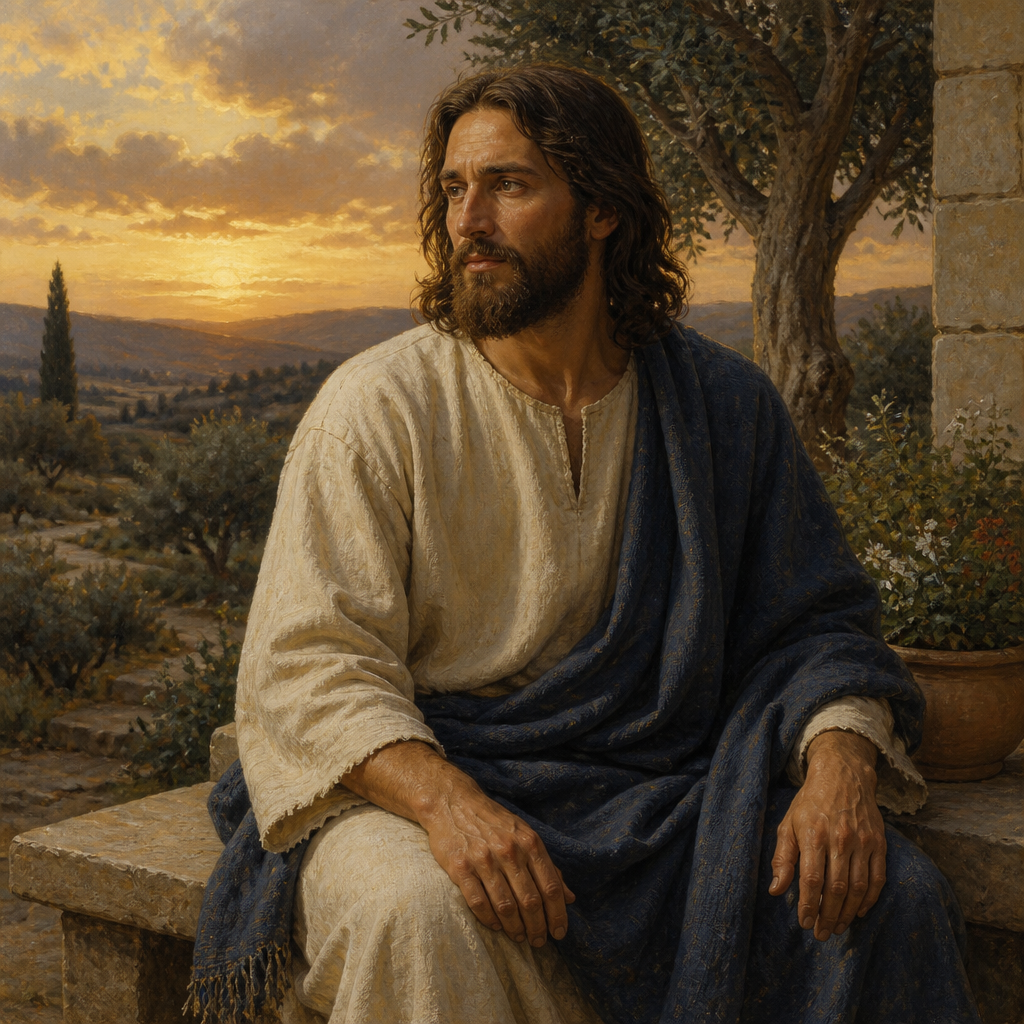
Jesus
Narrator of the parable

Peter
Apostle whose question prompted the story
The King
Master who initially forgave the servant
Categories
Mentions by Book
- Matthew13