The Rich Fool
The central figure of a Jesus parable who prioritized material accumulation over spiritual readiness, only to face sudden death.
The Rich Fool is the titular character of a parable delivered by Jesus, recorded exclusively in the Gospel of Luke. The narrative describes a wealthy landowner whose fields produce an exceptionally abundant harvest, leading him to plan for a future of ease and luxury. The figure serves as a cautionary archetype for those who focus exclusively on the accumulation of earthly wealth while neglecting their standing before God.
Historically and literarily, the Rich Fool represents the dangers of self-sufficiency and the illusion of control over one's lifespan. His story is prompted by a listener’s request for Jesus to arbitrate a family inheritance dispute, providing a backdrop of covetousness that the parable seeks to address. The character is defined by his internal monologue and his ultimate encounter with divine judgment.
Background and Family
The biblical record concerning the Rich Fool is contained within a single pericope in the Gospel of Luke (12:16–21). As a character in a parable, he is not a historical individual with a recorded genealogy or tribe, but rather a representative figure used to illustrate a theological point. The text identifies him simply as a "certain rich man" whose land was extraordinarily productive. There are no recorded relationships in the dataset, such as a wife, children, or parents; notably, the man speaks only to himself, emphasizing his isolation and self-centered worldview.
Major Life Events
The narrative arc of the Rich Fool is brief but impactful. According to Luke 12:16, his primary success was agricultural: "The ground of a certain rich man produced an abundance." This blessing of providence, however, leads to an internal crisis of storage rather than an expression of gratitude or charity.
The Internal Deliberation
Finding himself with a surplus, the man asks, "What shall I do, since I have nowhere to store my crops?" (Luke 12:17). His solution is entirely materialistic. He decides to tear down his existing barns and build larger ones to accommodate "all my grain and my goods" (Luke 12:18). This decision reflects a shift from mere sustenance to long-term hoarding.
The Vow of Hedonism
Once his security is seemingly guaranteed by his new infrastructure, the man addresses his own soul with a promise of perpetual leisure: "You have plenty of good things laid up for many years. Take it easy. Eat, drink, and be merry!" (Luke 12:19). This statement encapsulates a philosophy of life that equates material abundance with existential peace.
The Divine Interruption
The climax of the story occurs when God intervenes, addressing the man directly. The man is called a "fool"—a term that in a biblical context denotes not a lack of intelligence, but a lack of moral and spiritual perception. God informs him: "This very night your life will be required of you. Then who will own what you have accumulated?" (Luke 12:20). The man's death is immediate, rendering his massive construction projects and stored wealth useless to him.
Relationship to Other Figures
Within the context of the Lukan narrative, the Rich Fool is a foil to the "man in the crowd" who asked Jesus to settle a property dispute. Jesus uses the character to warn His listeners against all forms of greed. Unlike the disciples, who are encouraged later in the same chapter to trust in God for their daily needs (the "lilies of the field"), the Rich Fool trusts only in his barns. There are no other human characters within the parable itself, reinforcing the man’s self-absorption.
Spiritual Significance
The spiritual significance of the Rich Fool lies in the contrast between earthly wealth and being "rich toward God." Jesus concludes the parable by stating, "This is how it will be for anyone who stores up treasure for himself but is not rich toward God" (Luke 12:21).
"But God said to him, ‘You fool! This very night your life will be required of you. Then who will own what you have accumulated?’"
The character serves as a permanent warning against the "illusion of tomorrow." By focusing on "many years" that he did not actually possess, the man lost the opportunity to use his abundance for eternal purposes. The parable highlights the fragility of life and the futility of greed in the face of mortality.
Spiritual Significance
The Rich Fool is the definitive biblical illustration of the spiritual peril of greed and the false security provided by wealth. The parable challenges the assumption that a person's life consists in the abundance of their possessions. It shifts the focus from 'horizontal' accumulation (building larger barns) to 'vertical' accountability (being rich toward God). In the broader context of Luke's Gospel, this figure underscores the theme of the 'Great Reversal,' where those who are self-satisfied in this age find themselves empty in the next.
Theological discourse often emphasizes that the man's sin was not his wealth or his successful farming, but his belief that he was the sole owner and consumer of his blessings. By failing to acknowledge God as the source of his harvest, he became a 'fool' according to the Wisdom tradition, which asserts that the fear of the Lord is the beginning of wisdom. His sudden death serves as a reminder that every human life is a stewardship for which an account must eventually be rendered.
Frequently Asked Questions
Why did God call the rich man a 'fool'?
In the biblical sense, a fool is one who lives as if God does not exist or does not matter. The man was a 'fool' because he prepared for a long life on earth but made no preparation for eternity.
Was the Rich Fool's sin his wealth?
No, the text indicates his land produced the abundance naturally. His sin lay in his response: hoarding the surplus for his own pleasure rather than being 'rich toward God' or helping others.
What does it mean to be 'rich toward God'?
Being rich toward God involves prioritizing spiritual values, practicing generosity, and recognizing that all material goods belong to God and are to be used for His purposes.
Who was Jesus speaking to when He told this parable?
Jesus told the parable to a large crowd, specifically in response to a man who wanted Jesus to tell his brother to divide an inheritance with him.
Does the Rich Fool appear in other Gospels?
No, the Parable of the Rich Fool is unique to the Gospel of Luke (Luke 12:16–21).
Connected Figures
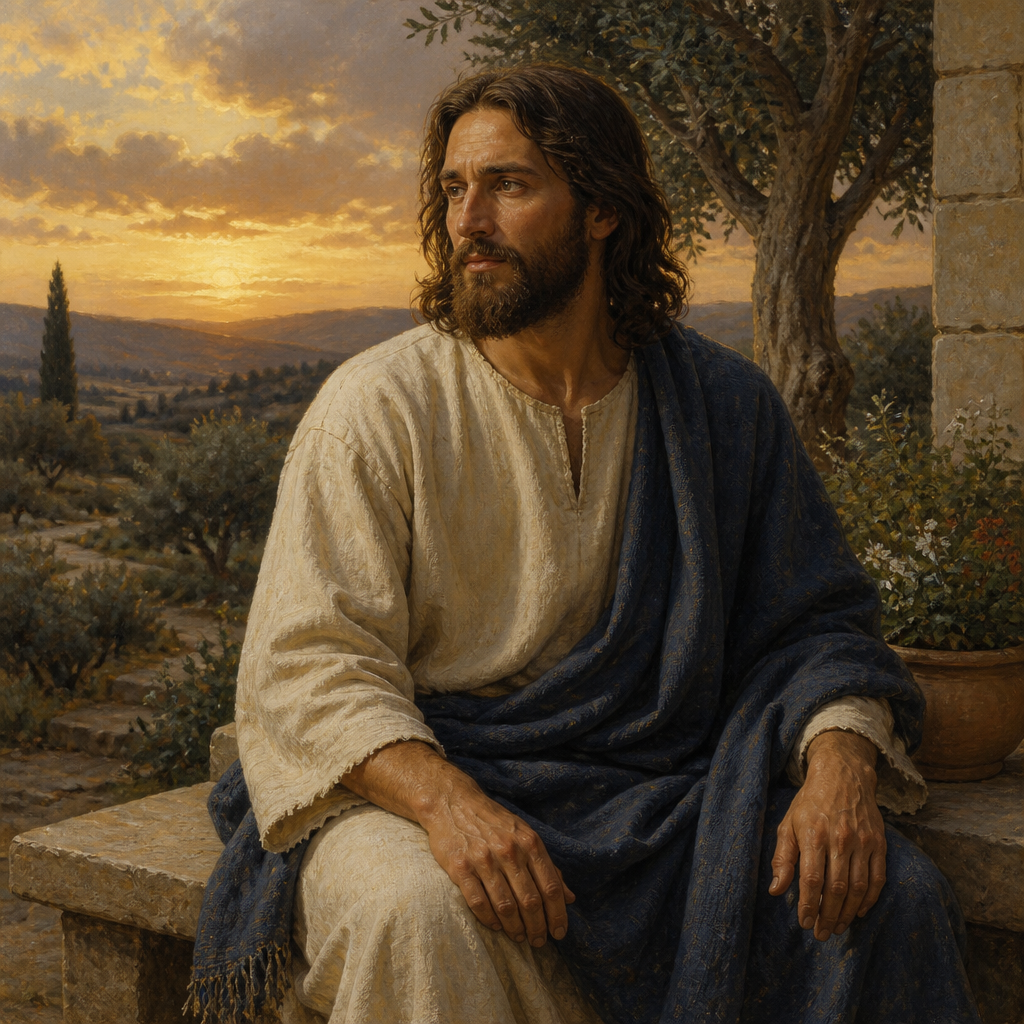
Jesus
Author of the parable
The Man in the Crowd
Occasion for the parable (Luke 12:13)
The Disciples
Primary audience for the application of the lesson
Categories
Mentions by Book
- Luke6