The Owner of the Upper Room
An anonymous resident of Jerusalem who provided the furnished guest room where Jesus and His disciples celebrated the Last Supper.
The individual known as the Owner of the Upper Room is a figure mentioned in the Synoptic Gospels (specifically Mark and Luke) during the final days of Jesus Christ's earthly ministry. This person is characterized by his hospitality and his apparent willingness to serve the needs of Jesus, whom he refers to as 'The Teacher.' The identity of this man remains anonymous in the biblical text, though his contribution to the events of the Passion Week is of immense historical and liturgical significance.
His role centers on the provision of a 'large upper room' (anagēon) in Jerusalem, which served as the location for the Passover meal that later became known as the Last Supper. The biblical account suggests a level of pre-arrangement or at least a shared understanding between Jesus and this householder, as Jesus directs His disciples to identify the house by following a man carrying a water jug—a distinctive sign in a culture where drawing water was typically a task performed by women.
Background and Family
The biblical record provides no specific details regarding the lineage, tribe, or family of the Owner of the Upper Room. He is identified simply by his relationship to his property—a house within the city of Jerusalem. The text refers to him in the Greek as the oikodespotēs, or the 'master of the house.' From the description of his residence, scholars infer that he was a man of at least moderate wealth and standing. The house featured a 'large upper room,' which would have been a second-story chamber, and it was already 'furnished and ready' (Mark 14:15) by the time the disciples arrived.
While the text does not name him, the narrative implies he was a resident of Jerusalem who was sympathetic to Jesus' ministry. The disciples were instructed to address him using a specific title for Jesus—'The Teacher'—suggesting the owner would immediately recognize who was requesting the space. The absence of a name in the Gospel accounts may have been a protective measure for the homeowner during the early years of the church, or it may simply reflect the biblical authors' focus on the providence of the event rather than the biography of the provider.
Major Life Events
The entirety of this individual's biblical presence occurs during the preparation for the Passover in c. 33 AD. As the festival approached, Jesus sent two of His disciples (identified as Peter and John in Luke 22:8) from Bethany into Jerusalem with specific, prophetic instructions. They were told that upon entering the city, they would encounter a man carrying a jar of water.
Following this man led the disciples to the house of the owner. Upon arrival, the disciples delivered a message from Jesus: "The Teacher asks: Where is My guest room, where I may eat the Passover with My disciples?" (Mark 14:14). Without recorded hesitation or negotiation, the owner showed them a large, furnished upper room. The disciples then set about preparing the lamb, unleavened bread, bitter herbs, and wine required for the ritual meal.
This event is significant because it demonstrates the logistics of Jesus' final hours. The owner provided the physical space for the institution of the Eucharist and the delivery of the Upper Room Discourse. The narrative concludes with the disciples finding everything "just as Jesus had told them" (Luke 22:13), confirming the owner's cooperation and readiness.
Relationship to Other Biblical Figures
Although the text does not record a direct conversation between the owner and Jesus, the relationship is clearly one of host and guest, or perhaps patron and teacher. The owner's servant (the man carrying the water jug) acts as the initial guide for the disciples. The owner’s primary interaction is with the two disciples sent by Jesus, to whom he provides access to the most private and essential part of his home during the busiest festival of the Jewish year.
Because the Bible does not name him, he remains a peripheral but essential facilitator for the inner circle of the Twelve. His hospitality allowed the group to gather in a secure, private environment away from the growing hostility of the religious authorities in the temple courts.
Spiritual Significance
The Owner of the Upper Room serves as a model of quiet, anonymous service within the New Testament. His willingness to hand over his best room to 'The Teacher' at a moment's notice reflects a heart prepared for the kingdom of God. The fact that the room was already 'furnished and ready' suggests a life lived in anticipation of the Lord's needs.
And he will show you a large upper room, furnished and ready. Make preparations for us there. (Mark 14:15)
Theologically, the owner represents the human provision that meets divine appointment. While Jesus, in His omniscience, knew where the room was and who would lead the disciples there, the owner had to physically maintain the space and open the door. The Upper Room itself became the site of the first communion, the washing of the feet, and potentially the gathering place of the early church after the Resurrection, though the text does not explicitly confirm it is the same house in later chapters. The owner’s legacy is defined by his obedience and his contribution to the setting of the New Covenant.
Spiritual Significance
The Owner of the Upper Room is theologically significant as the provider of the 'Cenacle,' the site of the Last Supper. His inclusion in the Gospel narrative underscores the themes of divine providence and the secret preparations Jesus made to ensure the Passover could be completed before His arrest. By providing the 'guest room,' he facilitated the transition from the Old Covenant Passover to the New Covenant Eucharist.
Furthermore, he illustrates the concept of biblical hospitality—offering one's resources for the advancement of the Gospel. His anonymity ensures that the focus remains on the 'Teacher' and the meal itself, rather than the prestige of the host. He remains a key figure in the geography of the Passion, representing the faithful remnant in Jerusalem who supported Jesus' ministry even under the threat of the Sanhedrin.
Frequently Asked Questions
Does the Bible give the name of the owner of the house?
No, the Bible does not provide a name for this individual, referring to him only as 'the owner of the house' or 'the master of the house' (oikodespotēs).
How did the disciples find the owner?
Jesus told them to enter Jerusalem and look for a man carrying a jug of water. They were to follow this man to the house he entered and speak to the owner there.
Was the owner a follower of Jesus?
While the Bible doesn't explicitly state his level of faith, the fact that he responded to the title 'The Teacher' and had a room 'furnished and ready' strongly suggests he was a disciple or a close sympathizer.
What kind of room did the owner provide?
He provided a 'large upper room,' which was a spacious second-story guest chamber, already furnished with the necessary tables and couches for a formal meal.
In which books of the Bible does the owner appear?
The owner and the instructions to find him are recorded in the Gospels of Mark (Chapter 14) and Luke (Chapter 22).
Connected Figures
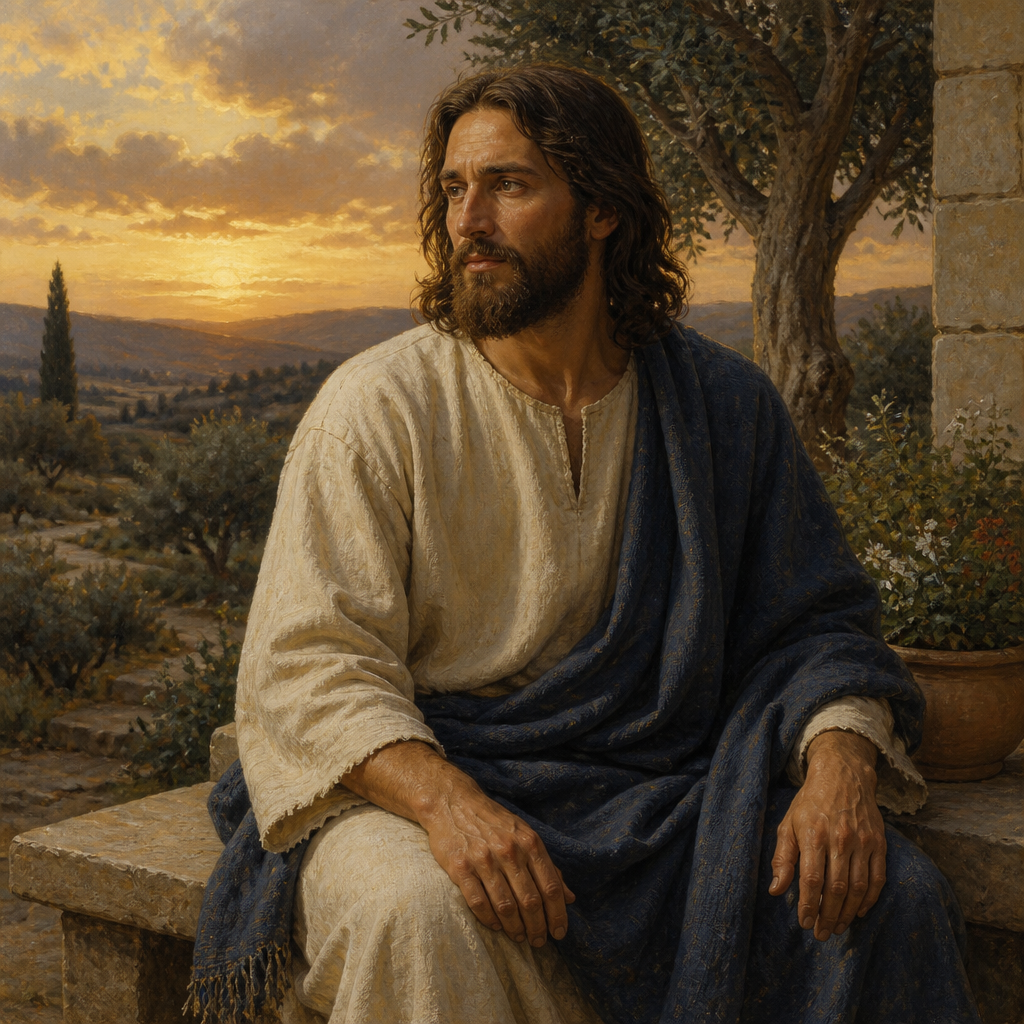
Jesus
Guest and 'The Teacher'
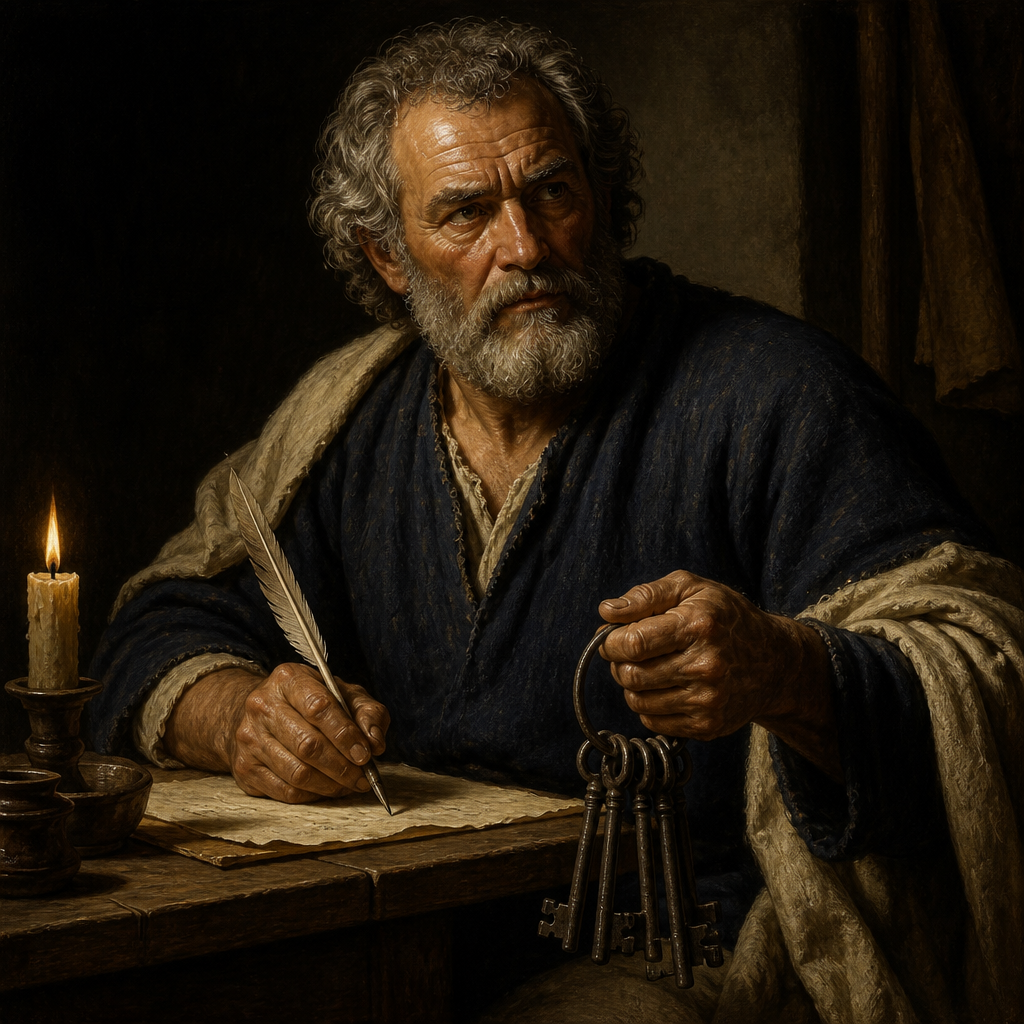
Peter
Disciple sent to meet the owner
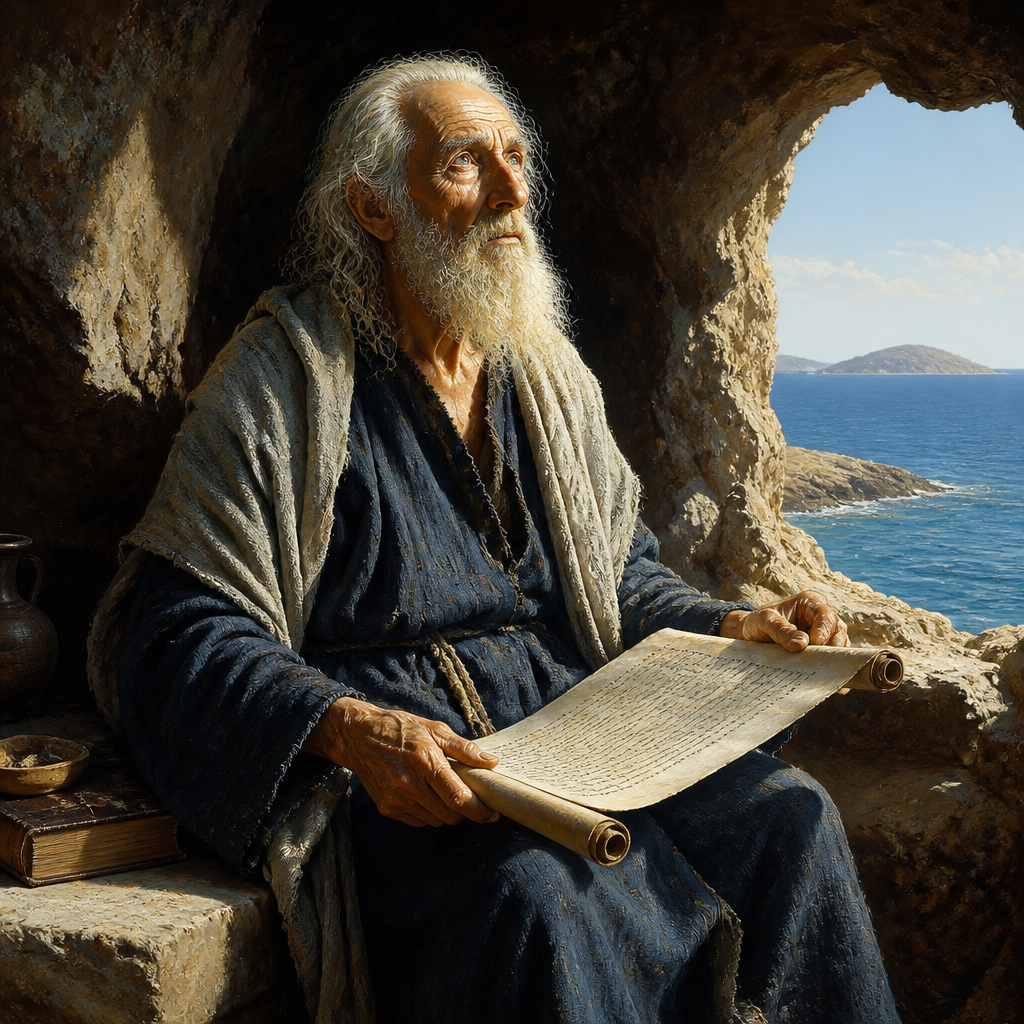
John the Apostle
Disciple sent to meet the owner