The Greeks Who Wanted to See Jesus
A group of God-fearing Greeks who approached the apostle Philip during the Passover festival in Jerusalem to request an audience with Jesus.
The Greeks Who Wanted to See Jesus appear briefly in the Gospel of John during the final week of Jesus' earthly ministry. Described as 'Greeks' (Hellēnes) who had come to Jerusalem to worship at the feast, they represent the first recorded instance in the Gospel of John of Gentiles actively seeking out Jesus. Their presence signifies the expanding reach of Jesus' message beyond the immediate borders of Israel and into the wider Mediterranean world.
Their appearance occurs shortly after Jesus' triumphal entry into Jerusalem. Rather than approaching Jesus directly, they utilize a formal social protocol, approaching Philip—a disciple with a Greek name—to facilitate a meeting. This encounter serves as a pivotal narrative marker in the Johannine account, prompting Jesus to declare that 'the hour has come for the Son of Man to be glorified.'
Background and Origin
The individuals identified as 'Greeks' in John 12:20 were likely 'God-fearers'—Gentiles who, while not necessarily full converts to Judaism (proselytes), respected the God of Israel and adhered to certain Jewish customs and moral laws. Their presence in Jerusalem during the Passover festival indicates a high level of religious devotion. The text specifies they were 'among those who went up to worship at the feast,' suggesting they were participants in the liturgical life of the temple, likely restricted to the Court of the Gentiles.
The Request to Philip
The Greeks did not attempt to accost Jesus in the crowded streets. Instead, they approached Philip, who was from Bethsaida in Galilee. Scholars often note that Philip and his fellow disciple Andrew are the only two apostles with purely Greek names, which may explain why this group felt comfortable approaching him.
They came to Philip... and requested of him, “Sir, we want to see Jesus.” (John 12:21)
Philip’s reaction suggests a level of uncertainty regarding how to handle Gentile seekers. Rather than taking them directly to Jesus, he first consulted Andrew. This cautious approach reflects the contemporary tension regarding the inclusion of non-Jews in the Messianic movement. Eventually, both Philip and Andrew went together to relay the appeal to Jesus.
Spiritual Significance
While the biblical text does not explicitly record the conversation between Jesus and the Greeks, their arrival triggers a profound theological discourse. Upon hearing of their request, Jesus speaks of His impending death and the 'glorification' that follows. In the Johannine context, the seeking of the Greeks acts as a signal that the message of the Gospel is ready to transition from a Jewish context to a global one.
Jesus responds by stating, 'The hour has come for the Son of Man to be glorified' (John 12:23). This indicates that the interest of the Gentiles is the prophetic 'alarm' that his earthly mission is nearing its climax. Their desire to 'see' Jesus is met not just with a physical meeting, but with the revelation of the 'grain of wheat' principle—that life comes through death. Their arrival serves as a precursor to the Great Commission and the eventual inclusion of all nations in the Christian faith.
Spiritual Significance
The Greeks represent the 'other sheep' mentioned earlier in John's Gospel, symbolizing the inclusion of the Gentile world in the new covenant. Their request is the catalyst for Jesus’ final public discourse before the Last Supper, shifting the focus from His ministry to His sacrificial death and universal impact. Their presence fulfills the theme of Jesus as the 'Light of the World,' drawing all people to Himself.
Frequently Asked Questions
Why did the Greeks approach Philip specifically?
Philip had a Greek name and was from Bethsaida, a region in Galilee with a high Gentile population, making him a likely cultural bridge for these seekers.
Did Jesus actually meet with these Greeks?
The text does not explicitly state whether the meeting took place; it focuses instead on Jesus’ theological response to their arrival, emphasizing the 'hour' of His glory.
What does 'Greeks' mean in this context?
In the New Testament, 'Greeks' (Hellēnes) usually refers to Gentiles or non-Jews who were influenced by Greek culture and language.
What happened after they made their request?
Philip told Andrew, and both told Jesus, who then spoke about the necessity of His death, comparing it to a grain of wheat that must fall into the ground to produce fruit.
Connected Figures
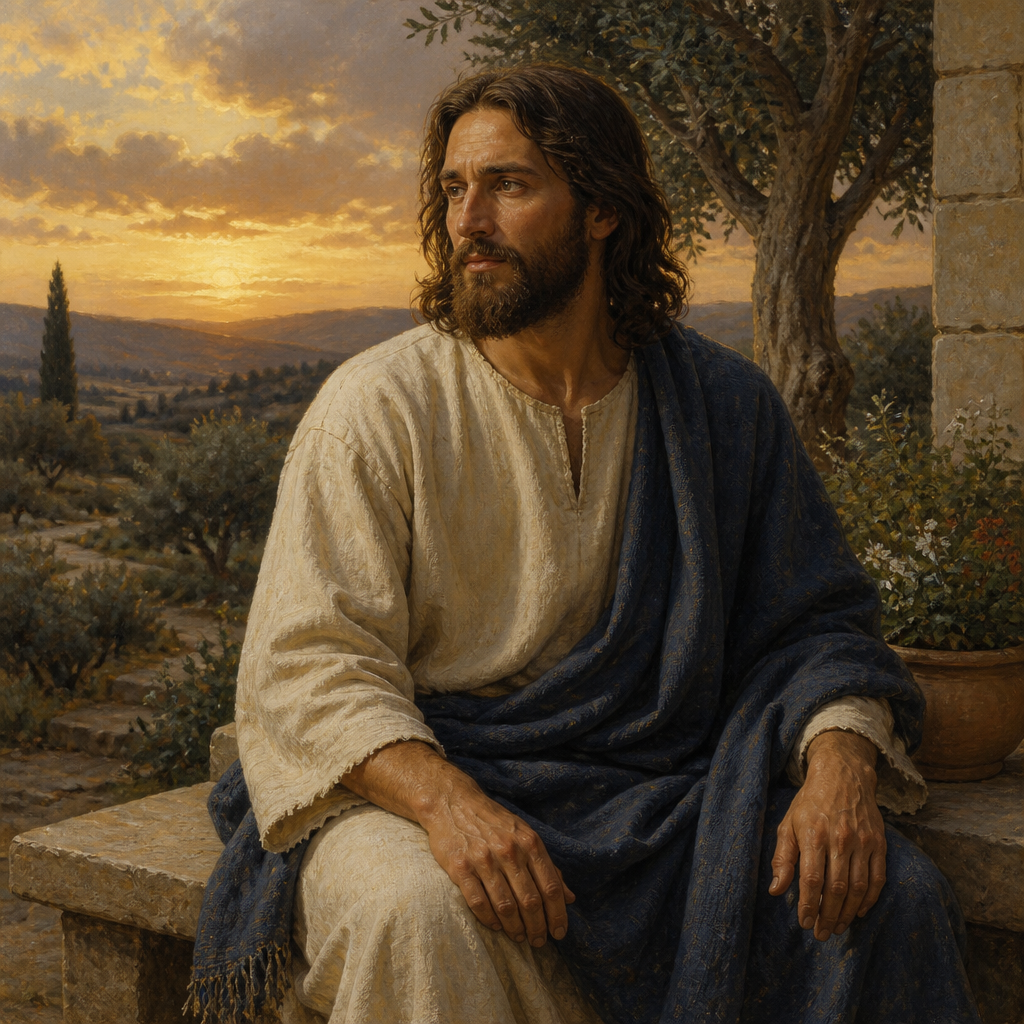
Jesus
Subject of their search
Philip
Apostle they first approached
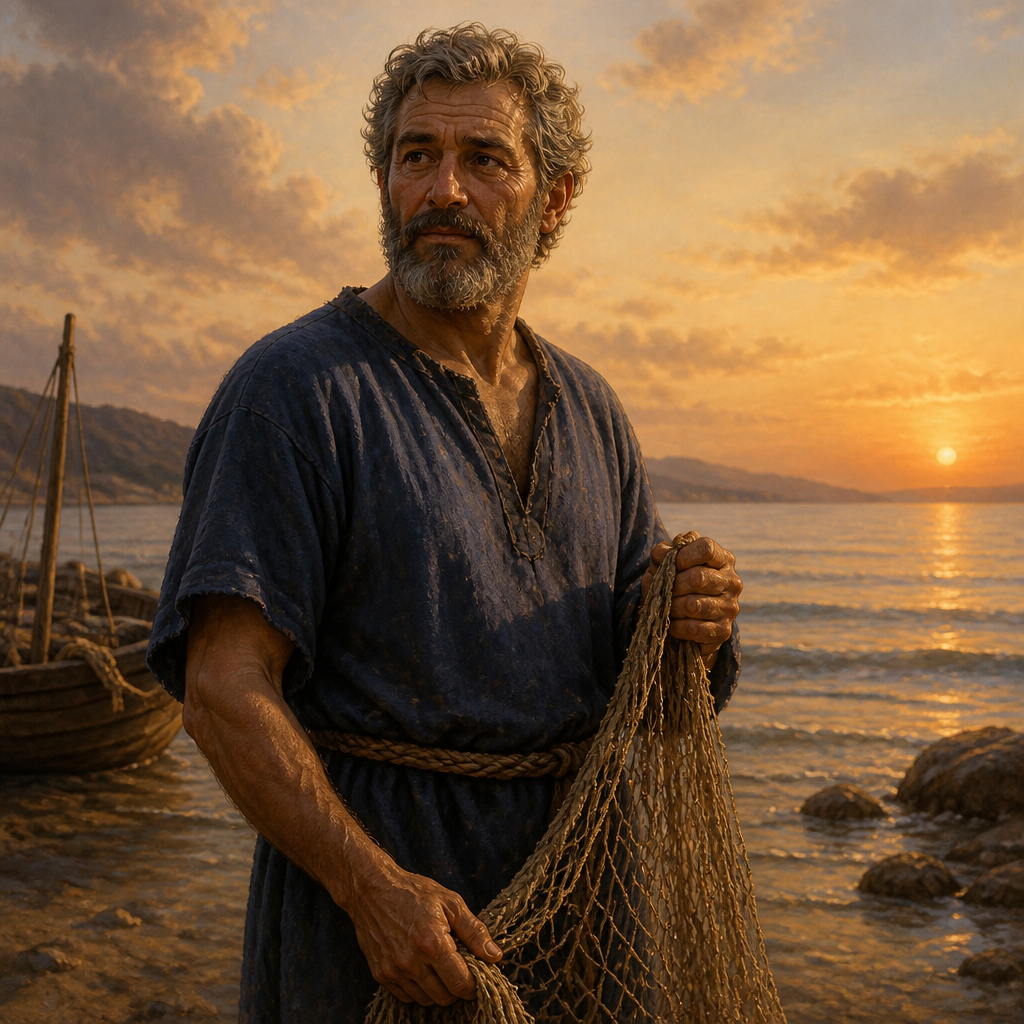
Andrew
Apostle who helped relay their request
Categories
Mentions by Book
- John3