The Father of the Boy with an Unclean Spirit
An unnamed man in the Synoptic Gospels who brought his demon-possessed son to Jesus' disciples and famously appealed for help with his unbelief.
The Father of the Boy with an Unclean Spirit is a significant, though unnamed, figure appearing in the Synoptic Gospels (Matthew, Mark, and Luke). His account occurs immediately following the Transfiguration of Jesus. Finding the disciples unable to cast out a particularly violent demon from his only child, the man approached Jesus with a mixture of desperation and flickering hope. His interaction with Christ is primarily characterized by his raw honesty regarding the struggle of faith under the weight of prolonged suffering.
Historically and literarily, this man serves as a representative of the 'unbelieving generation' Jesus rebukes, yet he is also the primary example of a seeker moving toward faith. His story highlights the limitations of the disciples' power at that stage of their ministry and the absolute authority of Jesus over the demonic realm. The man’s plea is one of the most frequently cited prayers in Christian tradition, capturing the tension between intellectual assent and the emotional experience of doubt.
Background and Family
The biblical record does not provide the name, tribe, or specific location of the man, though the event occurs shortly after Jesus descends from a mountain—traditionally associated with Mount Tabor or Mount Hermon—placing the encounter in northern Israel during the Life of Jesus (c. 1st century AD). The man’s family life is defined by the affliction of his son. According to the Gospel of Luke, the boy was his 'only child' (Luke 9:38), adding a layer of dynastic and personal tragedy to the situation.
The father reports that the boy had been possessed 'from childhood' (Mark 9:21). The description of the boy's symptoms is harrowing: he was seized by a spirit that made him mute, caused him to scream abruptly, and threw him into violent convulsions that resulted in foaming at the mouth and teeth-gnashing. The father noted that the boy often became rigid and had been repeatedly cast into fire and water by the spirit in an attempt to destroy him (Matthew 17:15, Mark 9:22). This long-term domestic crisis serves as the backdrop for the father's arrival in the Gospel narrative.
Major Life Events
The man’s appearance in scripture begins when he brings his son to Jesus’ disciples while Jesus, Peter, James, and John are on the mountain. The nine remaining disciples were unable to drive out the spirit, leading to a public dispute between the disciples and the scribes (Mark 9:14-16). When Jesus arrives and inquires about the argument, the father emerges from the crowd, kneeling before Jesus and begging for mercy.
After describing the failure of the disciples, the father makes a tentative appeal: 'If You can do anything, have compassion on us and help us' (Mark 9:22). Jesus challenges the man’s use of the word 'if,' stating that 'all things are possible to him who believes.' This prompts the man’s most famous declaration: 'I do believe; help my unbelief!' (Mark 9:24). Following this confession, Jesus rebukes the 'deaf and mute spirit.' Even in its departure, the spirit caused a final, violent convulsion that left the boy looking like a corpse, leading the crowd to believe he was dead. However, Jesus took the boy by the hand and restored him to his father, completely healed.
Relationship to Other Biblical Figures
The man’s primary interactions are with Jesus and the twelve disciples. His relationship with the disciples is marked by disappointment; he 'begged' them for help, but they were unable to provide it (Luke 9:40). This failure leads to Jesus’ sharp rebuke of the 'unbelieving and perverse generation' (Matthew 17:17). Within the narrative, the man serves as a foil to the scribes; while the scribes are engaged in a theological or legal dispute with the disciples, the father is concerned only with the practical salvation of his son.
His relationship with his son is one of deep compassion and shared suffering. When he asks for help, he says, 'have compassion on us and help us' (Mark 9:22), indicating that the boy’s torment was a burden shared by the entire household. The restoration of the boy is described as Jesus giving the child back to his father, signifying the restoration of the family unit.
Spiritual Significance
The father of the boy with the unclean spirit is spiritually significant as a model for the 'struggling believer.' Unlike the centurion (Matthew 8) or the Syrophoenician woman (Mark 7), whose faith Jesus commends as great, this man’s faith is admitted to be insufficient. His transparency—acknowledging that he has faith but that it is plagued by unbelief—makes him a relatable figure in Christian theology.
Furthermore, the encounter serves to clarify the nature of faith and spiritual warfare. When the disciples later ask why they could not cast out the spirit, Jesus explains that 'this kind cannot come out, except by prayer' (Mark 9:29). The father’s journey from bringing his son to the disciples (human agents) to falling before Jesus (the divine agent) mirrors the broader Gospel theme of the necessity of direct reliance on Christ. His story concludes with the crowd being 'astonished at the greatness of God' (Luke 9:43), shifting the focus from the man’s doubt to God’s power.
Spiritual Significance
Theologically, the father represents the intersection of human desperation and divine sufficiency. His request for Jesus to 'help my unbelief' provides a scriptural basis for the idea that faith is not a binary state, but a growing, often contested reality. The account also underscores the absolute authority of Jesus over long-standing and destructive spiritual forces that human efforts and religious institutions (represented by the disciples and scribes) were unable to overcome.
The narrative also functions as a commentary on the 'unbelieving generation.' The father is the one who initiates the move toward faith amidst a skeptical and argumentative environment. By recording his vulnerability, the Gospel writers highlight that the requirement for a miracle is not the perfection of one's faith, but the direction of one's faith toward the person of Jesus.
Frequently Asked Questions
Why couldn't the disciples heal the man's son?
Jesus told His disciples that 'this kind cannot come out, except by prayer' (Mark 9:29), suggesting that the disciples had relied on their own past success or ritual rather than active, dependent prayer for this specific, difficult case.
What happened to the boy after Jesus healed him?
The Bible states that Jesus 'healed the boy and gave him back to his father' (Luke 9:42). The boy was healed 'from that moment' (Matthew 17:18) and the spirit was commanded to never enter him again.
What did the father mean by 'help my unbelief'?
He was acknowledging that while he had enough faith to seek Jesus out, he still harbored doubts and fears due to years of disappointment. He was asking Jesus to strengthen his weak faith.
How long had the boy been possessed?
When Jesus asked the father, he replied that the condition had been with the boy 'from childhood' (Mark 9:21).
Did the father have other children?
No, Luke 9:38 specifically notes that the boy was the man's 'only child.'
Connected Figures
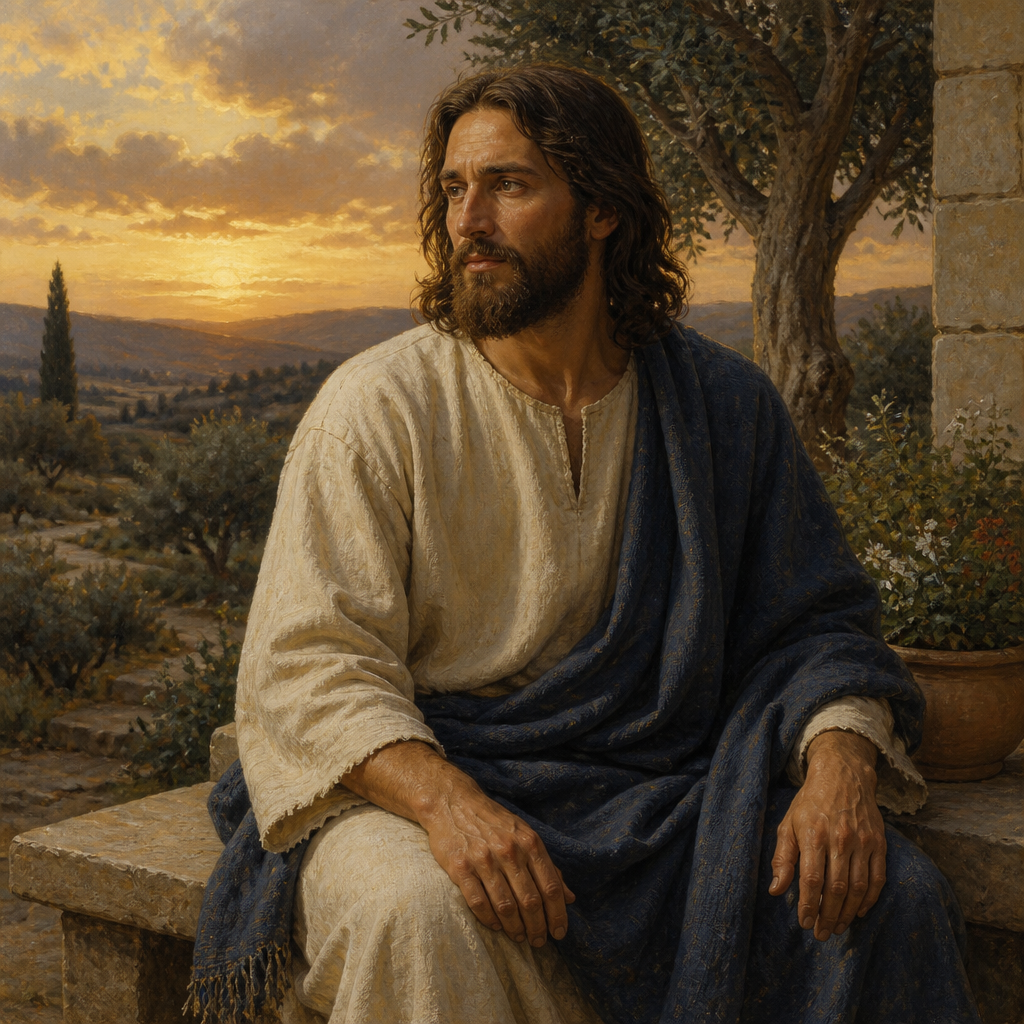
Jesus
Healer and object of the father's faith
The Boy with an Unclean Spirit
His only son
The Twelve Disciples
Those whom the father first petitioned for help