Mattathias, Ancestor of Jesus
A descendant of the tribe of Judah mentioned in the Lucan genealogy of Jesus Christ as the son of Amos and father of Joseph.
Mattathias, Ancestor of Jesus is named only in Luke's genealogy of Jesus (Luke 3:25). The page sits in the New Testament because that is the only book that records the name — but Mattathias lived during the years after the return from exile, not in the first century.
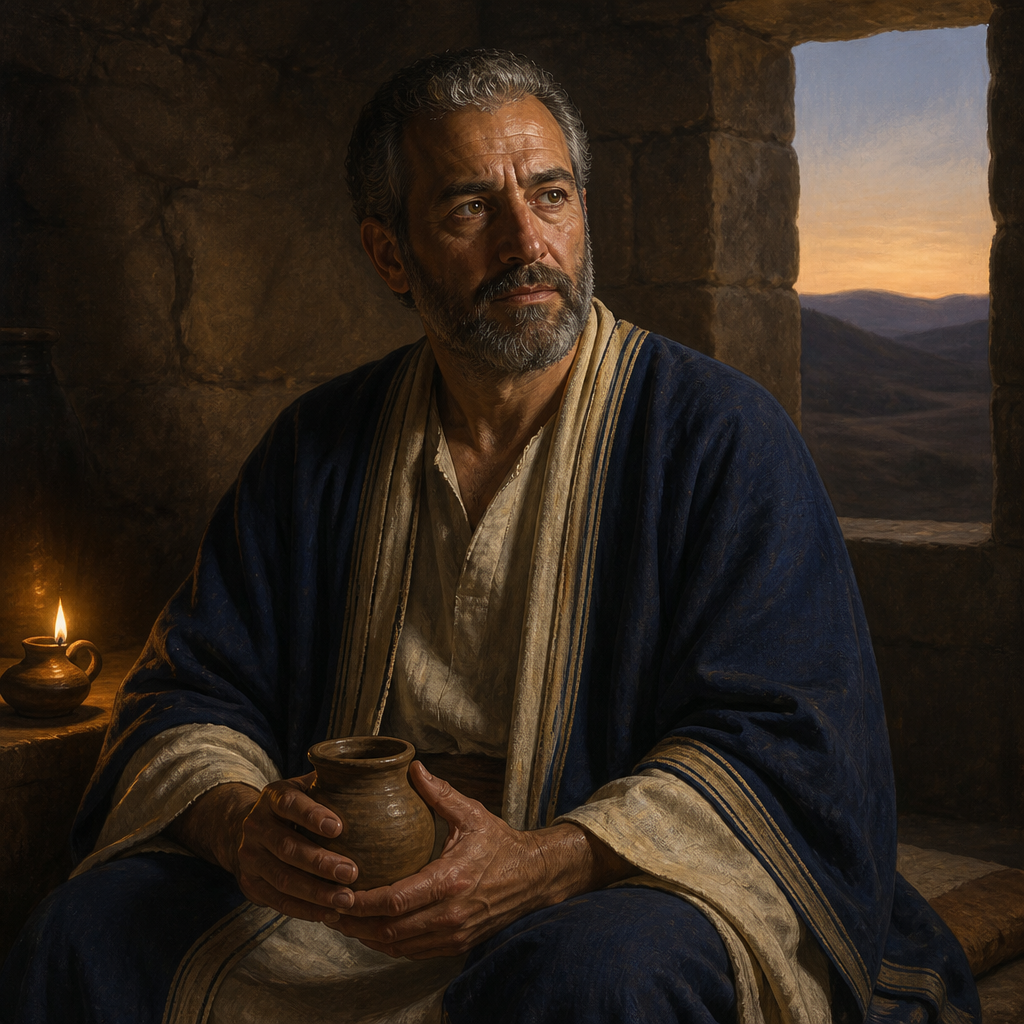
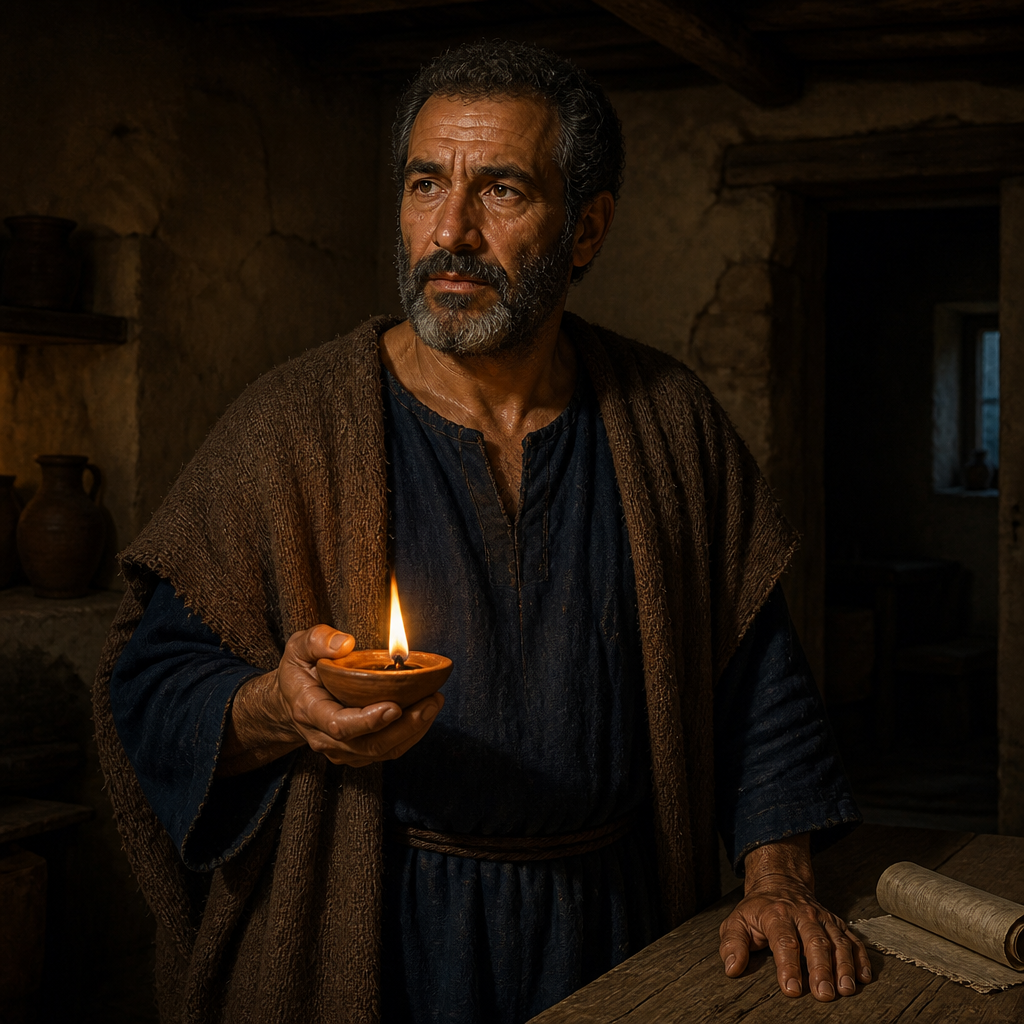
Mattathias was a Judean man who lived during the multi-century span often categorized within the genealogy of Jesus Christ. He appears exclusively in the New Testament record provided by the Gospel of Luke, which traces the biological or legal lineage of Jesus through the line of David back to Adam. As a member of the tribe of Judah, Mattathias represents a link in the messianic chain during the post-exilic period leading toward the birth of the Messiah.
While the biblical record provides no biographical details regarding his occupation or specific life events, his inclusion in the Gospel of Luke serves a vital rhetorical and theological purpose. He is situated between his father, Amos, and his son, Joseph, in a list that emphasizes the continuity of God's promise to the house of Israel through every generation.
Background and Family
Mattathias is identified in the New Testament as a member of the tribe of Judah. According to the genealogical record found in Luke 3:25, he was the son of a man named Amos and the father of a man named Joseph. This particular lineage is distinct for its focus on the Davidic line, tracing the ancestry of Jesus through a series of figures who, for the most part, remained in relative obscurity following the Babylonian captivity. Because he is listed in the generation following Amos and preceding Joseph (not to be confused with the husband of Mary), he is part of the later historical progression within the messianic line.
Major Life Events
The Holy Scriptures do not record any specific actions, speeches, or achievements attributed to Mattathias. His existence is documented solely within the context of his genealogical position. In the ancient Near Eastern tradition, such lists were not merely administrative but were essential for establishing legal rights, tribal identity, and theological legitimacy. The silence regarding his personal deeds suggests he was one of many faithful Judeans who preserved the lineage of David during the centuries of Persian, Greek, or Hasmonean influence in Judea.
Relationship to Other Biblical Figures
Mattathias’s primary biblical relationship is vertical rather than horizontal. He is defined by his place between his father, Amos, and his son, Joseph. By appearing in the Gospel of Luke, Mattathias is directly connected to the person of Jesus Christ, serving as a biological or legal forebear. Unlike the genealogy in Matthew, which focuses on the royal line of succession through Solomon, Luke’s genealogy—containing Mattathias—traces the line through Nathan, another son of David, highlighting a different branch of the family tree that eventually converges at the birth of Christ.
Spiritual Significance
The spiritual significance of Mattathias lies in the doctrine of divine providence. His inclusion in the Word of God serves as a testament that no generation is lost to history in the eyes of the Creator. Even though Mattathias performed no recorded miracles and held no recorded office, his life was an essential link in the fulfillment of the Old Testament prophecies regarding the 'Seed of David.' His presence in the text affirms that the arrival of Jesus was the result of a meticulously preserved human history, overseen by God through individuals whose primary contribution was their faithfulness in their own generation.
Spiritual Significance
The theological importance of Mattathias is rooted in the validity of the Messianic claim. By including names like Mattathias, the Gospel writer Luke demonstrates that Jesus' entry into human history was not an isolated event but the culmination of centuries of specific, traceable human ancestry. Mattathias represents the 'quiet in the land'—those who lived their lives in the shadow of the great covenants, ensuring the continuity of the promise.
Furthermore, Mattathias serves as a bridge in the Lucan genealogy. In a list that moves from the 'Second Adam' (Jesus) back to the 'First Adam,' Mattathias stands as proof of God's unwavering commitment to the tribe of Judah and the Davidic promise, even during periods when the throne of Israel was vacant and the people were under foreign dominion.
Frequently Asked Questions
Where is Mattathias mentioned in the Bible?
Mattathias is mentioned only once in the Bible, in Luke 3:25, as part of the genealogy of Jesus.
Who was the father of Mattathias?
According to Luke 3:25, the father of Mattathias was Amos.
Who was the son of Mattathias?
Mattathias was the father of Joseph (an ancestor of Jesus, distinct from Mary's husband).
To which tribe did Mattathias belong?
As an ancestor of Jesus through the line of David, Mattathias belonged to the tribe of Judah.
What is the meaning of the name Mattathias?
Mattathias is a Greek form of a Hebrew name meaning 'Gift of Yahweh'.
Connected Figures
Categories
Mentions by Book
- Luke1
Family & Relationships
Child
Luke 3:25
Parent
Luke 3:25
Others Named Mattathias
Mattathias, Son of SemeinLuke 3:26
An ancestor of Jesus Christ within the Davidic line, recorded as the son of Semein and the father of Maath in the Lucan genealogy.