Wife of Peter
The wife of the Apostle Peter, who traveled with her husband during his ministry and whose mother was healed by Jesus.
The wife of Peter, also known as Cephas, is a figure mentioned in the New Testament within the context of the life of Jesus and the early apostolic missions. While her name is not preserved in the biblical text, her existence is essential to understanding the domestic life of Peter, the leader of the Twelve Apostles. Her presence indicates that Peter, despite his calling to follow Christ, remained a married man throughout his ministry.
Evidence for her life is found in two distinct contexts: the Synoptic accounts of Jesus’ early ministry in Galilee and Paul’s later correspondence regarding apostolic rights. These glimpses suggest a woman who was integrated into the early Christian community and supported her husband’s evangelical travels in the decades following the resurrection of Jesus.
Background and Family
The wife of Peter lived during the 1st century AD, likely originating from the region of Galilee. Her familial background is primarily established through the healing of her mother. According to the Gospel of Matthew, Peter lived in a house in Capernaum, a fishing village on the northern shore of the Sea of Galilee. This residence served as a base of operations for Jesus during his Galilean ministry. The presence of her mother in Peter's home (Matthew 8:14) suggests a close-knit family structure, common in Jewish society of the era, where extended family members lived together.
Major Life Events
While the wife of Peter is not a central actor in the narrative of the Gospels, two specific events highlight her role. The first occurs early in the ministry of Jesus. When Jesus entered Peter's house, he found her mother suffering from a severe fever. Jesus touched the woman’s hand, the fever left her, and she rose to serve him. Although the wife is not explicitly described in this scene, the context of the household implies her presence and the direct impact Jesus' ministry had on her immediate family.
Later, in the years following the Ascension, she is mentioned by the Apostle Paul in his first letter to the Corinthians. Paul argues for the rights of apostles to be supported by the church, specifically mentioning the right to "take along a believing wife" (1 Corinthians 9:5). Paul notes that Cephas (Peter) did exactly this. This indicates that she accompanied Peter on his missionary journeys across the Roman Empire, sharing in the hardships and successes of the early church's expansion.
Relationship to Other Biblical Figures
Her primary relationship is to her husband, Simon Peter. As the wife of the most prominent apostle, she would have been a well-known figure among the early believers in Jerusalem and Antioch. She was also the daughter of the woman Jesus healed in Matthew 8. Through her husband, she was connected to the inner circle of Jesus' disciples, including Andrew (her brother-in-law) and the sons of Zebedee. Paul’s mention of her suggests she was recognized by the wider Christian community as a "believing sister" (a fellow Christian).
Spiritual Significance
The biblical record of Peter’s wife serves as a primary scriptural evidence regarding the marital status of the apostles. Her inclusion in 1 Corinthians 9:5 demonstrates that marriage and high-level apostolic ministry were not viewed as mutually exclusive in the primitive church. Furthermore, her willingness to travel with Peter suggests a life of shared devotion and sacrifice. The brevity of the text prevents a detailed character study, but the factual mentions confirm she was a supportive partner in the foundation of the Christian faith.
Spiritual Significance
The wife of Peter is theologically significant as she provides the biblical basis for the understanding that the chief Apostle was married. This fact has historically influenced discussions regarding clerical marriage and the domestic lives of the first followers of Jesus. Her presence in the text humanizes the apostolic mission, showing that the spread of the Gospel involved families and not just solitary individuals.
Additionally, her mention by Paul as a 'believing wife' traveling with her husband underscores the role of women in the early missionary movement. Though she lacks recorded dialogue, her participation in the journey of the church from Galilee to the wider Greco-Roman world marks her as a quiet but constant witness to the apostolic age.
Frequently Asked Questions
Does the Bible give the name of Peter’s wife?
No, the Bible does not record her name. She is identified only by her relationship to Peter and her mother.
Was Peter married when he followed Jesus?
Yes, the Gospel of Matthew records Jesus healing Peter's mother-in-law early in His ministry, confirming Peter was already married.
Did Peter's wife travel with him?
Yes, according to 1 Corinthians 9:5, Peter (Cephas) took his wife along with him on his apostolic journeys.
Did Peter have children?
The Bible does not mention whether Peter and his wife had any children; the text is silent on this matter.
Is Peter's wife mentioned in all the Gospels?
Her existence is implied in the Synoptic Gospels (Matthew, Mark, and Luke) through the mention of her mother, but she is specifically noted as a traveling companion in Paul's letters.
Connected Figures

Peter
Husband
Mother-in-law of Peter
Mother
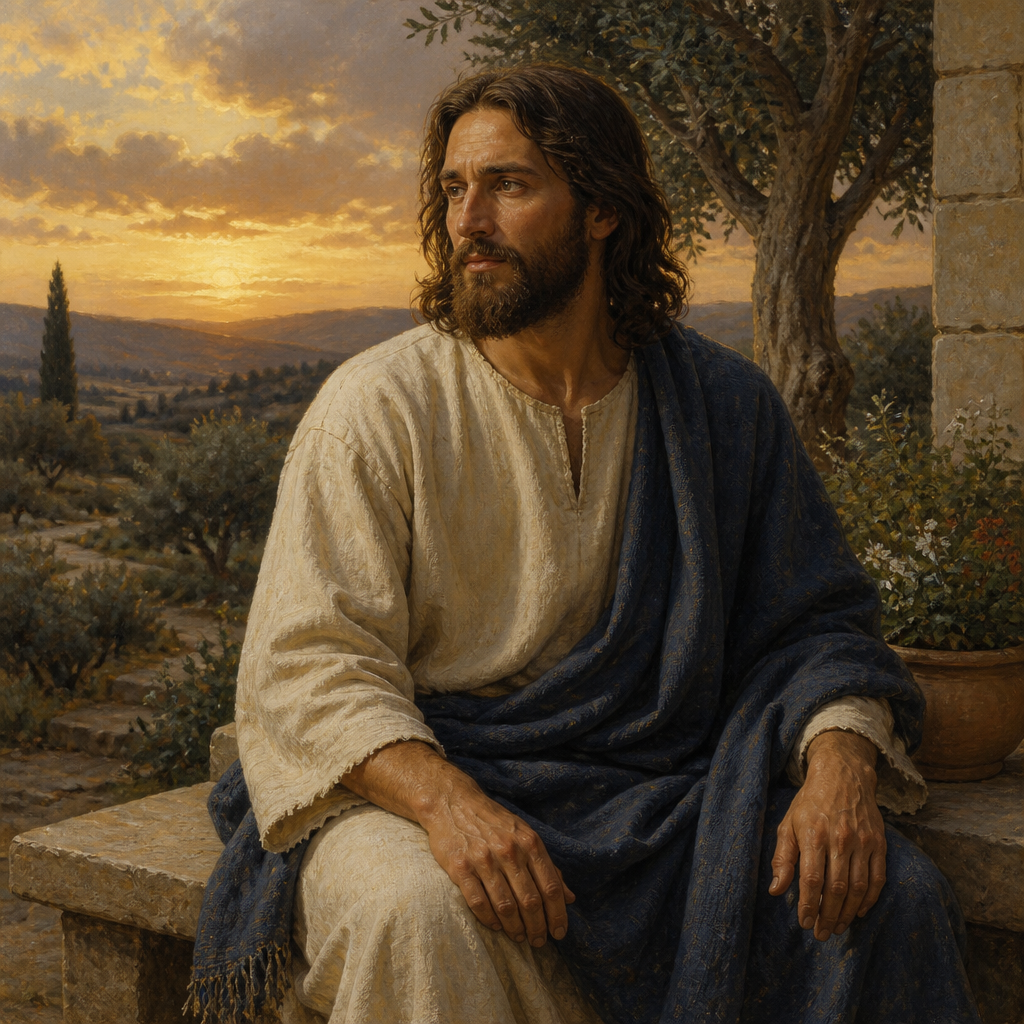
Jesus
Teacher and healer of her mother

Paul the Apostle
Contemporary who wrote about her rights
Categories
Mentions by Book
- 1 Corinthians1
- Matthew1
Family & Relationships
Spouse / partner
Matthew 8:14
Spouse / partner
Matthew 4:18
Parent
Matthew 8:14