Simon the Sorcerer of Samaria
A practitioner of magic in Samaria who converted to Christianity and attempted to purchase the power of the Holy Spirit from the apostles.
Simon the Sorcerer, often historically referred to as Simon Magus, was a prominent figure in the city of Samaria during the early years of the Christian church's expansion. Prior to the arrival of the gospel, Simon had achieved significant local fame and influence through the practice of sorcery, leading the Samaritans to regard him as a manifestation of divine power, often called 'the Great Power of God.' His influence was so pervasive that people of all social standings followed his lead and were astonished by his occultic displays.
Upon the arrival of Philip the Evangelist in Samaria, the spiritual landscape shifted. The miracles performed by Philip—healing the paralyzed and casting out spirits—surpassed Simon’s magical arts in both nature and authority. Simon himself became a believer, was baptized, and began to follow Philip closely, reportedly astounded by the signs and miracles he witnessed. However, his subsequent interactions with the apostles Peter and John revealed a profound misunderstanding of the nature of God's grace and the ministry of the Holy Spirit.
Background and Ministry in Samaria
Simon first appears in the biblical record in Acts 8 as a practitioner of magic (mageuōn) who had long held the attention of the Samaritan people. The text indicates that he possessed a high degree of self-importance, claiming to be "someone great" (Acts 8:9). His success was substantial enough that the entire population, from the least to the greatest, viewed his works as a direct extension of divine authority. In the cultural context of the 1st century AD, sorcery often involved a mixture of illusion, astrology, and invocation of spirits, which Simon used to maintain a position of social and spiritual dominance.
Conversion and Observation of Philip
The arrival of the Christian message through Philip marked a turning point. As the Samaritans believed Philip’s preaching regarding the kingdom of God and the name of Jesus Christ, they were baptized. The biblical account states that "Even Simon himself believed and was baptized" (Acts 8:13). Following his baptism, Simon became a constant companion to Philip. His motivation, however, is presented with a specific focus: he was "astounded by the great signs and miracles he observed." This suggests that while he had joined the movement, his primary interest remained fixed on the visible manifestations of power rather than the internal transformation of the gospel.
The Encounter with Peter and John
When the apostles in Jerusalem heard of the Samaritan conversion, they sent Peter and John to pray for the new believers to receive the Holy Spirit. As the apostles laid their hands on the converts, the Holy Spirit was visibly or tangibly manifested. Witnessing this, Simon approached the apostles not with a request for prayer, but with a commercial proposition. He offered them money, saying, "Give me this power also, so that everyone on whom I lay my hands may receive the Holy Spirit" (Acts 8:19).
Peter’s response was a severe rebuke, condemning Simon’s attempt to treat the gift of God as a commodity. Peter stated that Simon’s heart was "not right before God" and described him as being "in the gall of bitterness and in the bondage of iniquity" (Acts 8:21-23). This confrontation led to a term still used in ecclesiastical history, "simony," which refers to the buying or selling of sacred offices or privileges.
Conclusion of the Biblical Narrative
The biblical record of Simon concludes with his reaction to Peter’s warning of impending judgment. Rather than offering a prayer of repentance himself, Simon asked the apostles to intercede for him: "Pray to the Lord for me, so that nothing you have said may happen to me" (Acts 8:24). The text does not provide further details on his subsequent life or whether his repentance was genuine, leaving him as a cautionary figure regarding the intersection of personal ambition and divine power.
Spiritual Significance
Simon the Sorcerer serves as a primary biblical example of the danger of approaching the gospel with a desire for personal gain or prestige. His attempt to purchase the power of the Holy Spirit highlights the absolute distinction between the sovereign gifts of God and the manipulative practices of worldly magic or commercialism. The rebuke he received from Peter establishes the principle that the Holy Spirit is a gift received through faith, not a tool to be wielded for influence.
Theological discourse surrounding Simon often focuses on the nature of his 'belief.' While the text says he believed, his subsequent actions showed a heart still captive to old patterns of thought. This narrative provides an essential early church precedent for discerning the motives of those who seek leadership or spiritual authority within the Christian community, emphasizing that true conversion requires a redirection of the heart away from self-exaltation.
Frequently Asked Questions
What is 'simony'?
Simony is the act of buying or selling ecclesiastical offices or spiritual privileges. The term is derived from Simon the Sorcerer's attempt to purchase the power of the Holy Spirit from the apostles Peter and John.
Did Simon the Sorcerer truly become a Christian?
Acts 8:13 states that Simon 'believed and was baptized.' However, his subsequent attempt to buy God's power led Peter to declare that his heart was not right before God, leaving his ultimate spiritual status a subject of debate among scholars.
What was the 'Great Power of God'?
This was a title the people of Samaria gave to Simon because of the sorcery he practiced, believing his magical abilities were a direct manifestation of divine energy.
How did Simon react to Peter's rebuke?
Simon asked Peter to pray for him so that the judgments Peter spoke of would not happen to him, though the Bible does not record if he personally repented.
Connected Figures
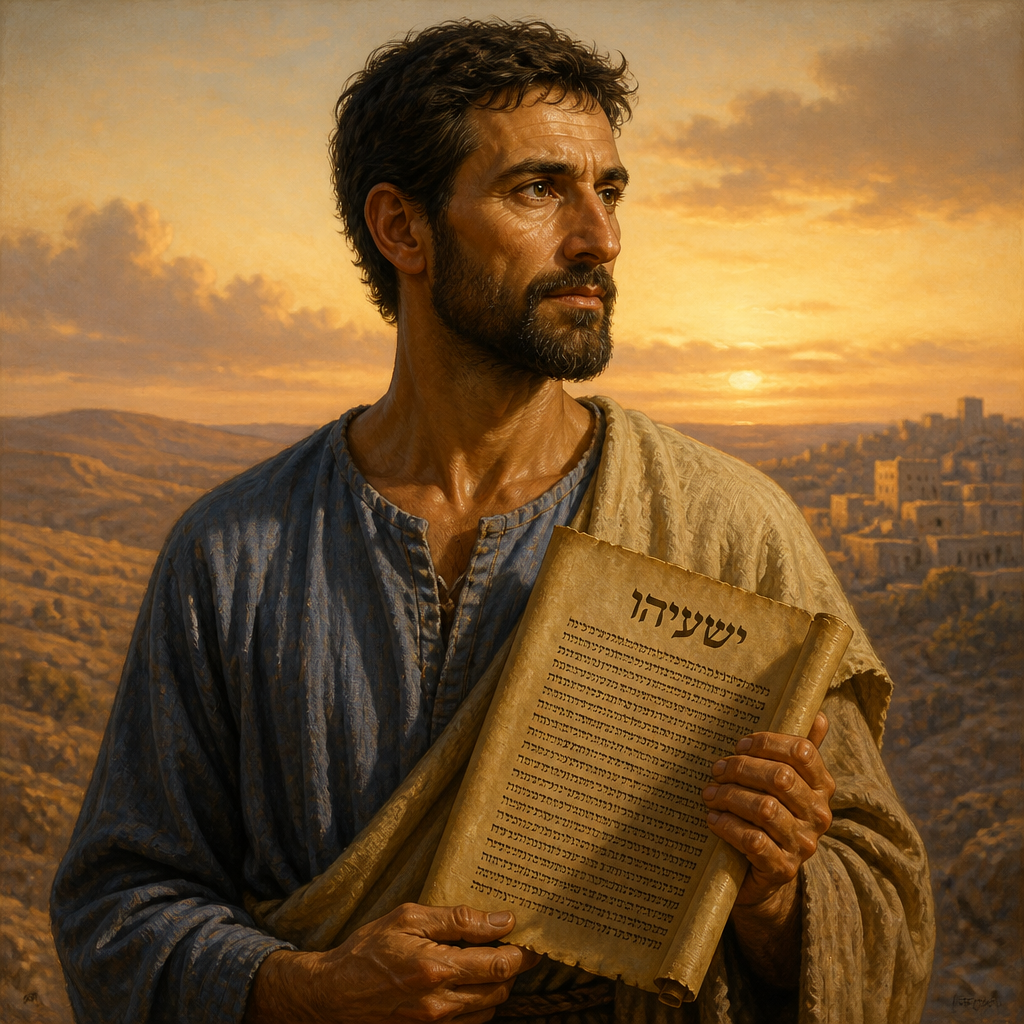
Philip the Evangelist
Teacher/Evangelist who baptized Simon
Peter the Apostle
Leader who rebuked Simon for his offer of money
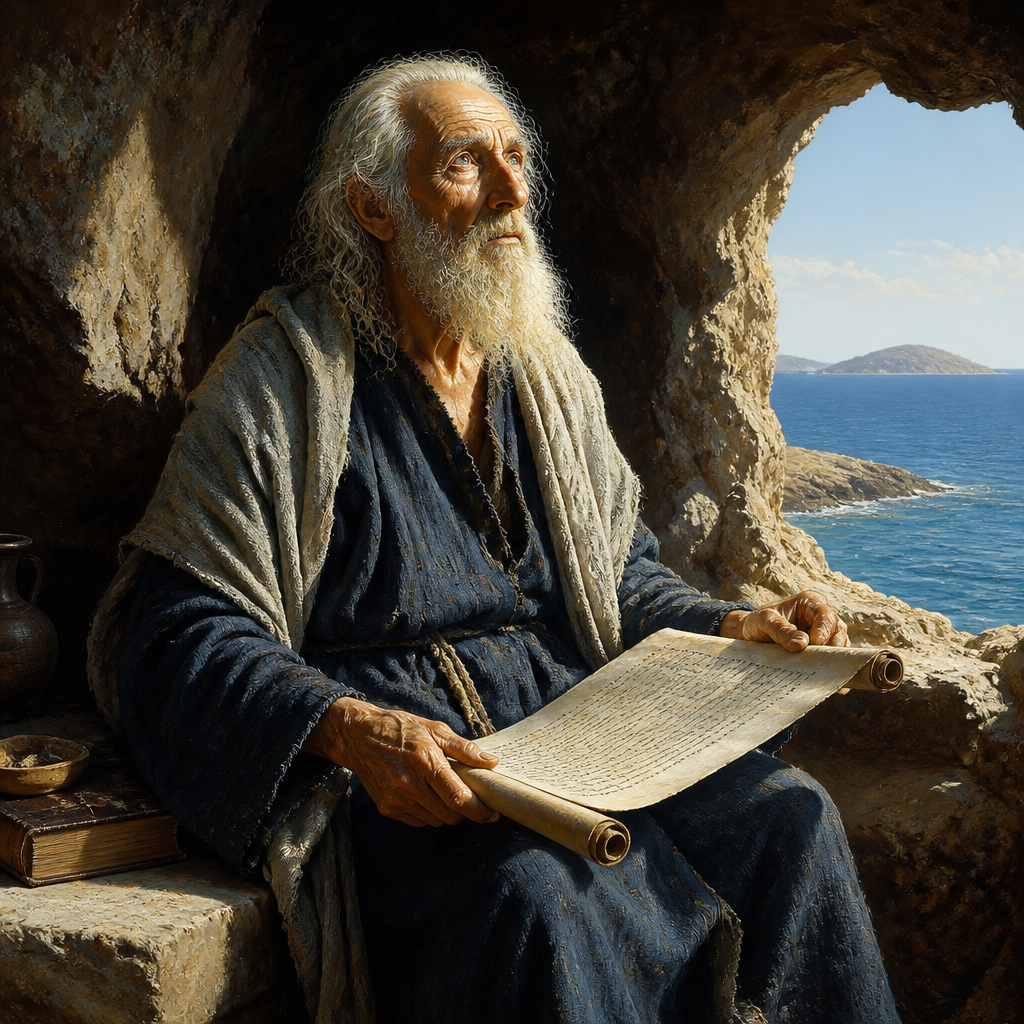
John the Apostle
Witness to Simon's attempt to buy the Holy Spirit
Categories
Mentions by Book
- Acts4
Others Named Simon the Sorcerer of Samaria
Simon the Tanner of JoppaActs 8:13
A resident of Joppa and a tanner by trade who hosted the Apostle Peter during the early expansion of the Christian church.
Simon, Father of Judas IscariotJohn 6:71
Simon, also known as Simon Iscariot, was the father of Judas Iscariot, the disciple who ultimately betrayed Jesus Christ.
Simon the LeperMatthew 26:6
A resident of Bethany and host to Jesus, Simon the Leper is famous for the dinner where a woman anointed Jesus with expensive perfume shortly before the Passion.