The Slave Girl with a Spirit of Divination
An enslaved woman in Philippi possessed by a demonic spirit of divination who was delivered by the Apostle Paul, leading to a legal conflict.
The unnamed slave girl with a spirit of divination appears in the Book of Acts during the Apostle Paul’s second missionary journey. Residing in the Roman colony of Philippi, she was held in physical bondage by human masters and in spiritual bondage by a 'spirit of divination' (Greek: pneuma pythōna). Her condition was highly profitable for her owners, as she functioned as a professional fortune-teller or oracle within the city.
While Paul and his companions, including Silas and Luke, were traveling to a place of prayer, this girl began to follow them. For several days, she publicly identified the missionaries as servants of the Most High God. Though her proclamation was factually correct, the source of her knowledge was demonic, eventually prompting Paul to intervene. The subsequent exorcism and the loss of her masters' income served as the catalyst for the first major Roman persecution recorded in the Book of Acts.
Background and Family
The biblical record provides no information regarding the girl’s name, lineage, or tribe. She is identified solely by her social and spiritual status: she was a slave (paidiskē) and she was possessed by a spirit of divination. The Greek text specifically uses the term pythōna, or a 'python spirit,' a term deeply rooted in the Hellenistic religious landscape. In Greek mythology, the Python was the serpent that guarded the Delphic oracle and was slain by Apollo. Consequently, the term came to describe a person who acted as a medium or ventriloquist, believed to be possessed by a prophetic spirit.
Her family of origin is unmentioned; however, her immediate social context was defined by her masters. Unlike typical household slaves, she was a significant commercial asset. Her ability to provide 'divination' or fortune-telling generated a 'large income' for the men who owned her. This suggests she was a well-known figure in the marketplace of Philippi, a city heavily influenced by Roman and Greek religious traditions.
Major Life Events
The girl’s interaction with the early Christian mission began as Paul and his team walked toward a place of prayer by the river. She followed them continuously, shouting, “These men are servants of the Most High God, who are proclaiming to you the way of salvation!” (Acts 16:17). While the content of her cry was accurate, her presence became a source of significant distress for the missionaries. The text notes that she persisted in this behavior for 'many days.'
Eventually, Paul became so 'aggravated' or 'greatly annoyed' that he turned and addressed the spirit directly. Invoking the authority of Jesus Christ, Paul commanded the spirit to come out of her. The scripture records that the spirit left her 'at that very moment.'
This miraculous deliverance immediately impacted the local economy. When her masters realized their 'hope of making money was gone,' they reacted with violence. They seized Paul and Silas, dragging them into the marketplace to face the authorities. This led to the missionaries being stripped, beaten with rods, and imprisoned in the inner cell of the Philippian jail. The biblical narrative focuses on the fallout for Paul and Silas, leaving the subsequent life of the liberated girl unrecorded.
Relationship to Other Biblical Figures
The girl has no recorded personal relationships other than her masters, whose names are not given. Her primary interaction is with the Apostle Paul, who acted as the agent of her deliverance. She also followed Silas, Timothy, and Luke (implied by the 'us' in Acts 16:17). Her owners are presented as antagonists to the Christian message, prioritizing financial gain over the girl's well-being or the truth of the gospel.
Spiritual Significance
The account of the slave girl is theologically significant for several reasons. First, it demonstrates the authority of the name of Jesus over the spiritual forces of the Greco-Roman world. The 'Python' spirit, associated with one of the most prestigious pagan oracles, was shown to be subordinate to the message of Christ.
Second, the episode highlights the discernment of the Apostle Paul. While the girl was technically telling the truth about Paul’s mission, he refused to accept a demonic endorsement of the gospel. This suggests that the source of testimony matters as much as the content. Finally, the story illustrates the clash between the gospel and economic systems built on exploitation. The girl’s spiritual freedom resulted in an economic loss for her masters, which in turn sparked political and physical opposition to the early Church.
Spiritual Significance
The girl’s story serves as a pivotal moment in the expansion of the Church into Europe. It marks the shift from religious debate in the synagogues to a direct confrontation with Greco-Roman paganism and the economic structures that supported it. Her deliverance proves that the Gospel is not merely a philosophy, but a power that liberates the oppressed.
Furthermore, this event highlights the legal and social vulnerabilities of the early Christians. The masters did not charge Paul with exorcism, but with 'advocating customs that are not lawful for us Romans to accept.' This established a pattern where the Gospel’s disruption of the status quo led to accusations of civil unrest.
Frequently Asked Questions
What kind of spirit did the slave girl have?
The Bible describes it as a 'spirit of divination.' In the original Greek, it is called a 'spirit of Python,' referencing a type of prophetic possession associated with the god Apollo in Greek culture.
Why was Paul annoyed by her if she was telling the truth?
While she spoke the truth, her testimony came from a demonic source. Paul likely did not want the Gospel to be associated with pagan fortune-telling or to have a demon acting as a herald for Christ.
What happened to the girl after the spirit left her?
The Bible does not provide details on her life after the exorcism. It focuses instead on the legal consequences for Paul and Silas following the loss of her masters' income.
Where did this event take place?
The event took place in Philippi, which was a leading city of the district of Macedonia and a Roman colony.
How did her owners react to her being healed?
They were furious because their source of income was gone. They seized Paul and Silas and brought them before the city authorities to be punished.
Connected Figures
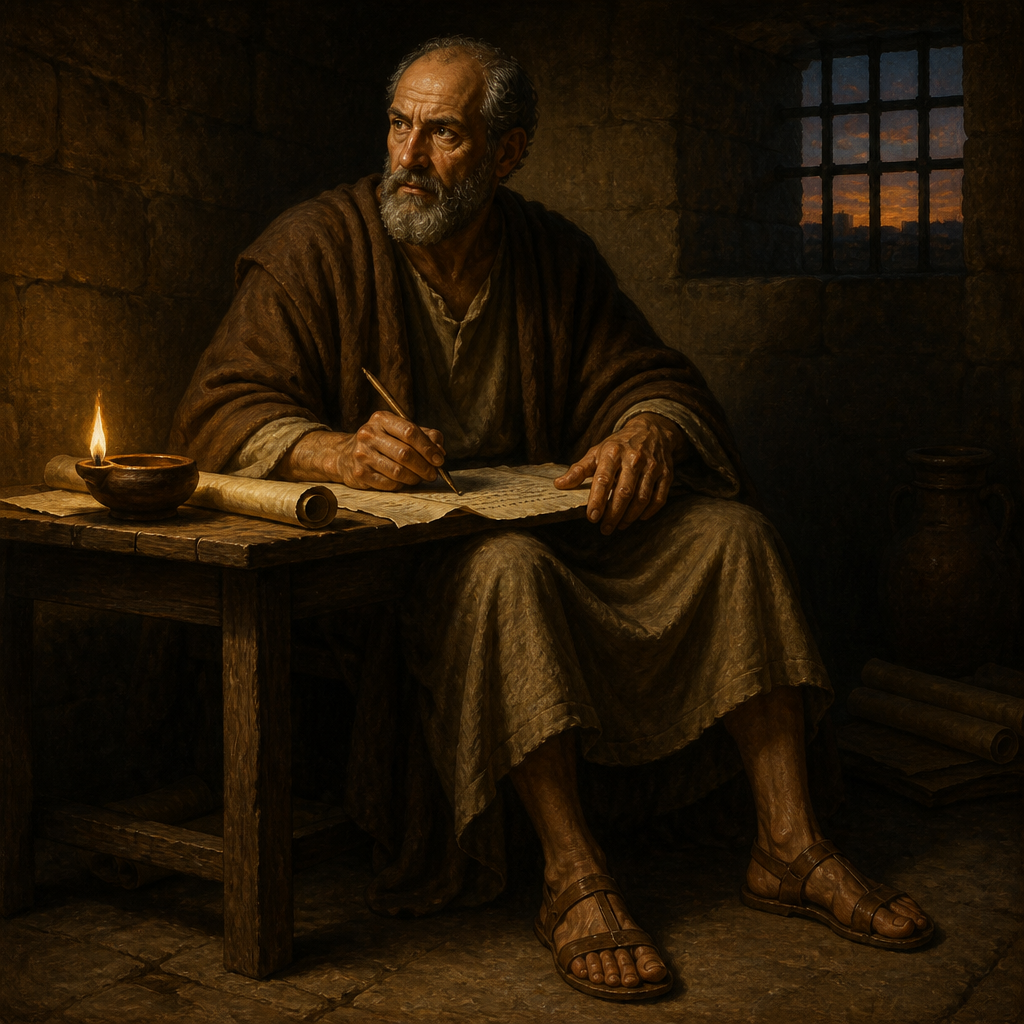
Paul the Apostle
Deliverer who cast out her spirit
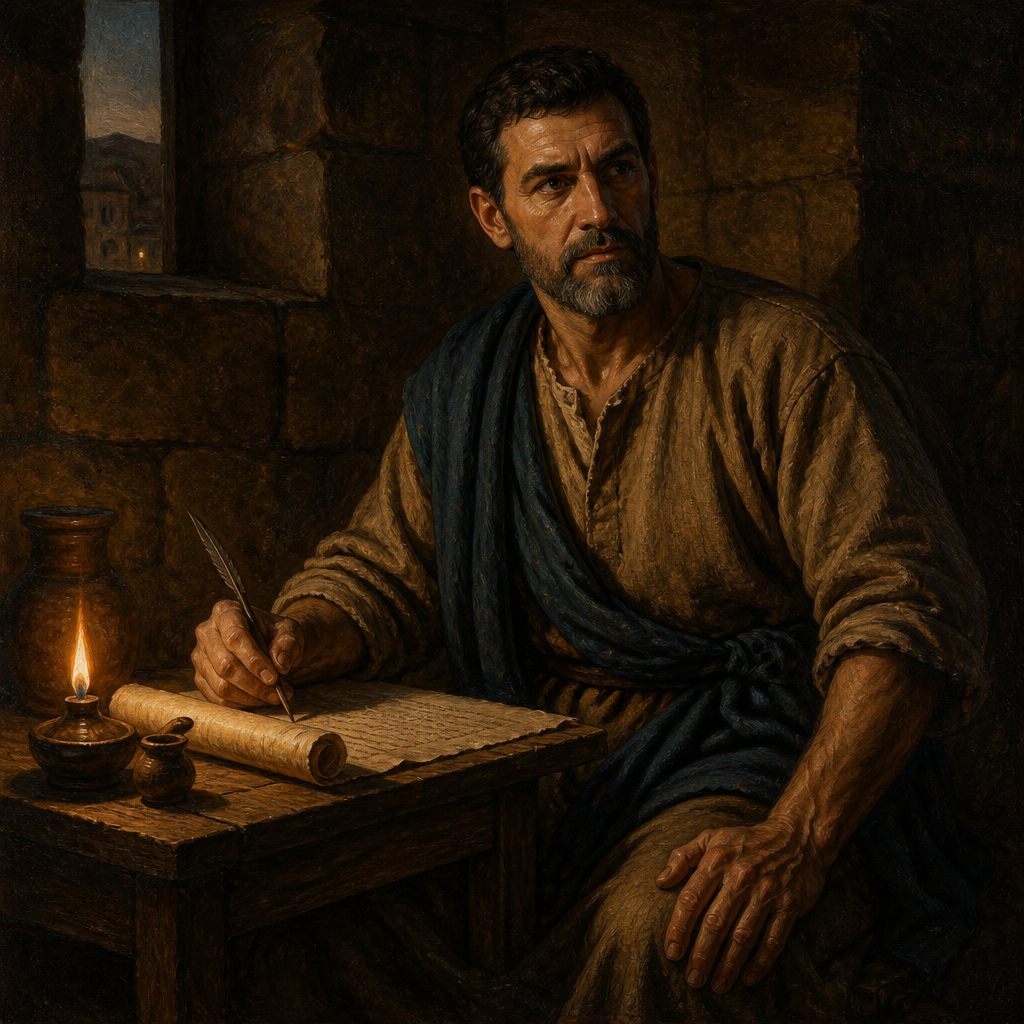
Silas
Companion of Paul who was arrested with him
Luke the Evangelist
Eyewitness and narrator of her story
Categories
Mentions by Book
- Acts4