The Silversmiths of Ephesus
A guild of Ephesian craftsmen who incited a city-wide riot against the Apostle Paul to protect their economic interests tied to the worship of the goddess Artemis.
The Silversmiths of Ephesus were a specialized group of craftsmen in the Roman province of Asia whose livelihoods were inextricably linked to the cult of Artemis. Operating in one of the most significant religious and commercial hubs of the ancient world, these artisans produced silver shrines and votive offerings for the Temple of Artemis, one of the Seven Wonders of the Ancient World. Their primary biblical appearance occurs in Acts 19, where they serve as a collective antagonist to the spread of Christianity in the mid-1st century AD.
Led by a man named Demetrius, the guild became the catalyst for a massive civil disturbance that threatened the safety of the Apostle Paul and his companions. Their opposition was not primarily theological, but economic; they feared that the Christian message—which decried man-made gods—would render their craftsmanship obsolete and diminish the prestige of their city. This encounter represents a pivotal moment in the New Testament, illustrating the tension between the early Church and the established commercial-religious systems of the Roman Empire.
Background and Industry
During the 1st century AD, Ephesus was the preeminent city of Asia Minor, serving as a center for both government and religion. The city’s identity was centered on the Great Temple of Artemis (or Diana, in the Roman pantheon). The silversmiths formed a vital part of the local economy by manufacturing silver miniatures of the goddess’s temple or the goddess herself. These items were purchased by pilgrims and locals alike, either as religious souvenirs or as votive offerings to be left at the temple.
According to Acts 19:24-25, this industry brought "much business" to the craftsmen and was their primary "source of prosperity." The silversmiths were not merely independent laborers but functioned as a collective force, likely organized into a formal guild typical of Roman urban centers. Their influence extended beyond their own workshops to "workmen in related trades," suggesting a broad manufacturing network dedicated to the Ephesian cult.
The Conflict with the Way
The Apostle Paul spent approximately three years in Ephesus, teaching that "man-made gods are no gods at all" (Acts 19:26). As his message, referred to as "the Way," gained traction, the silversmiths noticed a decline in the demand for their silver shrines. This downturn was not limited to the city of Ephesus but was felt throughout "nearly the whole province of Asia."
Demetrius, acting as a spokesman for the guild, convened a meeting of the craftsmen. His rhetoric skillfully blended economic anxiety with religious fervor. He argued that their business was in danger of falling into disrepute and, more significantly, that the majesty of Artemis was being deposed. By framing the financial threat as a defense of the goddess, he successfully mobilized the craftsmen into a state of rage.
The Ephesian Riot
The indignation of the silversmiths quickly escalated into a city-wide disturbance. The craftsmen began shouting, "Great is Artemis of the Ephesians!"—a rhythmic chant that fueled the mob's energy (Acts 19:28). The crowd rushed into the Great Theatre, a massive structure capable of holding 25,000 people. In the chaos, the mob seized two of Paul’s Macedonian companions, Gaius and Aristarchus.
For two hours, the assembly remained in a state of confusion. The biblical record notes that many participants did not even know why they had gathered, yet they continued the rhythmic chanting of the goddess’s name (Acts 19:32-34). The tension was high enough that Paul’s own disciples and even some friendly provincial officials (Asiarchs) urged him not to enter the theatre for fear of his life.
Resolution by the City Clerk
The riot was eventually quelled not by the apostles, but by the Ephesian city clerk. His speech to the silversmiths and the mob was pragmatic and legalistic. He reminded the crowd that the status of Ephesus as the guardian of Artemis's temple was undeniable and that Paul’s companions had not actually committed sacrilege or blasphemed the goddess.
Crucially, the clerk warned the silversmiths that if they had a legitimate grievance, they should use the Roman legal system—the courts and proconsuls—rather than illegal rioting (Acts 19:38-40). He cautioned that the city was at risk of being charged with insurrection by the Roman authorities, as there was no justification for the commotion. With this warning, the assembly was dismissed, and the immediate threat to the early Church in Ephesus subsided.
Relationship to Other Biblical Figures
The silversmiths stand in direct opposition to the Apostle Paul, whose preaching directly undermined their trade. Their actions also impacted Gaius and Aristarchus, who were physically dragged into the theatre during the riot. While Demetrius is the only silversmith named, he represents the entire collective's interests. The City Clerk of Ephesus acts as the voice of reason and Roman law, effectively protecting Paul's party from the guild's wrath by upholding civic order.
Spiritual Significance
The account of the silversmiths of Ephesus serves as a primary example of the 'clash of kingdoms' in the New Testament. It demonstrates that the Gospel was not merely a private spiritual matter but a public force capable of disrupting entire local economies and social structures. The silversmiths represent the 'world system' where financial gain is prioritized over spiritual truth, and where religious tradition is often used as a cloak for economic preservation.
Furthermore, the narrative highlights the protection the early Church occasionally received through the administrative order of the Roman Empire. By showing that the Christians had not broken any laws or robbed any temples, the text emphasizes the innocence of the Christian movement in the eyes of civil law, contrasting the legal conduct of the believers with the lawless rioting of the idol-makers.
Frequently Asked Questions
Why were the silversmiths angry with the Apostle Paul?
They were angry because Paul's teaching that man-made gods were not real was causing a decrease in the sale of their silver shrines of Artemis, threatening their financial prosperity.
Who was the leader of the silversmiths?
Demetrius was the silversmith who organized the craftsmen and incited the riot against Paul and his companions.
What did the silversmiths shout during the riot?
They shouted 'Great is Artemis of the Ephesians!' (or 'Great is Diana of the Ephesians!') for about two hours.
How did the riot end?
The city clerk quieted the crowd, reminded them of the legal ways to settle disputes, and warned them that they could be charged with rioting by the Roman government.
Did the silversmiths succeed in stopping Paul?
While they caused a major disturbance and forced the assembly to disperse, they did not legally stop Paul; however, Paul did leave Ephesus shortly after the incident to continue his journey.
Connected Figures
Demetrius
Spokesman and fellow silversmith
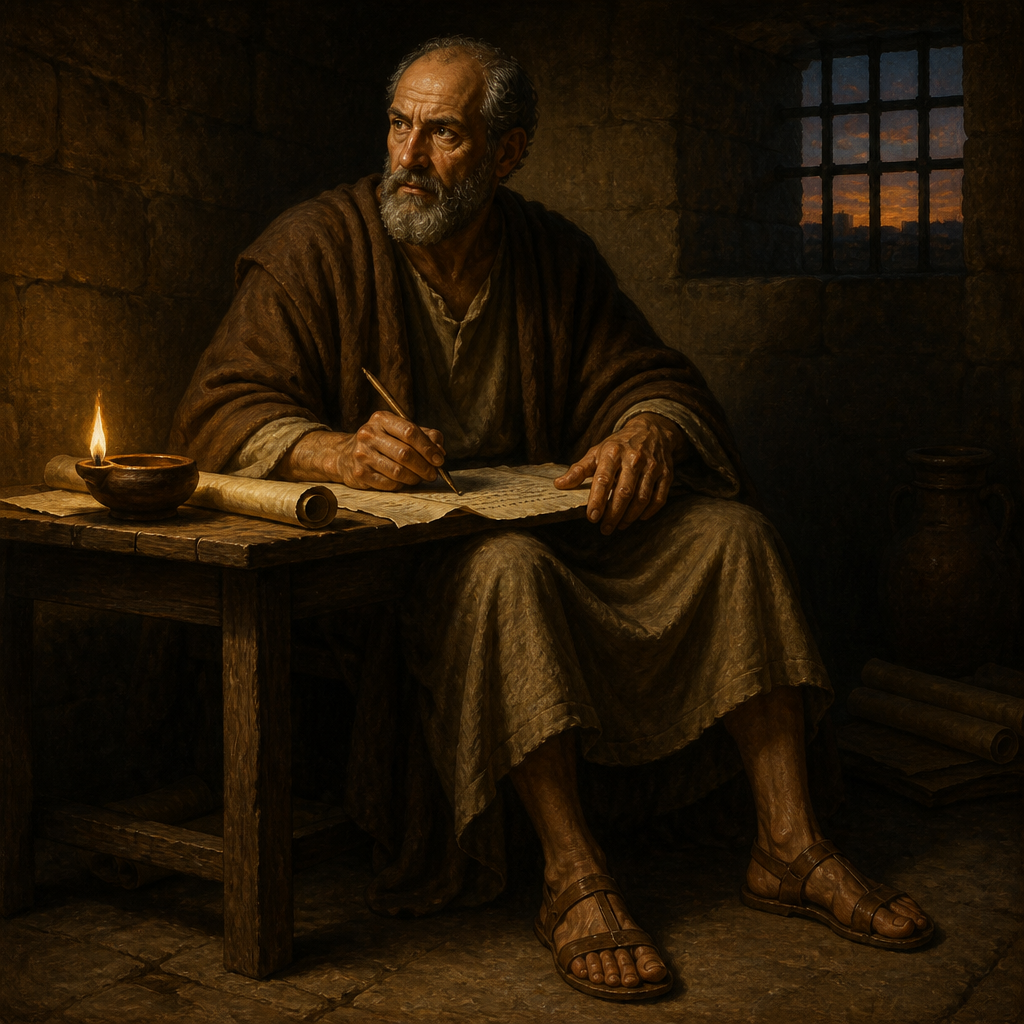
Paul the Apostle
Target of their opposition
Gaius
Macedonian companion of Paul seized by the mob
Aristarchus
Macedonian companion of Paul seized by the mob
Categories
Mentions by Book
- Acts15