The Seven Sons of Sceva
Seven brothers who attempted to cast out demons using the name of Jesus without personal faith, resulting in a violent spiritual encounter in Ephesus.
The Seven Sons of Sceva were a group of itinerant Jewish exorcists operating in Ephesus during the mid-1st century AD. As the sons of a man identified as a Jewish chief priest named Sceva, they occupied a unique social and religious position, attempting to bridge traditional Jewish practices with the emerging power manifested through the ministry of the Apostle Paul. They are best known for a failed exorcism that underscored the distinction between magical incantations and genuine spiritual authority.
Their story is recorded exclusively in the Book of Acts, serving as a pivotal moment in the narrative of the Early Church's expansion into Asia Minor. The incident highlights the collision between the burgeoning Christian movement and the deeply entrenched occult and magical traditions of Ephesus, one of the most prominent centers of religious and mystical activity in the Roman Empire.
Background and Family
The account of the Seven Sons of Sceva is situated within the narrative of the Apostle Paul’s three-year ministry in Ephesus (Acts 19). During this time, the city was a focal point for both the Jewish diaspora and various Hellenistic mystery cults. The text identifies these seven men as the sons of Sceva, who is described as a "Jewish chief priest" (Acts 19:14). While there is no record of a high priest by the name of Sceva in the official Jerusalem temple lists, the title may suggest he was a member of a high-priestly family or held a leading position within the local Ephesian Jewish community.
The brothers are described as "itinerant Jewish exorcists," a term indicating they traveled from place to place offering spiritual services for a fee. In the Greco-Roman world, exorcism was often treated as a craft or a form of spiritual technology, involving the use of secret names and specific formulas to manipulate spiritual entities.
Major Life Events
During Paul's stay in Ephesus, God performed extraordinary miracles through him, such that even handkerchiefs or aprons that had touched him were used to heal the sick and drive out evil spirits. Observing these successes, the sons of Sceva attempted to incorporate the name of Jesus into their own repertoire of incantations. They began invoking the name of the Lord Jesus over those with evil spirits, using the specific formula:
“I bind you by Jesus, whom Paul proclaims.” (Acts 19:13)
This attempt to use the name of Jesus as a magical catalyst, devoid of personal faith or apostolic commission, resulted in a catastrophic failure. When they attempted this formula on a demon-possessed man, the evil spirit within the man challenged their authority. The spirit replied:
“Jesus I know, and I know about Paul, but who are you?” (Acts 19:15)
The possessed man then attacked the seven brothers with supernatural strength. The text notes that he jumped on them and "overpowered them all," inflicting such a violent assault that the seven men fled the house "naked and wounded" (Acts 19:16).
Relationship to Other Biblical Figures
The sons of Sceva have no recorded personal relationship with the Apostle Paul, despite using his name in their exorcism attempts. Their interaction is essentially parasitic; they sought to benefit from the reputation and spiritual power associated with Paul and the Jesus he preached without actually joining the Christian movement or adhering to its teachings. Their failure stands in sharp contrast to the effectiveness of Paul’s ministry, which was rooted in a genuine relationship with Christ.
Spiritual Significance
The incident involving the sons of Sceva had immediate and profound consequences for the city of Ephesus. The news of their defeat spread rapidly among both Jews and Greeks. According to Acts 19:17, "fear came over all of them," and the name of the Lord Jesus was held in high honor. The realization that the name of Jesus was not a magical tool for manipulation, but a name of supreme authority that required genuine faith, led to a massive spiritual reformation in the city.
Many of those who had practiced sorcery and magic were moved to confess their deeds publicly. They brought their expensive scrolls of incantations and burned them in a public bonfire. The total value of the destroyed books was estimated at fifty thousand drachmas—a staggering sum reflecting the scale of the occult's influence in Ephesus before this event. Thus, the failure of the seven sons of Sceva served as a catalyst for the triumph of the gospel over the prevailing culture of magic and superstition.
Spiritual Significance
The narrative of the Seven Sons of Sceva serves as a sobering warning within the New Testament regarding the nature of spiritual authority. It clarifies that the power of Jesus’ name is not a mechanical or magical force that can be wielded by anyone who knows the words; rather, it is an authority that flows from a personal relationship with Christ and a commission by the Holy Spirit. Their failure exposed the impotence of religious ritual and professional exorcism when confronted with actual spiritual darkness.
Furthermore, the episode functions as a literary and historical turning point for the Ephesian mission. By demonstrating that Jesus is not merely another deity to be added to a magician's list, the event forced the local population to choose between their occult practices and the Christian faith. The resulting bonfire of the vanities signaled a total break from the past for the Ephesian converts, establishing the Early Church's commitment to exclusive devotion to Christ.
Frequently Asked Questions
Was Sceva really a Jewish High Priest?
The Bible calls him a 'chief priest,' but his name does not appear in historical records of the High Priests in Jerusalem. He may have belonged to a high-priestly family or claimed the title as a leader of the Jewish community in Ephesus.
Why did the evil spirit attack the sons of Sceva?
The spirit recognized the authority of Jesus and the delegated authority of Paul, but it rejected the brothers because they had no personal relationship with Jesus and thus no right to use His name.
How many sons did Sceva have?
According to Acts 19:14, Sceva had seven sons who were involved in these itinerant exorcism practices.
What happened to the sons after the attack?
The Bible records that they were beaten and stripped by the demon-possessed man, causing them to flee the house 'naked and wounded.' Their subsequent fate is not mentioned.
What was the result of this event in Ephesus?
The event caused great fear and respect for the name of Jesus, leading many practitioners of magic to burn their expensive sorcery books and turn to Christianity.
Connected Figures
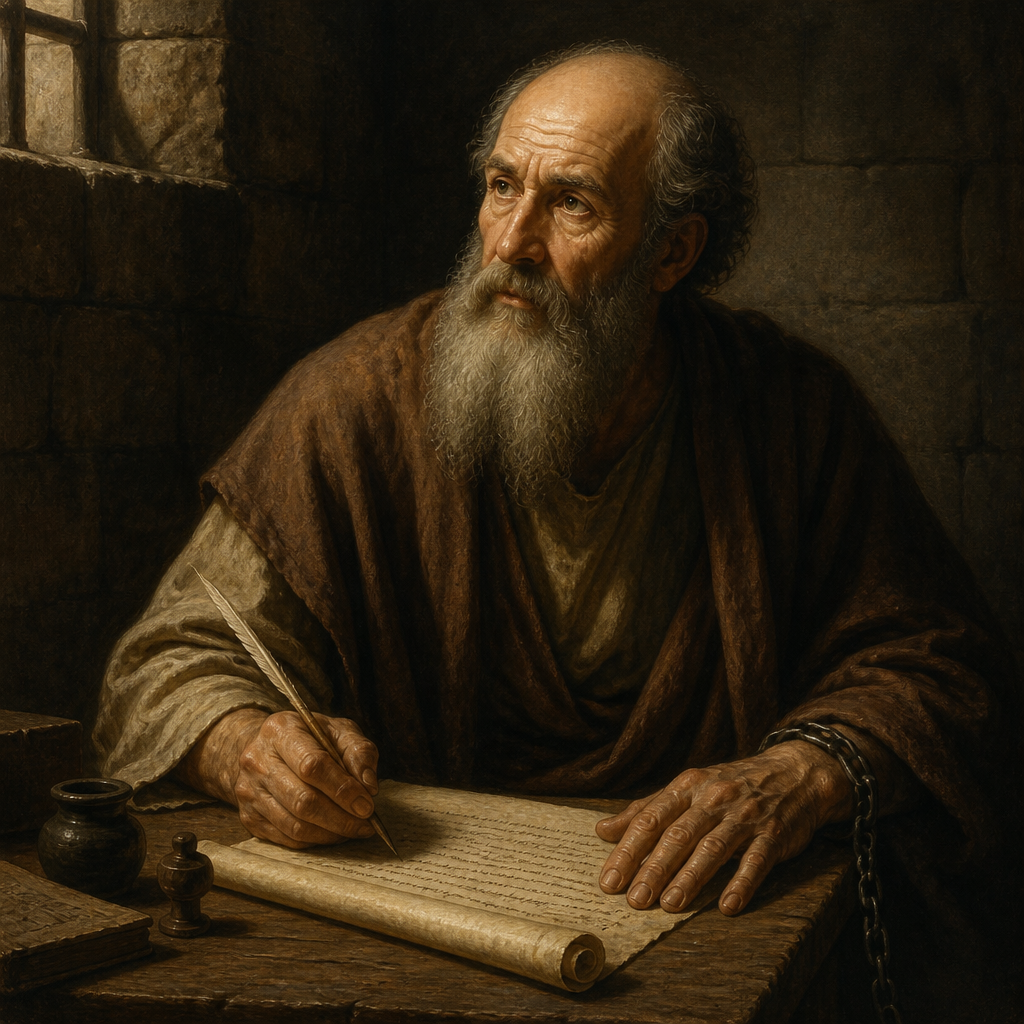
Paul
The apostle whose name they invoked in their exorcism attempts
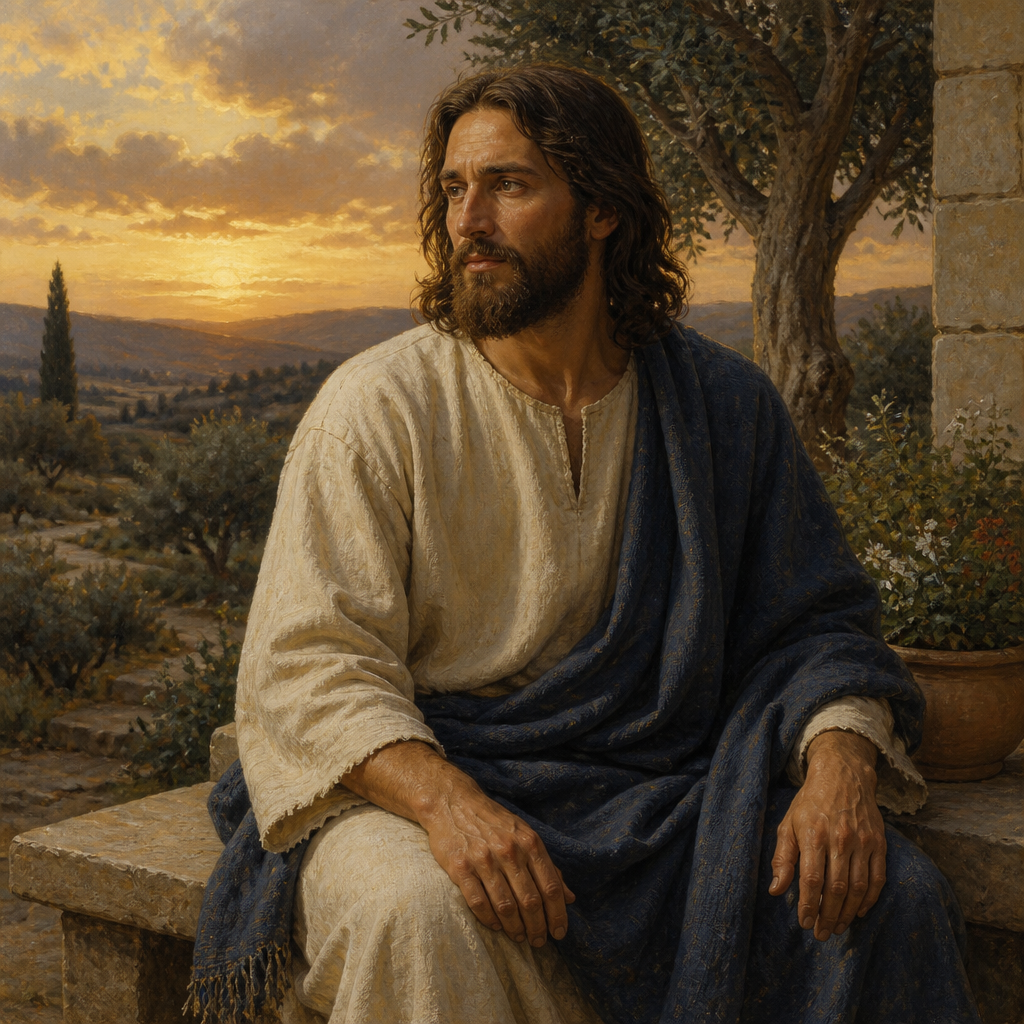
Jesus
The name they tried to use as a magical incantation
Categories
Mentions by Book
- Acts5