The Man of Macedonia
A spectral figure who appeared to the Apostle Paul in a vision at Troas, pleading for the gospel to be brought to the region of Macedonia.
The Man of Macedonia is a figure appearing exclusively within a night vision granted to the Apostle Paul during his second missionary journey. While he is not described as a historical human being whom Paul met in the flesh, his appearance serves as one of the most significant turning points in the narrative of the Book of Acts. His brief, urgent plea functions as the divine catalyst that redirected the early Christian mission from Asia Minor toward Europe.
In the biblical account, Paul and his companions had been repeatedly hindered by the Holy Spirit from entering certain provinces in Asia. Upon reaching the coastal city of Troas, the vision of the Man of Macedonia appeared, providing the clarity and direction the missionary team required. The figure's identity remains anonymous and his physical description is absent, yet his impact on the geographical expansion of the early church is profound.
Background and Context
The appearance of the Man of Macedonia occurs during a period of vocational uncertainty for the Apostle Paul. According to Acts 16, Paul and Silas (later joined by Timothy and Luke) had attempted to preach the gospel in Phrygia, Galatia, and Bithynia, but were restricted by the Holy Spirit. This series of closed doors led them to the port city of Troas. It is within this vacuum of direction that the vision occurs, serving as a supernatural intervention to guide the apostolic mission.
The Vision at Troas
Acts 16:9 records the specific details of the encounter. During the night, Paul saw a vision of a man described as being "of Macedonia." The text does not explain how Paul recognized the man's nationality—whether by his dress, his dialect, or perhaps a divine internal realization. The man was standing and "pleading" (Greek: parakalon) with Paul, issuing a direct and concise request:
"Come over to Macedonia and help us." (Acts 16:9, BSB)
The brevity of the message underscores the urgency of the spiritual need in the region. There are no recorded relationships for this figure, as he exists solely within the context of Paul’s revelatory experience.
Response and Journey
The immediate aftermath of the vision is noted in Acts 16:10. The author of Acts, traditionally identified as Luke, shifts the narrative to the first-person plural ("we"), indicating he was present at this juncture. The missionary team interpreted the vision not as a mere dream, but as a formal call from God. They concluded that the "help" requested by the man was specifically the preaching of the gospel. This prompted an immediate departure from Troas across the Aegean Sea to Samothrace, Neapolis, and eventually Philippi, the leading city of the district of Macedonia.
Spiritual and Historical Significance
While the Man of Macedonia appears in only two verses, his role is central to the history of Western Christianity. By following this vision, Paul crossed from Asia into Europe. This move resulted in the establishment of the first European churches, including those in Philippi, Thessalonica, and Beroea.
In theological discourse, the "Macedonian Call" has become a standardized metaphor for missionary urgency and the divine direction of ministry. The figure represents the unspoken spiritual hunger of the Gentile world and serves as a reminder of the Holy Spirit's sovereignty in the timing and location of evangelistic efforts. The lack of personal detail regarding the man ensures that the focus remains on the call itself and the subsequent obedience of the apostles.
Spiritual Significance
The theological significance of the Man of Macedonia lies in his role as a messenger of divine redirection. He represents the transition of the gospel message across continental boundaries, marking the moment the Christian faith began its westward expansion into the Greco-Roman heartland of Europe. His presence in the text emphasizes that the growth of the early church was not merely the result of human planning, but was orchestrated by specific revelatory interventions from God.
Furthermore, the Man of Macedonia serves as the quintessential symbol of the 'Missionary Call.' His plea, 'Come over and help us,' has been utilized for centuries in Christian liturgy and missions to describe the conviction that a specific people group or geographic region is being opened by God for spiritual outreach. He remains an enduring figure of the 'Visions of Revelation' category, acting as a bridge between the restricted work in Asia and the fruitful mission in Macedonia.
Frequently Asked Questions
Was the Man of Macedonia a real person Paul met?
No, the Bible describes him specifically as a figure in a 'vision' (Acts 16:9) seen during the night, rather than a physical person Paul encountered in the streets of Troas.
How did Paul know the man was from Macedonia?
The text does not specify. It may have been through the man's distinct clothing, his accent, or a direct revelation from the Holy Spirit during the vision.
What kind of help was the man asking for?
While the man asked for 'help' generally, Acts 16:10 clarifies that Paul and his companions interpreted this as a call to 'preach the gospel to them.'
Where did the vision take place?
The vision occurred while Paul was in the city of Troas, a major port on the northwest coast of Asia Minor (modern-day Turkey).
What happened immediately after this vision?
Paul and his companions immediately sought passage to Macedonia, sailing to Samothrace and then to Neapolis, eventually arriving in Philippi.
Connected Figures
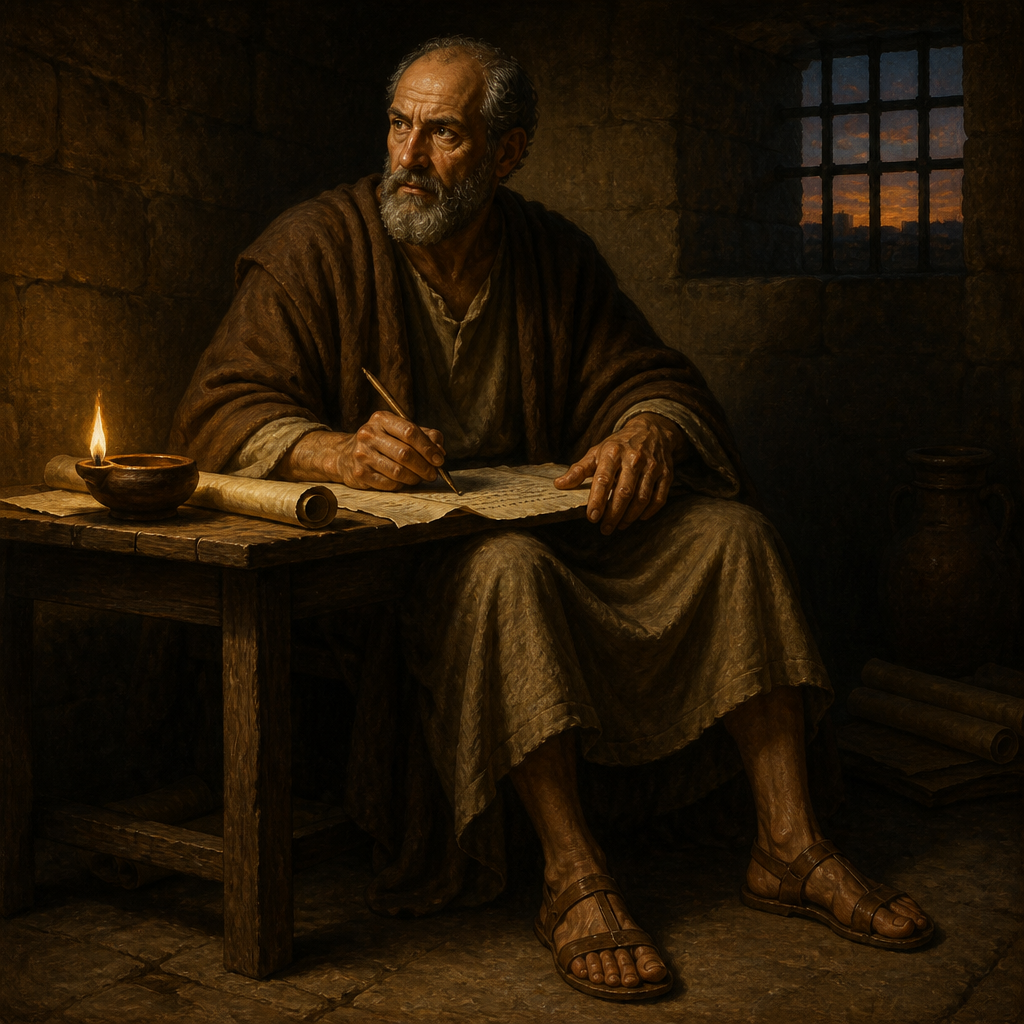
Paul the Apostle
Recipient of the vision
Luke the Evangelist
Narrator and traveling companion who responded to the vision
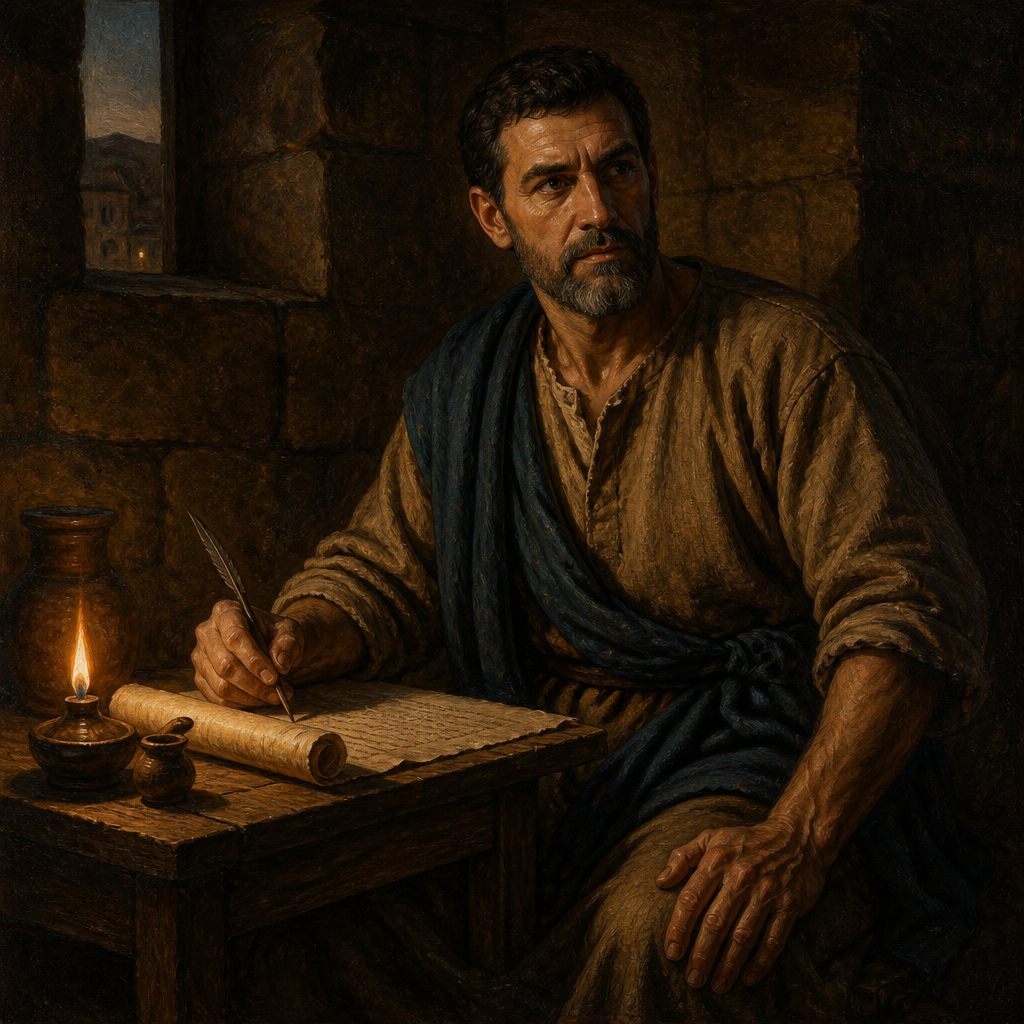
Silas
Missionary companion who traveled to Macedonia following the vision
Categories
Mentions by Book
- Acts2