The Islanders of Malta
A hospitable group of people on the island of Malta who cared for the Apostle Paul and his companions following a shipwreck during his journey to Rome.
The Islanders of Malta appear in the New Testament book of Acts, specifically in the final chapter, following the shipwreck of the vessel transporting the Apostle Paul to Rome. Identified by the author of Acts as people who spoke a non-Greek language, these inhabitants are characterized primarily by their 'extraordinary kindness' toward the 276 survivors of the wreck. Despite the cold and rainy conditions of the Mediterranean winter, they immediately provided fire and shelter for the group.
Their interaction with Paul is marked by a shift from superstitious judgment to profound reverence. Initially, they interpreted a viper's bite on Paul's hand as a sign of divine justice for a supposed murderer; however, when he suffered no ill effects, they concluded he was a deity. This group eventually became the beneficiaries of a healing ministry led by Paul, which extended from the household of their chief official, Publius, to the general population of the island. Their inclusion in the biblical narrative serves as a testament to the reception of the Gospel and the miraculous power of God among those outside the formal structures of Roman or Jewish society.
Background and Context
The account of the Islanders of Malta (Acts 28:1-10) takes place during the Early Church era, specifically during the Apostle Paul’s final recorded journey as a prisoner of Rome around 60 AD. The island, located south of Sicily, was then a part of the Roman Empire, though the inhabitants were likely of Phoenician or Punic descent. The Greek text refers to them as barbaroi, a term that did not imply 'barbarians' in the modern sense but simply indicated they were non-Greek speakers.
Upon landing on the shores of Malta—traditionally identified as St. Paul's Bay—the survivors of the shipwreck were met by a community that was highly organized and remarkably hospitable. The biblical record highlights the immediate response of the locals, who kindled a large fire to combat the hypothermia and exhaustion of the travelers. This act of service forms the foundation of their identity in the New Testament record.
Major Life Events
The Incident of the Viper
As Paul assisted in gathering wood for the fire, a viper, driven out by the heat, fastened itself to his hand. The Islanders observed this and immediately formulated a theological interpretation based on their local customs or religious beliefs. They reasoned that because Paul had survived a shipwreck only to be bitten by a venomous snake, he must be a murderer whom 'Justice' (possibly a reference to the Greek goddess Dike) would not allow to live. This reaction indicates a strong, albeit primitive, sense of moral cause and effect within their culture.
However, when Paul shook the snake into the fire and remained unharmed, the Islanders underwent a rapid shift in perspective. After watching him for a long time and seeing no swelling or sudden death, they 'changed their minds' and declared him to be a god. This reflects the volatility of their religious understanding but also their openness to the miraculous.
The Healing of Publius’ Father and the Sick
The narrative transitions from the shore to the estate of Publius, described as the 'chief official of the island.' For three days, Publius hosted Paul’s party. During this time, the father of Publius fell ill with a fever and dysentery. Paul visited the man, prayed, and laid hands on him, resulting in an immediate cure.
This miracle sparked a significant movement among the Islanders. Word spread quickly, and 'the rest of the sick on the island' came to Paul and were cured. This suggests a period of intense ministry on the island that lasted approximately three months until the winter passed and navigation became safe again.
Relationship to Other Biblical Figures
The Islanders’ primary relationship in the text is with the Apostle Paul and his traveling companions, which included the physician Luke (the traditional author of Acts, evidenced by the 'us' pronouns in the text). Their relationship was one of mutual benefit: the Islanders provided physical sustenance and hospitality, while Paul provided spiritual authority and physical healing.
They also maintained a structured social relationship with Publius, their chief official. The cooperation between the common islanders and their leader in welcoming the ship-wrecked crew suggests a cohesive and peaceful society.
Spiritual Significance
The presence of the Islanders of Malta in the Book of Acts is significant for several theological reasons. First, it demonstrates the fulfillment of Christ’s promise in Mark 16:18 that believers would 'pick up snakes with their hands' without being harmed. Second, it highlights the 'extraordinary kindness' of those who did not yet know the Gospel, suggesting a universal capacity for grace and hospitality.
Finally, the departure of the group from Malta is marked by the Islanders honoring the apostles 'in many ways' and supplying all their needs for the remainder of their journey. This transformation—from viewing Paul as a murderer, to a god, and finally as a messenger to be honored and provisioned—illustrates the impact of the miraculous power of God on a pagan population. While the text does not explicitly record the founding of a church, the healing of all the sick on the island provides a strong historical tradition for the early Christianization of Malta.
Spiritual Significance
The Islanders of Malta represent the providential care of God for His messengers even in the midst of disaster. Their inclusion in the Lucan narrative emphasizes that the Gospel is not limited to the intellectual centers of the world like Athens or the religious centers like Jerusalem, but extends to the 'ends of the earth,' including those considered 'barbarians' by the Greco-Roman world. Their hospitality stands in stark contrast to the rejection Paul often faced from his own countrymen.
Theologically, the Islanders provide a case study in natural theology and its limitations. They recognize a moral order (Justice) and a supernatural realm, but they misinterpret the specifics until the healing power of Christ is demonstrated through Paul. Their generous provisioning of the mission as Paul leaves for Rome underscores the biblical theme of the Gentiles bringing their wealth and honor to the service of God’s kingdom.
Frequently Asked Questions
Why does the Bible call the Islanders of Malta 'barbarians'?
The term used in the original Greek is 'barbaroi,' which referred to people who did not speak Greek. In the 1st century AD, this was a linguistic designation rather than a comment on their level of civilization or morality.
How long did Paul and his companions stay with the Islanders?
They remained on the island for three months, as they had to wait for the winter season to pass before it was safe for ships to sail again (Acts 28:11).
What kind of snake bit Paul in front of the Islanders?
The Bible describes it as a 'viper.' While there are no venomous vipers on Malta today, changes in the island's ecology and deforestation over 2,000 years could account for their disappearance since the 1st century AD.
Who was the leader of the Islanders mentioned in the text?
Publius is identified as the 'chief official of the island.' He hosted Paul for three days and his father was miraculously healed by Paul.
Did the Islanders of Malta become Christians?
The Bible does not explicitly state that they were baptized or that a church was formed, but it records that Paul healed all the sick on the island, and tradition holds that this led to the birth of the Maltese Christian community.
Connected Figures
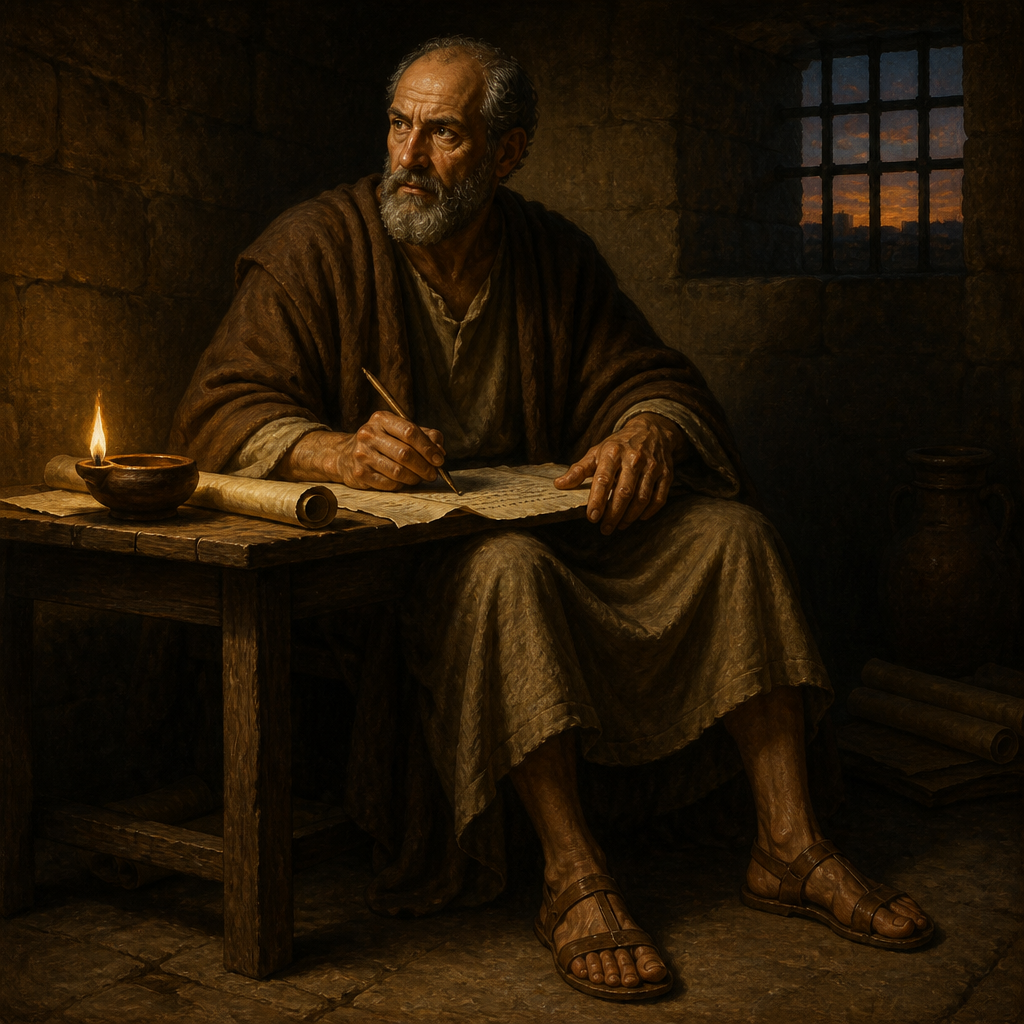
Paul the Apostle
Survivor of the shipwreck whom they helped
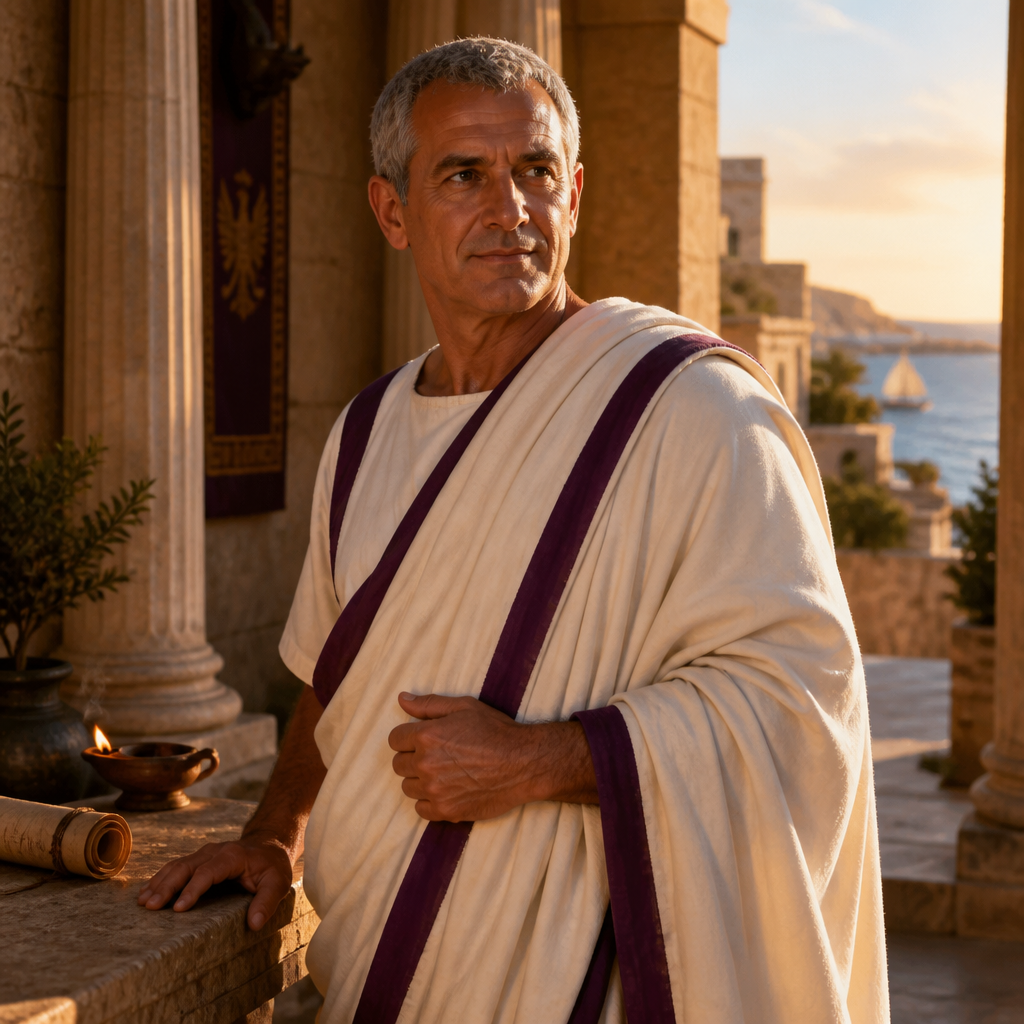
Publius
Chief official of the island and their leader
Luke the Evangelist
Companion of Paul and witness to their kindness
Categories
Mentions by Book
- Acts10