Lydia
A wealthy businesswoman and dealer in purple cloth from Thyatira who became the first documented convert to Christianity in Europe.
Lydia was a prominent woman in the city of Philippi during the mid-1st century AD. Originally from Thyatira, a city in Asia Minor famous for its dye industry, she was a professional merchant dealing in high-value purple textiles. The Book of Acts identifies her as a 'worshiper of God,' a term typically used for Gentiles who were attracted to the monotheism and ethical teachings of Judaism without becoming full proselytes.
Her encounter with the Apostle Paul marks a pivotal moment in the expansion of the early church. Upon hearing Paul’s message by a riverside, Lydia and her entire household were baptized, establishing her home as the primary hub for the fledgling Christian community in Philippi. She is characterized by her hospitality and her immediate response to the gospel message.
Background and Family
Lydia is introduced in the biblical narrative during the Apostle Paul’s second missionary journey (c. 50–52 AD). While the text does not provide her lineage or tribal affiliation, it specifies her origin in Thyatira, a city in the province of Lydia (Lydian territory) in Asia Minor. Her name itself may be an ethnonym, meaning "the Lydian woman," suggesting her roots remained a defining part of her identity in Macedonia.
As a dealer in purple cloth, Lydia occupied a significant economic niche. Purple dye, often derived from the murex snail or the madder root, was an expensive luxury item associated with royalty, the elite, and the wealthy. Her ability to maintain a household and offer hospitality to Paul’s missionary team suggests she was a woman of independent means and social standing. No husband is mentioned in the text; she appears as the head of her own household.
Major Life Events
The biblical account of Lydia is contained within the sixteenth chapter of Acts. While Paul was in Philippi, he sought a place of prayer on the Sabbath. Since there was apparently no synagogue in the city—which required ten Jewish men—the gathering took place outside the city gates by a river.
Among those listening was a woman named Lydia, a dealer in purple cloth from the city of Thyatira, who was a worshiper of God. The Lord opened her heart to respond to Paul’s message. (Acts 16:14)
Following her conversion, Lydia and her household were baptized. She then insisted that Paul and his companions, including Silas and Luke, stay at her home, saying, "If you consider me a believer in the Lord, come and stay at my house." Her home effectively became the first "house church" in Europe. Even after Paul and Silas were imprisoned and subsequently released, they returned to Lydia’s home to encourage the believers before departing the city (Acts 16:40).
Relationship to Other Biblical Figures
Lydia’s primary relationship in the text is with the Apostle Paul and his traveling companions, Silas and Luke. Her role was that of a patron and host. By providing a base of operations for Paul, she facilitated the establishment of the Philippian church, which would later become one of Paul's most supportive and beloved congregations. The "brothers" mentioned in Acts 16:40 indicate that through her influence and hospitality, a community of believers had quickly formed around her household.
Spiritual Significance
Lydia holds a unique place in New Testament history as the first recorded convert to Christianity on the European continent. Her story highlights the inclusive nature of the early gospel, reaching across gender and economic lines. The text explicitly credits divine intervention for her conversion, noting that "the Lord opened her heart."
Her immediate transition from receiving the word to practicing hospitality demonstrates the early Christian emphasis on the home as a center for ministry. As a woman of business and faith, Lydia serves as a model of the "godly merchant" whose resources are dedicated to the advancement of the church.
Spiritual Significance
Lydia is significant as the first convert to Christianity in Europe, marking the successful westward expansion of the gospel from Asia into Macedonia. Her conversion demonstrates the Holy Spirit's role in personal transformation, as the text notes the Lord specifically 'opened her heart' to Paul's message. She represents the high social and economic standing of some early Christian converts, using her wealth and domestic space to support the apostles.
Furthermore, Lydia's story underscores the importance of women in the foundational stages of the early church. By hosting the first Christian assembly in Philippi, she provided the structural support necessary for the church to survive and grow in a Roman colony. Her narrative serves as a bridge between the Jewish tradition of 'God-fearers' and the new Christian identity.
Frequently Asked Questions
Where was Lydia originally from?
Lydia was originally from the city of Thyatira in Asia Minor, a region famous for its production of dyes and textiles.
What was Lydia's profession?
She was a dealer in purple cloth, a luxury trade that suggests she was a woman of significant wealth and business acumen.
What does it mean that Lydia was a 'worshiper of God'?
This term refers to a Gentile who worshipped the God of Israel and followed Jewish moral teachings but had not yet fully converted to Judaism through all traditional rites.
Who else was baptized with Lydia?
The Bible states that Lydia was baptized along with the members of her household.
What role did Lydia's house play in the early church?
Her home served as a meeting place and a source of hospitality for Paul, Silas, and the emerging group of believers in Philippi.
Connected Figures
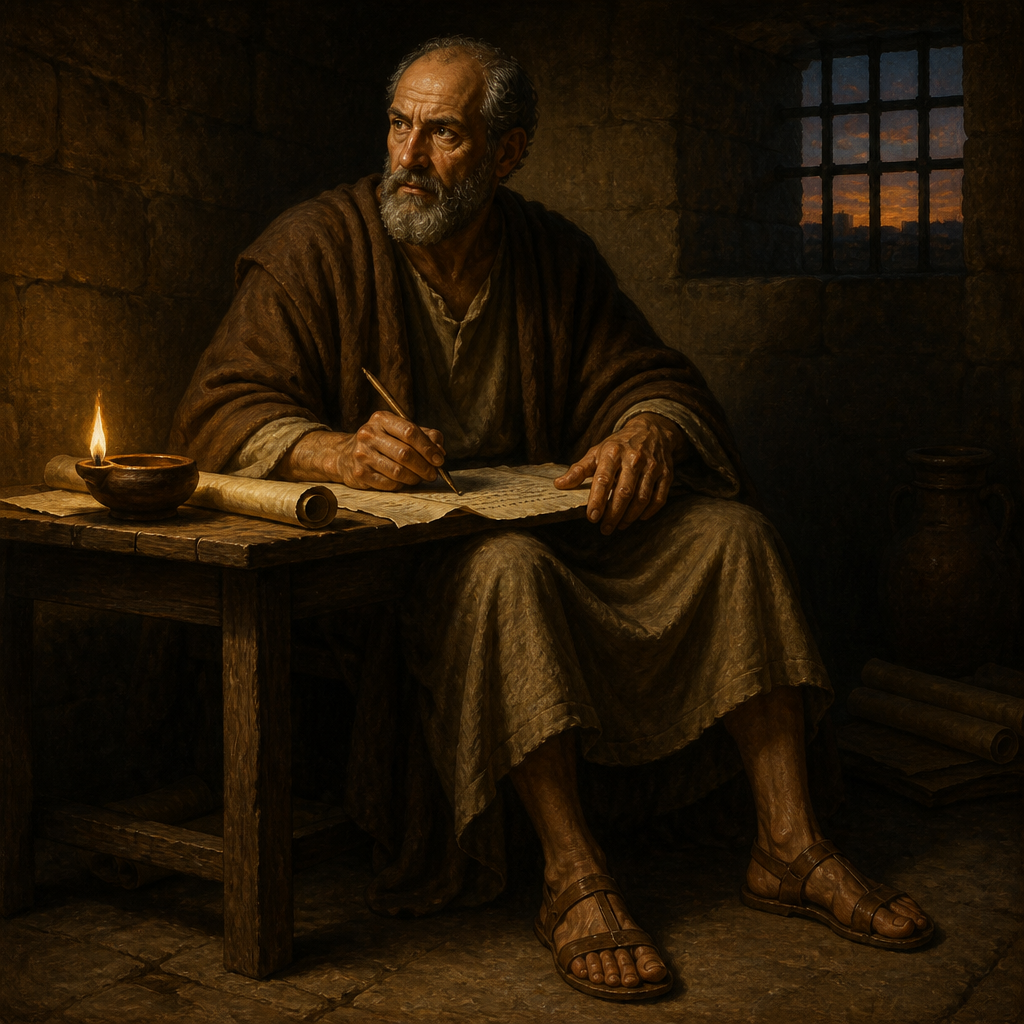
Paul the Apostle
Spiritual mentor and guest
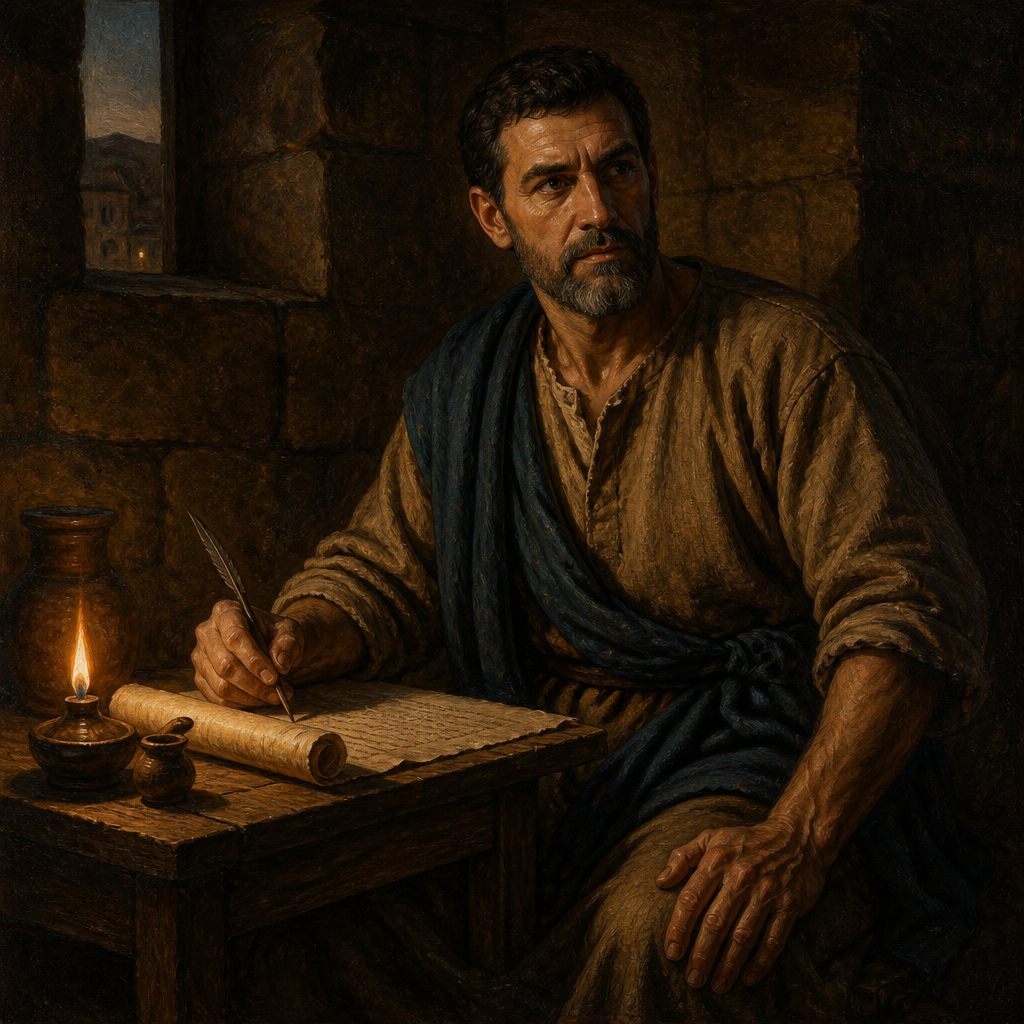
Silas
Missionary guest
Luke the Evangelist
Missionary guest and chronicler
Categories
Mentions by Book
- Acts2