Judas called Barsabbas
A prominent leader and prophet in the early Jerusalem church selected to deliver the apostolic decree to the Gentile believers in Antioch.
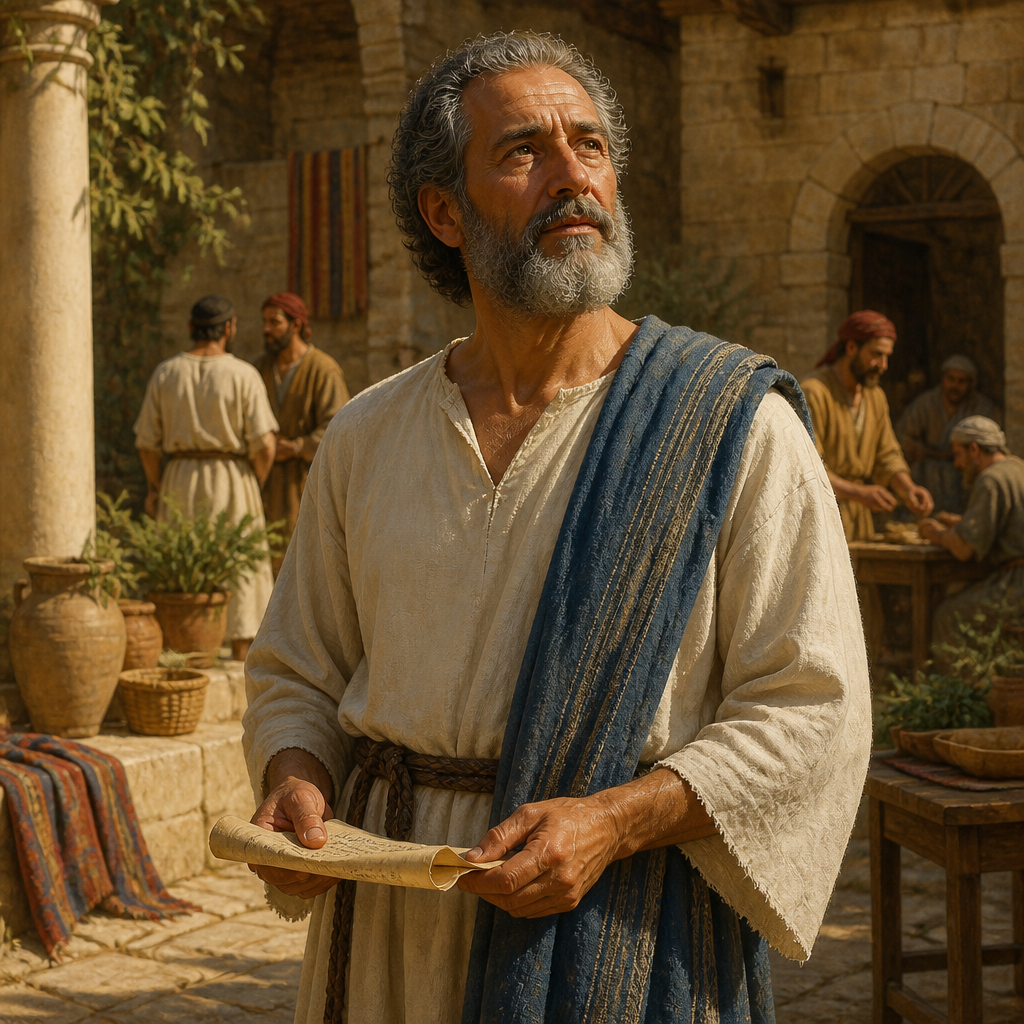
Judas, specifically identified by the surname or patronymic Barsabbas, was a high-ranking leader within the primitive Christian community in Jerusalem. During the mid-1st century AD, he emerged as a trusted figure among the apostles and elders, particularly during the pivotal Council of Jerusalem. His role was not merely administrative; he was recognized as a prophet, a designation that in the early church context implied a specific gift for speaking divinely inspired encouragement and instruction to the faithful.
He is primarily known for his mission to Antioch, where he was tasked with accompanying Paul and Barnabas to confirm the decisions of the Jerusalem Council. His presence served as a formal bridge between the Jewish-Christian leadership in Judea and the burgeoning Gentile-Christian communities in Syria, ensuring that the message of the gospel remained unified despite cultural tensions regarding the Mosaic Law.
Background and Family
Judas Barsabbas appears in the New Testament record during the developmental years of the early church, specifically around 50 AD. The biblical text provides limited genealogical information, though his surname, "Barsabbas" (likely meaning "Son of Sabba" or "Son of the Sabbath"), suggests a Jewish heritage. He is described in Acts 15:22 as a "leader among the brothers," a status that indicates he had earned significant respect and authority within the Jerusalem congregation prior to the events of the council.
Major Life Events
The Jerusalem Council and Selection
The defining moment of Judas’s recorded life occurred following the debate over whether Gentile converts were required to be circumcised and follow the Law of Moses. After the apostles and elders reached a consensus, they determined that sending a written letter was insufficient; they needed personal representatives to verify the document's authenticity and provide oral testimony. Judas Barsabbas and Silas were selected by the "whole church" to represent the Jerusalem leadership. Their selection alongside Paul and Barnabas was a strategic move to show solidarity between the Jerusalem mother church and the missionaries to the Gentiles.
Mission to Antioch
Judas traveled to Antioch, the center of Gentile Christianity, to deliver the decree. According to Acts 15:27, the Jerusalem leadership specifically sent Judas and Silas to "tell you in person the same things we are writing." This personal touch was vital to prevent any misunderstanding or claims that the letter was a forgery. Upon arriving in Antioch, the mission was successful; the local believers gathered, read the letter, and rejoiced at its encouraging message.
Ministry as a Prophet
Beyond his role as a messenger, Judas is explicitly identified as a prophet. Acts 15:32 records that "Judas and Silas, who themselves were prophets, said much to encourage and strengthen the brothers." This indicates that Judas possessed a charismatic gift for exhortation. His work in Antioch was characterized by intensive teaching and spiritual fortification, helping the young church navigate the transition into a community where Jewish and Gentile believers coexisted. After spending some time in Antioch, the narrative suggests he was sent back with a blessing of peace to those who had sent him.
Relationship to Other Biblical Figures
Judas Barsabbas worked in close partnership with Silas, another leader and prophet. The two functioned as a team, representing the authoritative voice of the Jerusalem church. He also interacted closely with the Apostle Paul and Barnabas, serving as a co-laborer during a sensitive theological transition. While his interactions with the Twelve Apostles are not detailed individually, his selection by the "apostles and elders" implies a relationship of deep trust with figures like Peter and James.
Spiritual Significance
The significance of Judas Barsabbas lies in his role as a diplomat and a spiritual encourager. He represents the "prophetic voice" used to bring peace rather than division. In the context of the early church, his willingness to travel and vouch for a decree that moved away from strict legalism toward grace demonstrates his commitment to the unity of the Body of Christ. His life serves as a biblical example of how leadership and prophetic gifts should be used to strengthen and confirm the faith of others during times of institutional change.
Spiritual Significance
Judas Barsabbas represents the critical bridge between the Jerusalem-based Jewish leadership and the expanding Gentile mission. His role as a prophet highlights the early church's reliance on both written decrees and the living, spoken word of exhortation to maintain doctrinal unity and communal peace. He is a model of the 'trusted messenger' who ensures that the intentions of the church leadership are accurately conveyed and warmly received in distant regions.
Furthermore, his identification as a leader among the 'brothers' underscores the collaborative nature of early church governance, where leaders were chosen for their character and spiritual gifts to handle sensitive theological and cultural disputes. His ministry in Antioch proved that the Holy Spirit worked through personal presence and prolonged encouragement to stabilize new congregations.
Frequently Asked Questions
What does the name 'Barsabbas' mean?
The name is likely Aramaic, meaning 'Son of Sabba' or 'Son of the Sabbath.' It was a common surname used to distinguish individuals with the popular name Judas.
Was Judas Barsabbas an apostle?
The Bible does not call him an apostle. Instead, he is described as a 'leader among the brothers' and a 'prophet' who was chosen by the apostles and elders for a specific mission.
What was the purpose of Judas's mission to Antioch?
He was sent to deliver and confirm the decisions of the Jerusalem Council, ensuring Gentile believers that they did not need to be circumcised to be saved.
What happened to Judas after he left Antioch?
Acts 15:33 mentions that he and Silas were 'sent off in peace' by the brothers to return to those who had sent them (the Jerusalem leadership). The Bible does not record his later life.
Connected Figures

Silas
Prophetic ministry partner and co-messenger
Paul the Apostle
Traveling companion to Antioch
Barnabas
Co-laborer in the Antioch mission
Categories
Mentions by Book
- Acts3
Others Named Judas called Barsabbas
Judas, Resident of Straight StreetActs 9:11
A resident of Damascus whose home on Straight Street served as the first refuge for the apostle Paul following his conversion on the road to Damascus.
Judas the GalileanActs 5:37
A Jewish revolutionary leader who led a rebellion against Rome during the census and perished alongside his followers.
Judas son of JamesLuke 6:16
One of the twelve original apostles of Jesus Christ, also known as Thaddaeus, who questioned the Lord during the Last Supper.