Father of Timothy
The unnamed Greek father of the evangelist Timothy, residing in Lystra during the 1st century AD.
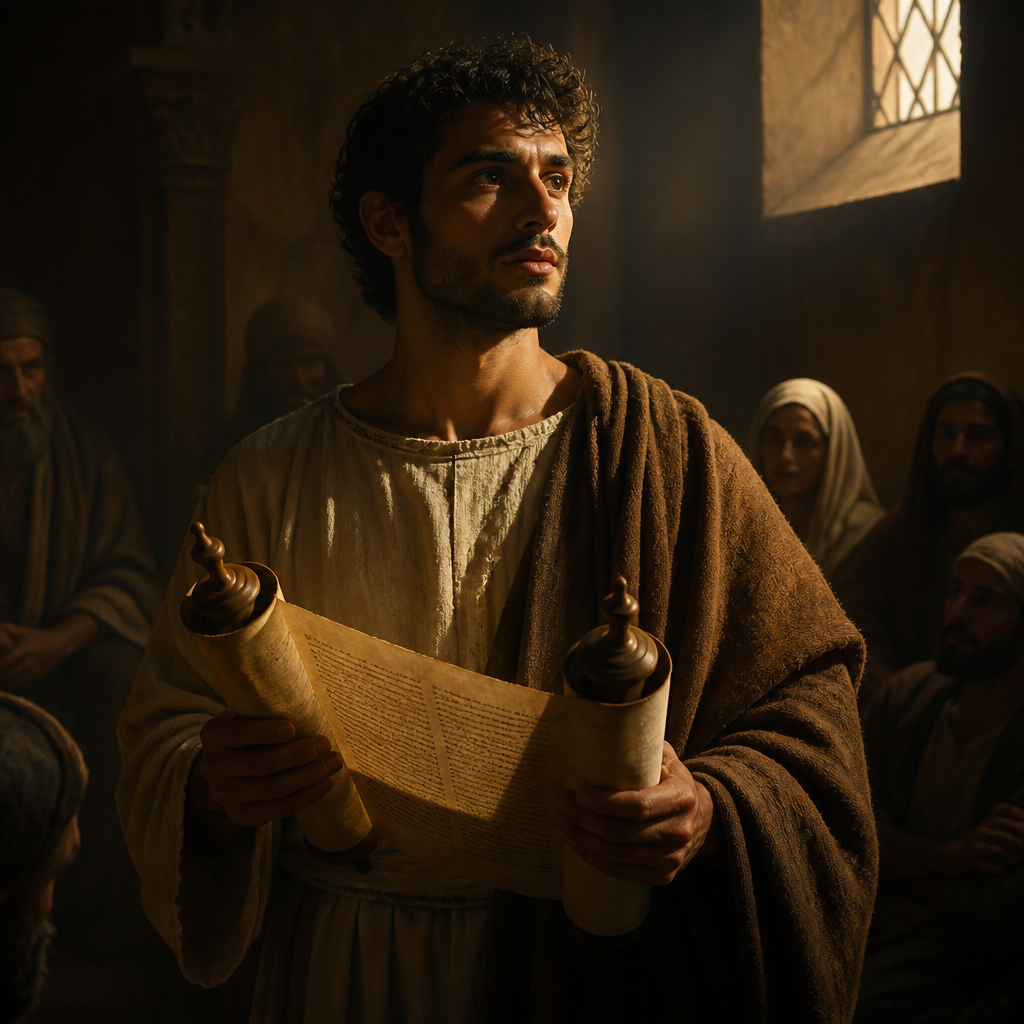
The father of Timothy is a figure mentioned briefly in the New Testament, specifically within the book of Acts. While his personal name is never recorded in the biblical text, his ethnic background as a Greek is cited as a significant detail in the early ministry of the Apostle Paul. He resided in Lystra, a city in the Roman province of Galatia, and was married to a Jewish woman named Eunice.
His primary role in the biblical narrative is providing the familial context for Timothy, one of Paul’s most trusted companions and a prominent leader in the Early Church. The presence of a Greek father in a Jewish-Christian household highlights the cultural complexities and the cross-cultural nature of the spread of Christianity during the apostolic age.
Background and Family
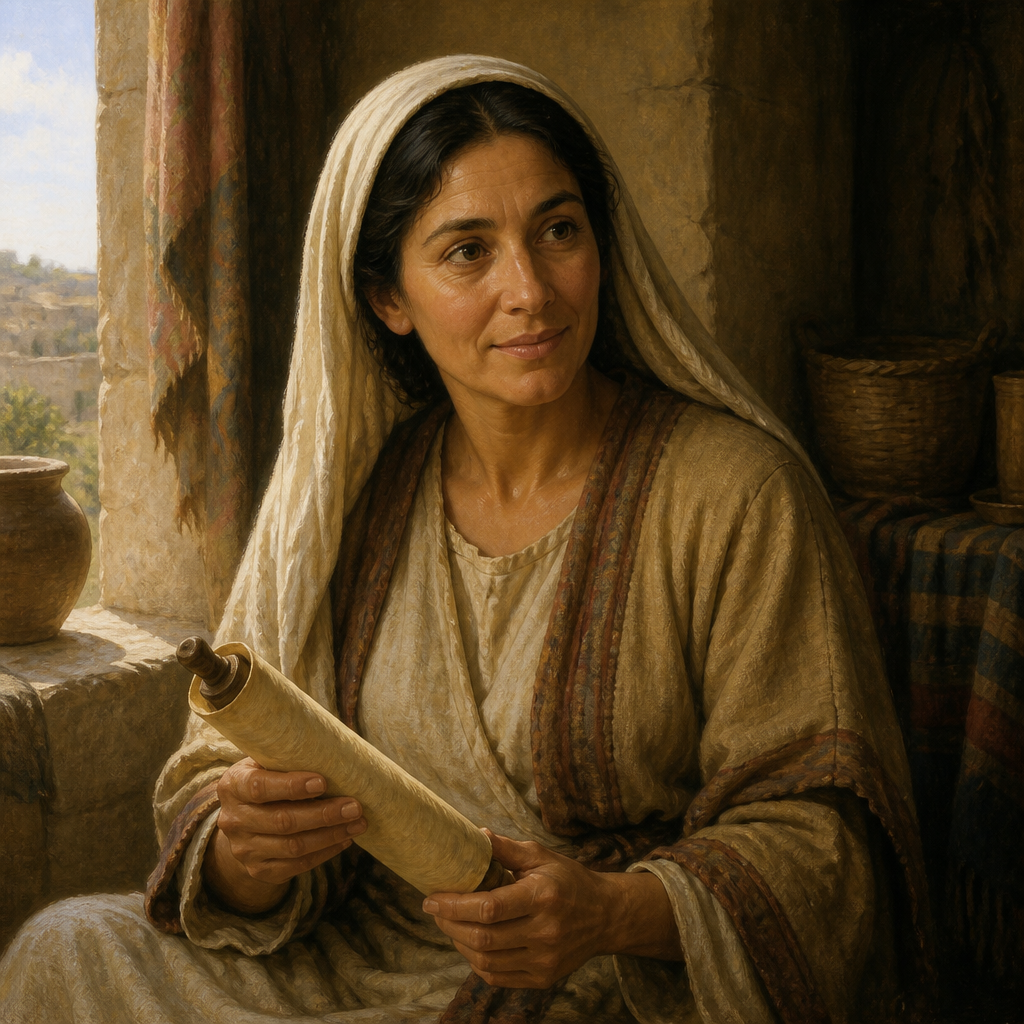
The father of Timothy resided in the city of Lystra, located in Lycaonia. The biblical record identify him exclusively by his ethnicity, stating he was a "Greek" (Acts 16:1). He was married to Eunice, a Jewish woman who is described as a believer in Christ. This intermarriage between a Greek man and a Jewish woman was a notable social arrangement in the Roman colonies of Asia Minor.
From the text, it is evident that Timothy was raised in this household. However, the father’s spiritual status is notably distinct from that of his wife and son. While Eunice and her mother Lois are praised for their sincere faith (2 Timothy 1:5), the father is never described as a believer.
Major Life Events
The most significant detail regarding the life of Timothy's father is his influence on Timothy’s upbringing, specifically regarding the rite of circumcision. According to Acts 16:3, Timothy had not been circumcised as an infant, a fact the local Jewish community attributed to his father's Greek identity. When the Apostle Paul wished for Timothy to accompany him on his missionary journeys, Paul circumcised Timothy "because of the Jews who lived in that area, for they all knew that his father was a Greek."
Beyond this specific interaction with the cultural expectations of the time, the Bible provides no further details on the man's life, his occupation, or the duration of his presence in Timothy's life. The silence of the later epistles regarding him suggests he may have been deceased or remained outside the inner circle of the early Christian movement.
Relationship to Other Biblical Figures
His primary relationships were to his wife, Eunice, and his son, Timothy. He is the biological link that gave Timothy his dual heritage—Jewish through his mother and Gentile through his father. This dual identity later allowed Timothy to serve as a bridge between Jewish and Gentile Christian communities. Although he is not mentioned as having met the Apostle Paul, his identity as a Greek was a known factor that Paul had to navigate during his visit to Lystra.
Spiritual Significance
The spiritual significance of Timothy's father lies in the contrast he provides to the faith-filled household described in the New Testament. While Eunice and Lois ensured Timothy was acquainted with the Holy Scriptures from childhood (2 Timothy 3:15), the father represents the secular or Gentile environment surrounding the young evangelist. His presence in the narrative serves to underscore the challenges and successes of mixed-faith households in the first century and the sovereign way Timothy was prepared for a ministry that reached both Jews and Greeks.
Spiritual Significance
The significance of Timothy's father lies in his role as the source of Timothy's Gentile heritage. His status as a Greek necessitated Paul's decision to circumcise Timothy to avoid unnecessary offense among the Jewish population, demonstrating the practical application of apostolic missionary strategy. He represents the diverse cultural background from which the Early Church emerged.
Frequently Asked Questions
What was the name of Timothy's father?
The Bible does not provide a name for Timothy's father; he is referred to only as a 'Greek'.
Was Timothy's father a Christian?
The Bible does not state that he was a believer. While his wife Eunice is called a 'believer,' his own faith is not mentioned.
Where did Timothy's father live?
He lived in Lystra, a city in the region of Lycaonia in Asia Minor.
Why didn't Timothy's father circumcise him?
As a Greek, he likely followed Hellenistic customs rather than Jewish law, which resulted in Timothy remaining uncircumcised until his adulthood when Paul performed the rite.