Bar-Jesus
A Jewish sorcerer and false prophet in Cyprus who opposed the missionary work of Paul and Barnabas during the first century AD.
Bar-Jesus, also identified by the name Elymas, was a Jewish figure active during the mid-first century AD in the city of Paphos, located on the island of Cyprus. The biblical record defines him as a sorcerer (magos) and a false prophet who held a position of influence within the court of the Roman proconsul, Sergius Paulus. His presence in the New Testament is brief but significant, serving as a focal point of spiritual conflict during the early expansion of the Christian movement into the Roman world.
His primary role in the narrative of Acts is that of an antagonist. When the apostles Paul and Barnabas arrived in Paphos to share the gospel with the proconsul, Bar-Jesus actively sought to prevent the Roman official from converting. This confrontation led to a direct spiritual encounter between Paul and the sorcerer, resulting in a temporary divine judgment upon Bar-Jesus and the subsequent conversion of the proconsul.
Background and Context
Bar-Jesus appears in the biblical narrative during the first missionary journey of Paul and Barnabas, which took place approximately in the late 40s AD. As they traveled through the island of Cyprus, they reached Paphos, the seat of the Roman provincial government. There they encountered Bar-Jesus, whose name literally translates from Aramaic as "Son of Joshua" or "Son of Jesus." Despite his Jewish heritage, he is described as a practitioner of sorcery and a "false prophet."
In the Greco-Roman world, it was not uncommon for high-ranking officials to employ personal diviners or "magi" to provide spiritual insight or counsel. Bar-Jesus had successfully embedded himself in the retinue of Sergius Paulus, whom the author of Acts describes as a man of intelligence. The presence of a Jewish sorcerer in such a high-profile Roman setting suggests that Bar-Jesus was a man of significant local standing and perceived mystical ability.
The Conflict at Paphos
The central event involving Bar-Jesus occurred when Sergius Paulus sent for Barnabas and Saul (Paul) because he desired to hear the word of God. Recognizing that the message of the apostles threatened his own influence and position at court, Bar-Jesus (referred to by the name Elymas) openly opposed them. The text states he "tried to turn the proconsul from the faith" (Acts 13:8).
This opposition was not merely intellectual but spiritual. Paul, described as being "filled with the Holy Spirit," confronted Bar-Jesus directly. He denounced the sorcerer as a "son of the devil" and an "enemy of everything that is right," accusing him of perverting the straight ways of the Lord. Paul then pronounced a divine judgment: Bar-Jesus would be struck with temporary blindness. The narrative records that immediately a mist and darkness came over him, and he had to seek someone to lead him by the hand.
Identification as Elymas
Acts 13:8 provides a secondary name for the figure: "Elymas the sorcerer (for that is what his name means)." The linguistic origin of "Elymas" has been a subject of scholarly debate. Some suggest it is derived from an Arabic root ‘alīm meaning "wise" or "learned," corresponding to the Greek term magos. Others suggest an Aramaic connection. Regardless of the etymology, the biblical text uses the name to emphasize his identity as a practitioner of the occult in contrast to his Jewish patronymic, Bar-Jesus.
Spiritual Significance
The encounter between Paul and Bar-Jesus serves as a programmatic moment in the book of Acts. It represents the first recorded miracle performed by Paul and marks the transition of his name from Saul to Paul in the narrative. Theologically, the episode illustrates the superiority of the power of the Holy Spirit over the deceptive practices of sorcery and false prophecy. The immediate consequence of the sorcerer's blindness was the conversion of Sergius Paulus, who was amazed at the teaching about the Lord. The narrative leaves Bar-Jesus in a state of darkness, symbolizing the spiritual state of those who actively oppose the gospel.
Spiritual Significance
Bar-Jesus serves as a significant biblical example of the opposition faced by the early Church from within the Jewish community and the occult world. His failure to prevent the conversion of Sergius Paulus highlights the theme that the gospel cannot be hindered by human or demonic manipulation. Furthermore, the irony of a man named 'Son of Jesus' (Bar-Jesus) opposing the message of Jesus Christ provides a sharp narrative contrast between false religious identity and true spiritual power.
Frequently Asked Questions
What does the name Bar-Jesus mean?
Why was Bar-Jesus called Elymas?
What happened to Bar-Jesus when he opposed Paul?
Where did the encounter with Bar-Jesus take place?
Connected Figures
Paul the Apostle
Spiritual adversary who rebuked him
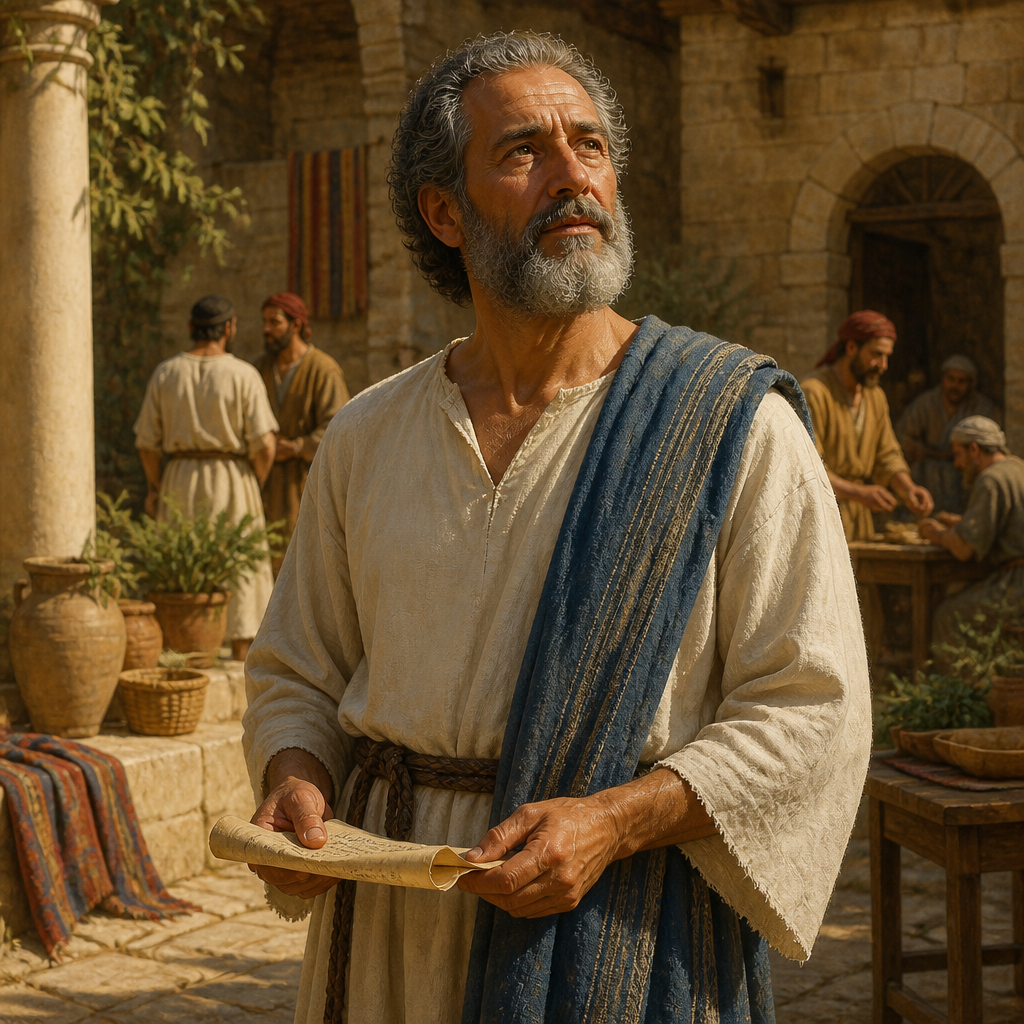
Barnabas
Missionary colleague of Paul present during the encounter
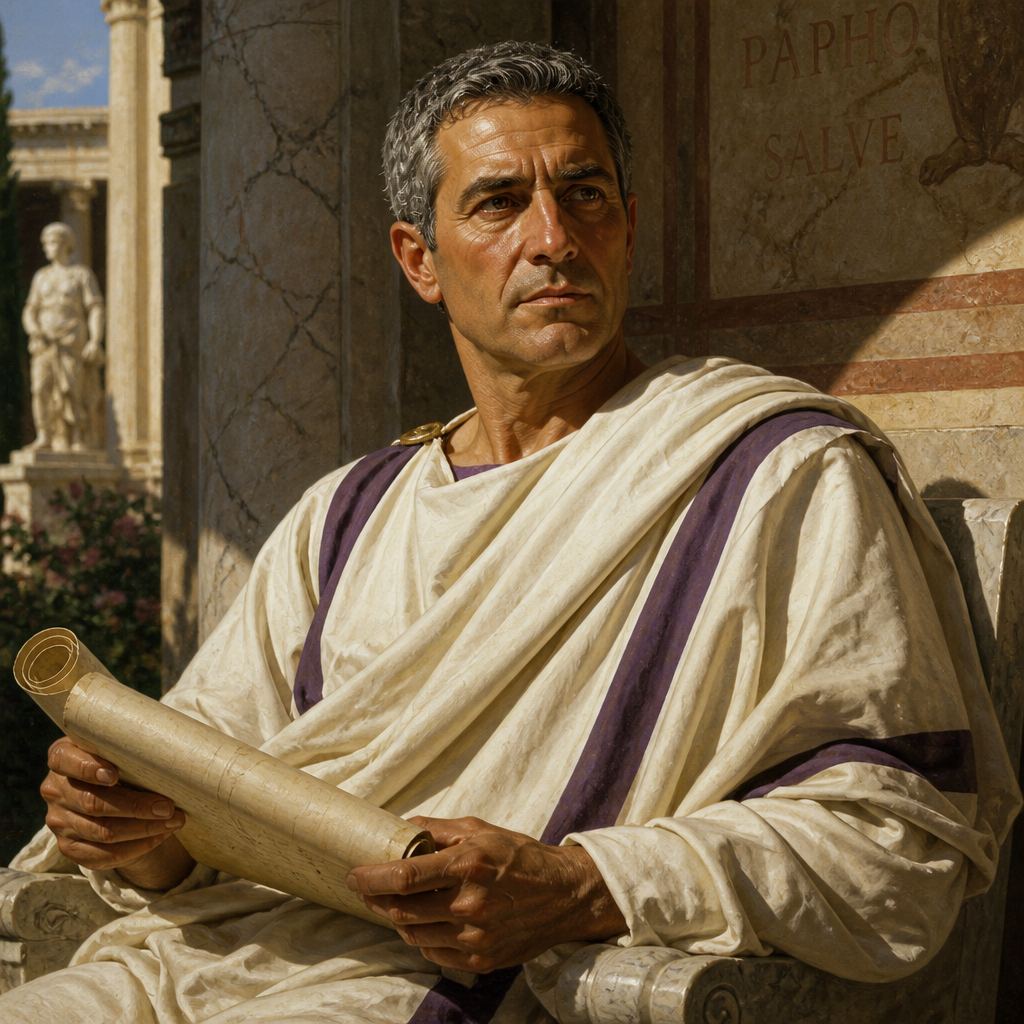
Sergius Paulus
The Roman proconsul whom Bar-Jesus advised
Categories
Mentions by Book
- Acts2