
False Teachers
An editorial grouping by Everybody in the Bible, gathering people the New Testament identifies as spreading teaching contrary to the apostles. This is our study category, not a verdict on their eternal state.
The New Testament identifies several individuals and groups as False Teachers who promoted doctrines or practices that contradicted the message of the apostles. These figures are described across various epistles and the book of Revelation as sources of internal division or moral compromise within the early church. The text characterizes their role not by a formal appointment, but by their active dissemination of specific errors regarding theology, ritual law, or ethical conduct.
The organization of these figures in the biblical text often centers on the specific nature of their deviation from apostolic instruction. Hymenaeus is identified as a man who shipwrecked his faith and was handed over to Satan (1 Timothy 1:19–20). Philetus is named alongside him for spreading the teaching that the resurrection had already taken place, an idea described as spreading like gangrene (2 Timothy 2:17–18). Jezebel of Thyatira is a woman who calls herself a prophetess but is accused of leading servants into sexual immorality and the eating of food sacrificed to idols (Revelation 2:20). The Nicolaitans are a group whose works and doctrines are explicitly hated by the churches in Ephesus and Pergamum (Revelation 2:6, 2:15). Those Who Hold the Teaching of Balaam are described as a faction within the church at Pergamum who entice others to eat idol sacrifices (Revelation 2:14). The Judaizers are characterized as those who troubled the believers by insisting that circumcision and the keeping of the law of Moses were necessary for salvation (Acts 15:1, Galatians 2:12).
The presence of these figures matters in the larger biblical story because they serve as the primary catalysts for the formalization of Christian doctrine. The text indicates that the activities of these teachers forced the apostles to clarify the boundaries of the faith, particularly regarding the nature of the resurrection and the relationship between Gentile converts and Jewish law. By responding to the claims of the False Teachers, the New Testament writers established the criteria for orthodoxy and emphasized the necessity of guarding the received tradition against internal subversion.
Everyone in this list

Hymenaeus
False teacher who claimed the resurrection had already occurred

Jezebel of Thyatira
False prophetess who seduced the church at Thyatira into idolatry
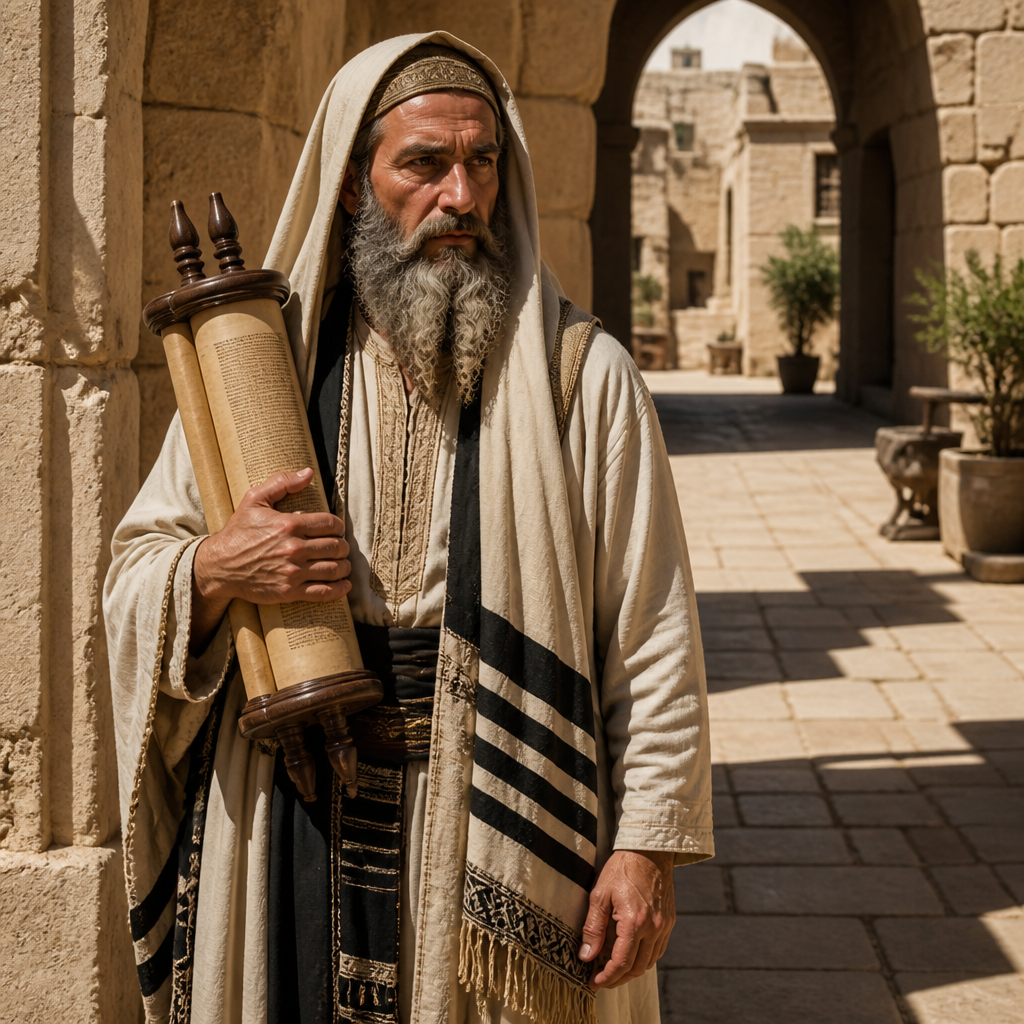
Judaizers
False teachers who insisted circumcision was required for a Gentile to be saved
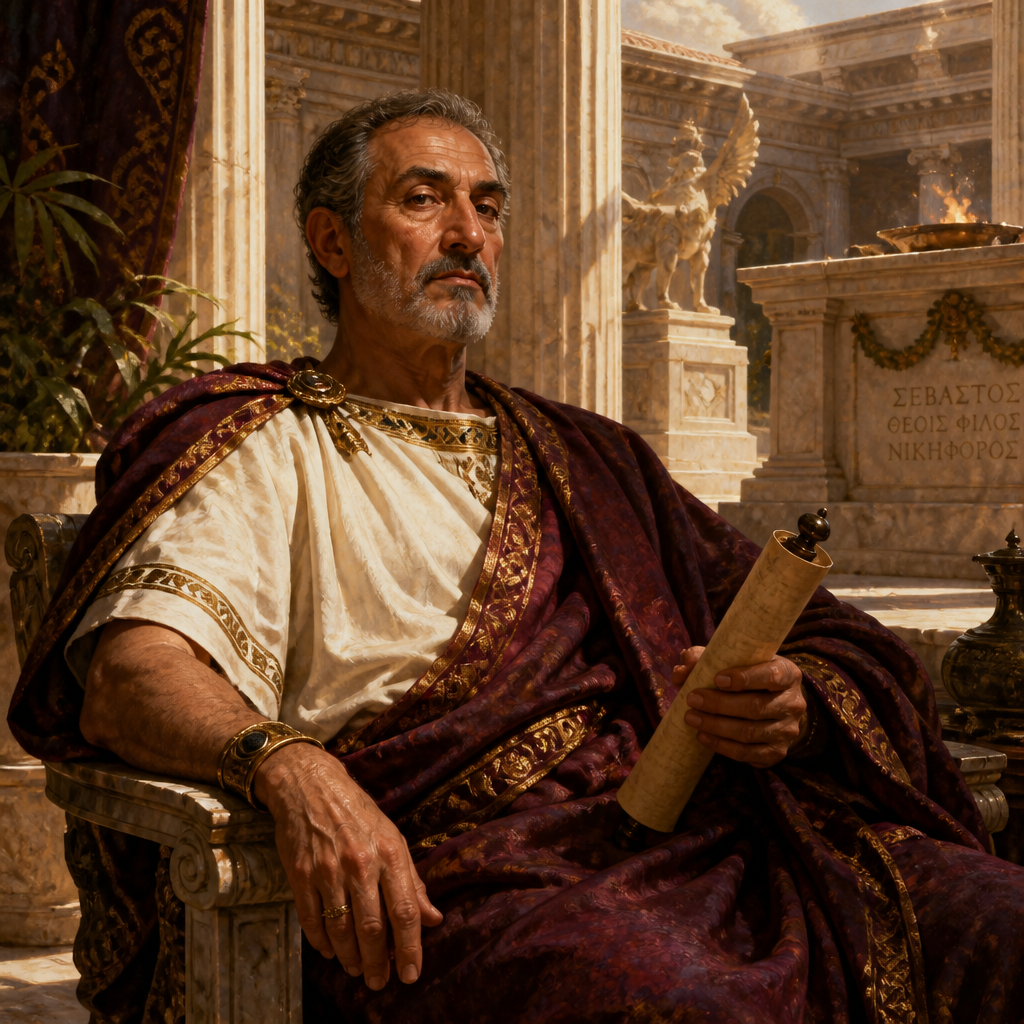
The Nicolaitans
False teachers in the early church who advocated for compromise with pagan idolatry and immoral behavior

Philetus
False teacher who claimed the resurrection had already occurred

Those Who Hold the Teaching of Balaam
Sect in the church of Pergamum who promoted compromise with pagan idolatry and sexual immorality