
People of 2 Thessalonians
Every person who appears in the book of 2 Thessalonians, ordered by how often they are mentioned there.
The People of 2 Thessalonians appear in a letter addressed to the church of the Thessalonians to provide clarity regarding the coming of the Lord. The text identifies Paul as the primary author, who writes to encourage the believers during their persecutions and trials (2 Thessalonians 1:1–4). He is joined in this greeting by Silas, who is named as a co-sender of the epistle (2 Thessalonians 1:1). The group of authors also includes Timothy, who is listed alongside the others as a source of the letter’s instructions (2 Thessalonians 1:1). These three men together offer thanks for the growing faith and love displayed by the members of the congregation (2 Thessalonians 1:3).
The central figure discussed throughout the letter is Jesus, who is identified as the Lord and the source of peace for the believers (2 Thessalonians 1:2). The text states that Jesus will eventually be revealed from heaven with his mighty angels in flaming fire (2 Thessalonians 1:7–8). According to the passage, Jesus will bring judgment upon those who do not know God and do not obey the gospel (2 Thessalonians 1:8–9). The letter further explains that Jesus will be glorified in his holy people and marveled at by all those who have believed (2 Thessalonians 1:10).
The narrative focuses heavily on the future actions of Jesus in relation to a figure described as the man of lawlessness. The text claims that the coming of Jesus will result in the destruction of this lawless one, whom the Lord will slay with the breath of his mouth (2 Thessalonians 2:8). Paul, Silas, and Timothy emphasize that the day of the Lord has not yet occurred, as certain signs must happen first (2 Thessalonians 2:1–3). They command the church to stand firm and hold to the traditions they were taught, whether by word of mouth or by letter (2 Thessalonians 2:15).
This correspondence serves as a corrective to misunderstandings about the end of the age. By naming Paul, Silas, and Timothy as the authorities behind the message, the text establishes a formal apostolic witness to the events surrounding the return of Jesus. The letter concludes with a personal sign from Paul, who writes the final greeting with his own hand to authenticate the document (2 Thessalonians 3:17). The text does not say how the recipients responded to these specific instructions or how long the authors remained in contact with this specific church.
Everyone in this list
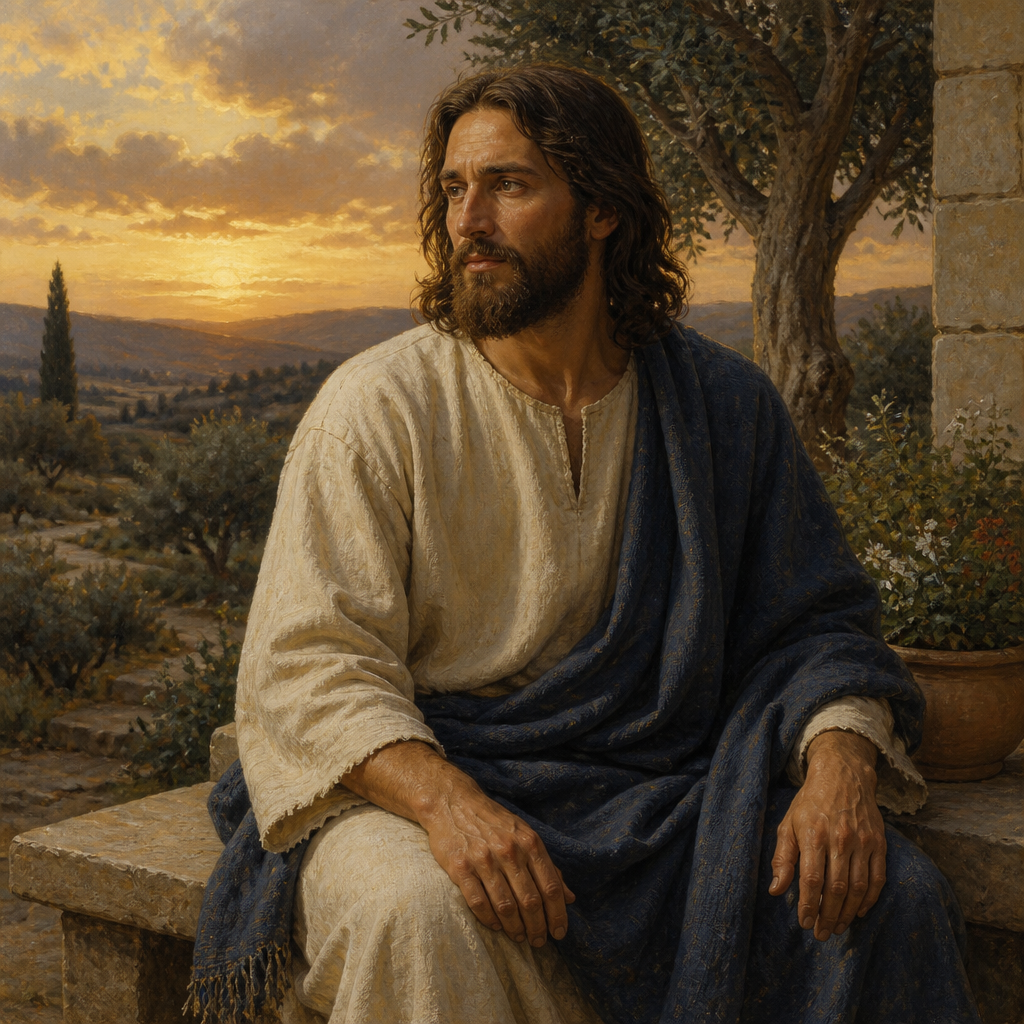
Jesus
Messiah and central figure of the New Testament whose life, death, and resurrection form the basis of the Christian faith
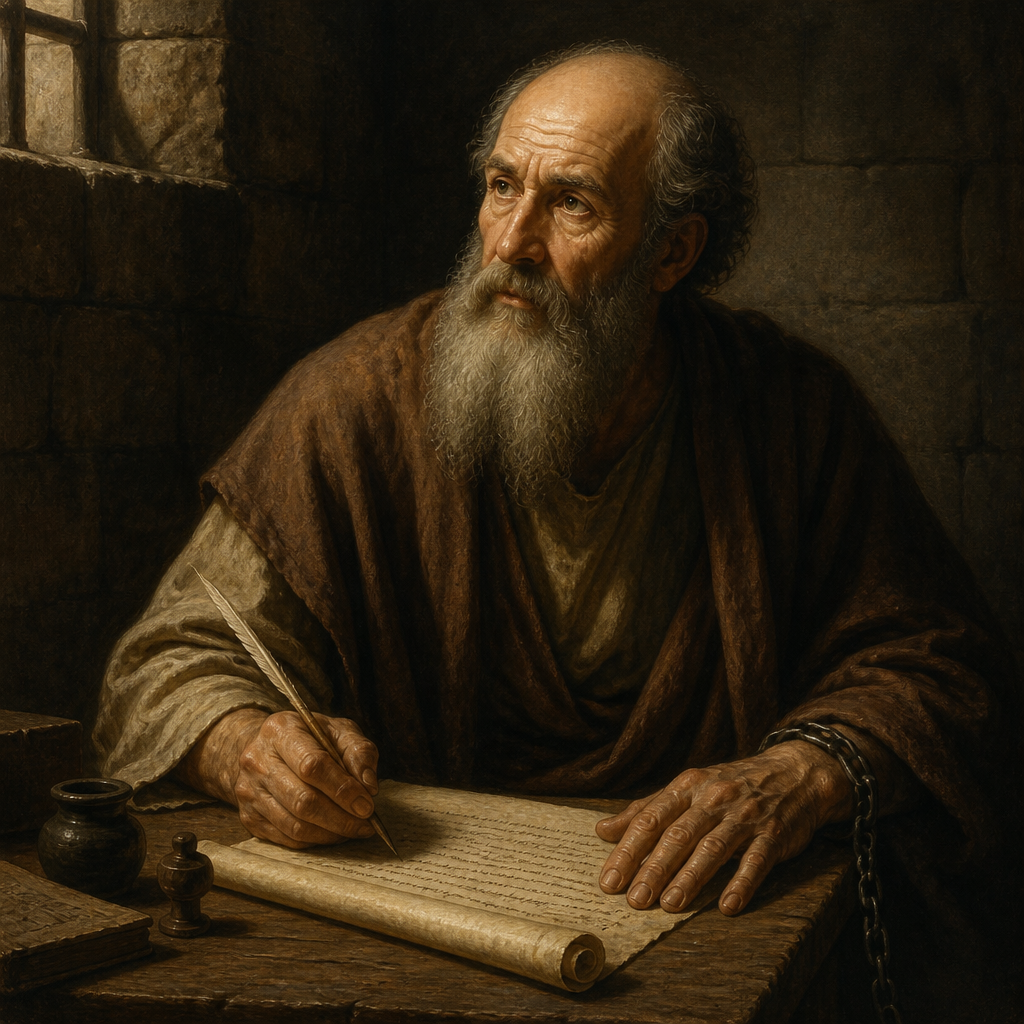
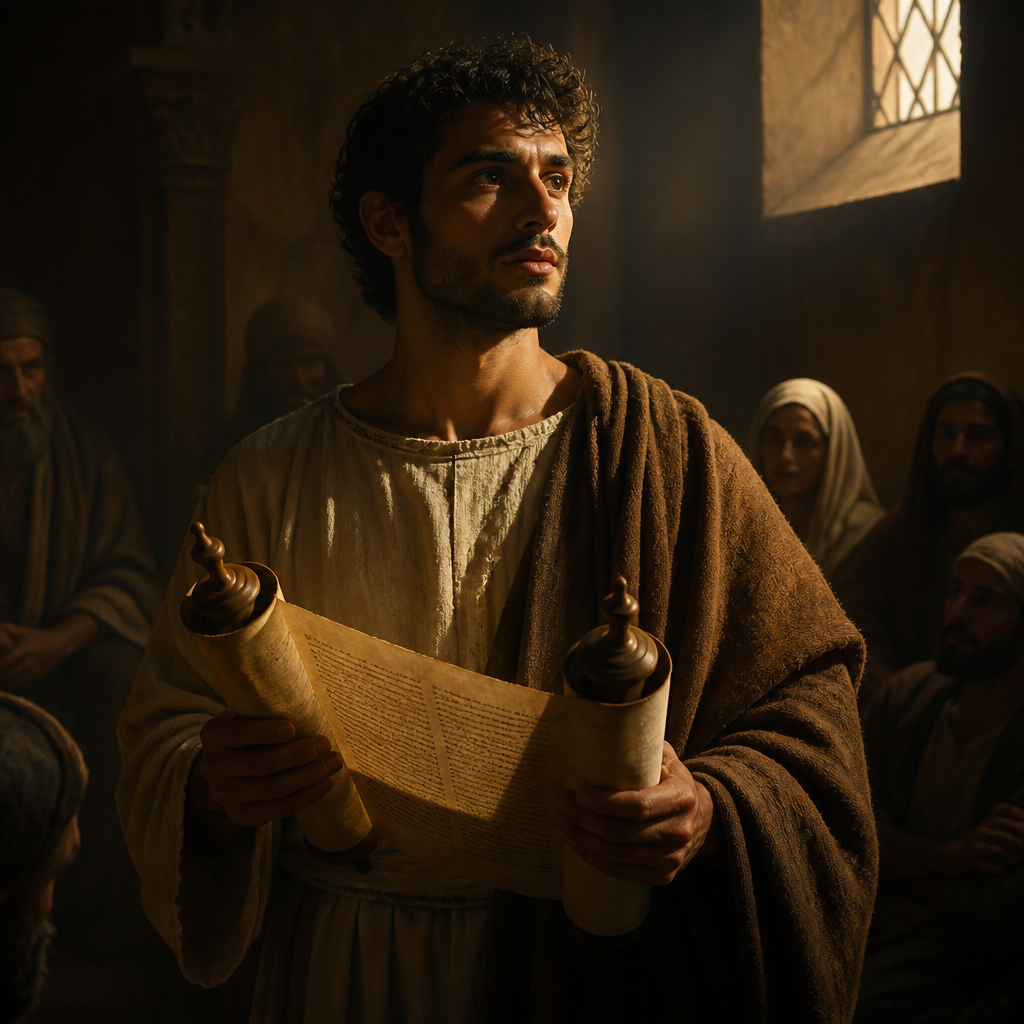
Timothy
Protégé of the Apostle Paul and recipient of the two Pastoral Epistles whom Paul stationed at Ephesus
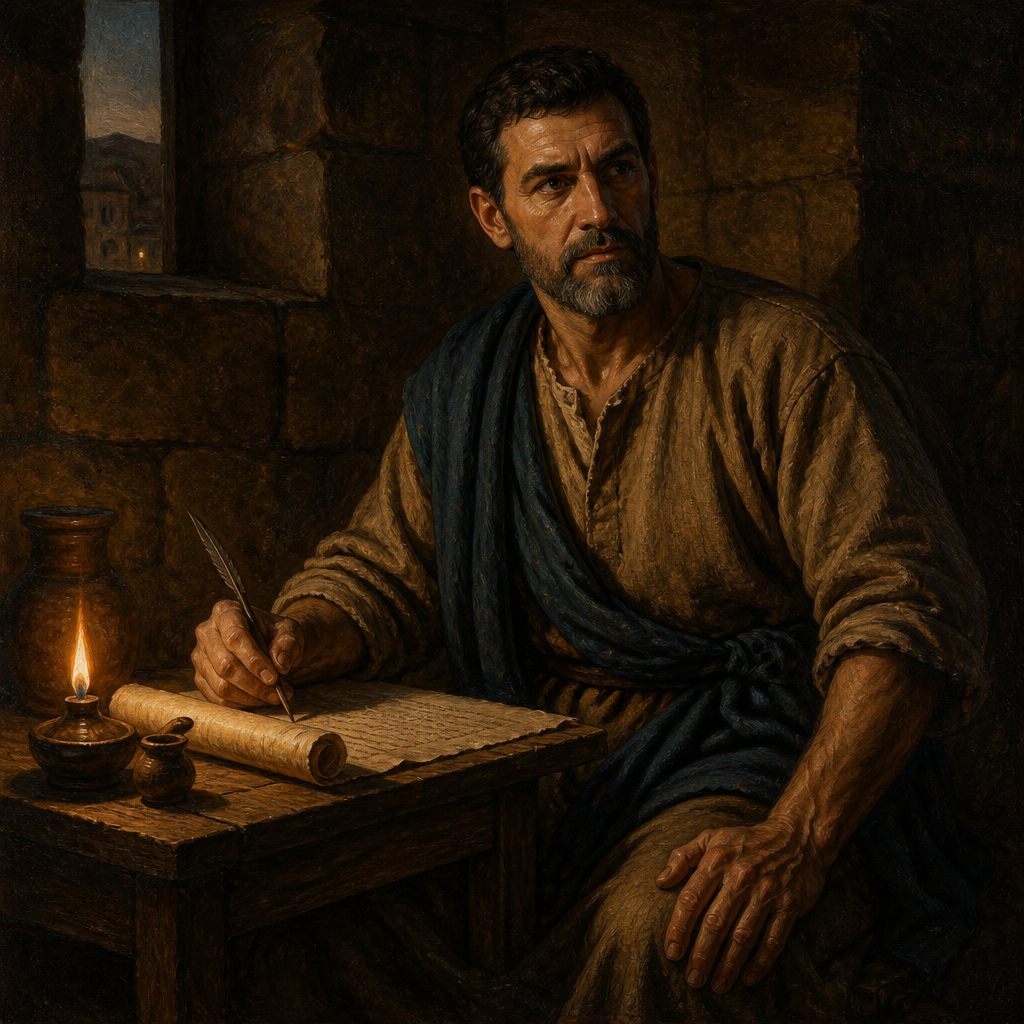
Silas
Prophet and companion of Paul who sang in the Philippian jail