Sheba, son of Bichri
A Benjamite rebel who led a short-lived insurrection against King David following the defeat of Absalom during the United Monarchy.
Sheba, son of Bichri, was a Benjamite who rose to prominence during a period of intense political instability within the United Monarchy of Israel. In the immediate aftermath of Absalom’s failed rebellion, the kingdom remained fractured along tribal lines. While King David was in the process of being escorted back to Jerusalem by the men of Judah, a sharp dispute erupted between Judah and the ten northern tribes regarding their role in the king's restoration. Sheba capitalized on this resentment to launch a fresh revolt against the Davidic dynasty.
Described in the biblical text as a "worthless man," Sheba’s primary contribution to the narrative of 2 Samuel is his attempt to sever the northern tribes from David’s rule. His rebellion forced David to mobilize his military forces once again, leading to a pursuit that concluded in the far north of Israel. Sheba's life ended when the inhabitants of the city of Abel Beth-maacah, acting on the advice of a wise woman, executed him to avoid a destructive siege by David's army.
Background and Family
Sheba was the son of Bichri, belonging to the tribe of Benjamin. His lineage is significant in the context of the United Monarchy, as Benjamin was the tribe of Israel's first king, Saul. Following the death of Saul and the rise of David from the tribe of Judah, lingering tensions persisted between the Benjamites and the Davidic house. The biblical record introduces Sheba in 2 Samuel 20:1, characterizing him as a ish belial—translated as a "worthless man," "wicked man," or "troublemaker." This pejorative label sets the stage for his role as an opportunistic agitator rather than a legitimate claimant to the throne.
Major Life Events
The Call to Rebellion
As King David returned to Jerusalem after the death of Absalom, a heated argument broke out at the Jordan River between the men of Israel and the men of Judah. The northern tribes felt slighted by Judah's unilateral actions in bringing the king back. Sheba, who happened to be present, seized the moment of friction. He blew a ram’s horn and issued a rallying cry that would echo through later Israelite history: “We have no share in David, no inheritance in Jesse’s son. Every man to his tent, O Israel!” (2 Samuel 20:1).
This declaration was effectively a secessionist manifesto. The text notes that all the men of Israel deserted David to follow Sheba, while the men of Judah remained loyal, escorting the king back to Jerusalem.
The Royal Pursuit
David recognized the severity of this new threat, noting to his general Abishai that "Sheba the son of Bichri will do us more harm than Absalom" (2 Samuel 20:6). David feared that if Sheba reached fortified cities, he could sustain a long-term insurgency. David initially tasked Amasa with mobilizing an army, but when Amasa was delayed, the king dispatched Abishai and Joab’s elite troops, including the Cherethites and Pelethites.
During the pursuit, Joab treacherously murdered Amasa to regain his position as commander. With the internal leadership struggle resolved by blood, Joab led the army northward through the territory of Israel, tracking Sheba to the city of Abel Beth-maacah, located near the northern border.
The Siege of Abel Beth-maacah
Sheba took refuge within the walls of Abel Beth-maacah. Joab’s forces arrived and began constructing a siege ramp to batter down the city walls. The destruction of the city seemed imminent until a "wise woman" called out from the wall to speak with Joab. She challenged Joab for seeking to destroy a "mother in Israel"—a city known for its wisdom and peace.
Joab clarified that he did not wish to destroy the city, but only to capture Sheba, who had "lifted up his hand against the king." The woman agreed to the terms, telling Joab that Sheba's head would be thrown over the wall. She convinced the city's inhabitants of the necessity of this action. Consequently, the people of Abel Beth-maacah beheaded Sheba and tossed his head to Joab, effectively ending the rebellion.
Relationship to Other Biblical Figures
Sheba’s primary foil is King David, whom he sought to delegitimize by referencing David's humble origins as the "son of Jesse." He is also inextricably linked to Joab, the ruthless commander of David’s army, whose pursuit of Sheba led to the murder of Amasa. The Wise Woman of Abel Beth-maacah serves as the narrative’s protagonist at the climax, acting as the diplomat who secures the city's safety by sacrificing the rebel leader.
Spiritual Significance
The story of Sheba, son of Bichri, serves as a testament to the fragile nature of the United Monarchy and the lingering tribalism that would eventually lead to the permanent division of the kingdom under Rehoboam and Jeroboam. Spiritually, the narrative contrasts the "worthless" counsel of Sheba, which leads to division and death, with the "wise" counsel of the woman of Abel, which leads to peace and the preservation of the community. The text reinforces the Davidic covenant by showing that even after the massive upheaval of Absalom's revolt, attempts to subvert David's God-appointed kingship resulted in failure and judgment.
Spiritual Significance
Sheba, son of Bichri, represents the persistent tribal friction that plagued the United Monarchy even at the height of its power. His rebellion highlighted the deep-seated resentment the northern tribes held toward the house of David, foreshadowing the eventual schism of the kingdom. Theologically, his demise underscores the biblical theme that rebellion against the Lord's anointed king leads to ruin, while the 'wise woman' who opposes him illustrates the value of discernment and civic peace over blind loyalty to a charismatic agitator.
Frequently Asked Questions
Which tribe did Sheba, son of Bichri, belong to?
Sheba was a member of the tribe of Benjamin.
What was Sheba's famous rallying cry against David?
He shouted: 'We have no share in David, no inheritance in Jesse’s son. Every man to his tent, O Israel!'
Where was Sheba finally cornered by Joab's army?
He was cornered in the fortified city of Abel Beth-maacah in northern Israel.
How did Sheba die?
The inhabitants of Abel Beth-maacah, following the advice of a wise woman, beheaded Sheba and threw his head over the wall to Joab to end the siege.
Why did Sheba's rebellion start?
It began because of a dispute between the ten northern tribes and the tribe of Judah regarding who had the right to bring King David back to Jerusalem after Absalom's death.
Connected Figures
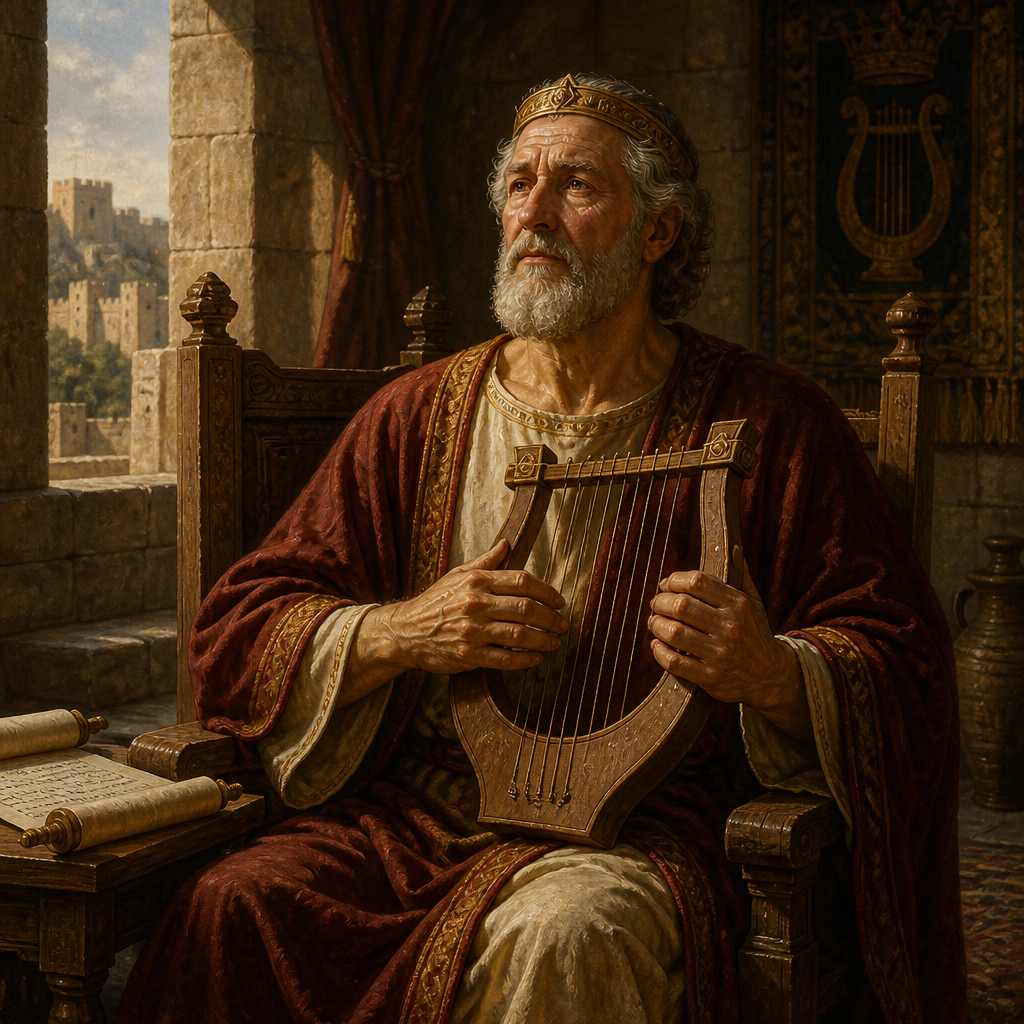
David
Enemy/King he rebelled against
Joab
Military pursuer
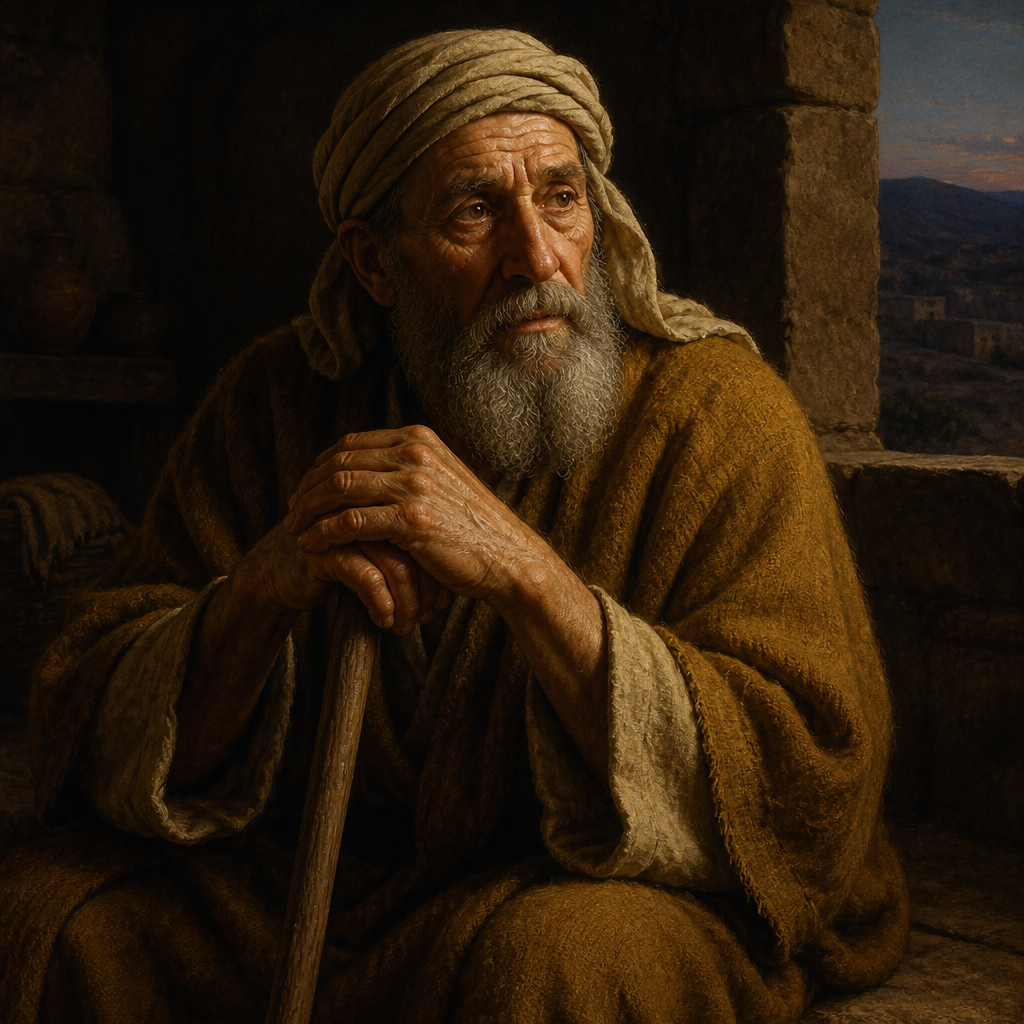
Bichri
Father
Amasa
General who initially pursued him
Categories
Mentions by Book
- 2 Samuel8
Family & Relationships
Parent
2 Samuel 20:1
Others Named Sheba
Sheba, Son of JoktanGenesis 10:28
A descendant of Shem through Joktan, listed in the Table of Nations as a foundational patriarch of the post-Flood Semitic lineages.
Sheba, Son of JokshanGenesis 25:3
Sheba was a grandson of the patriarch Abraham and his concubine Keturah, serving as a foundational figure in the genealogical expansion of the Arabian tribes.
Sheba, Gadite of the Divided Monarchy1 Chronicles 5:13
A kinsman and family leader of the tribe of Gad who was recorded in the genealogical registers during the Divided Monarchy.
Sheba, Grandson of CushGenesis 10:7
A patriarch and descendant of Ham who founded a wealthy merchant nation known for trade and stature in the ancient Near East.