Elon the Zebulunite
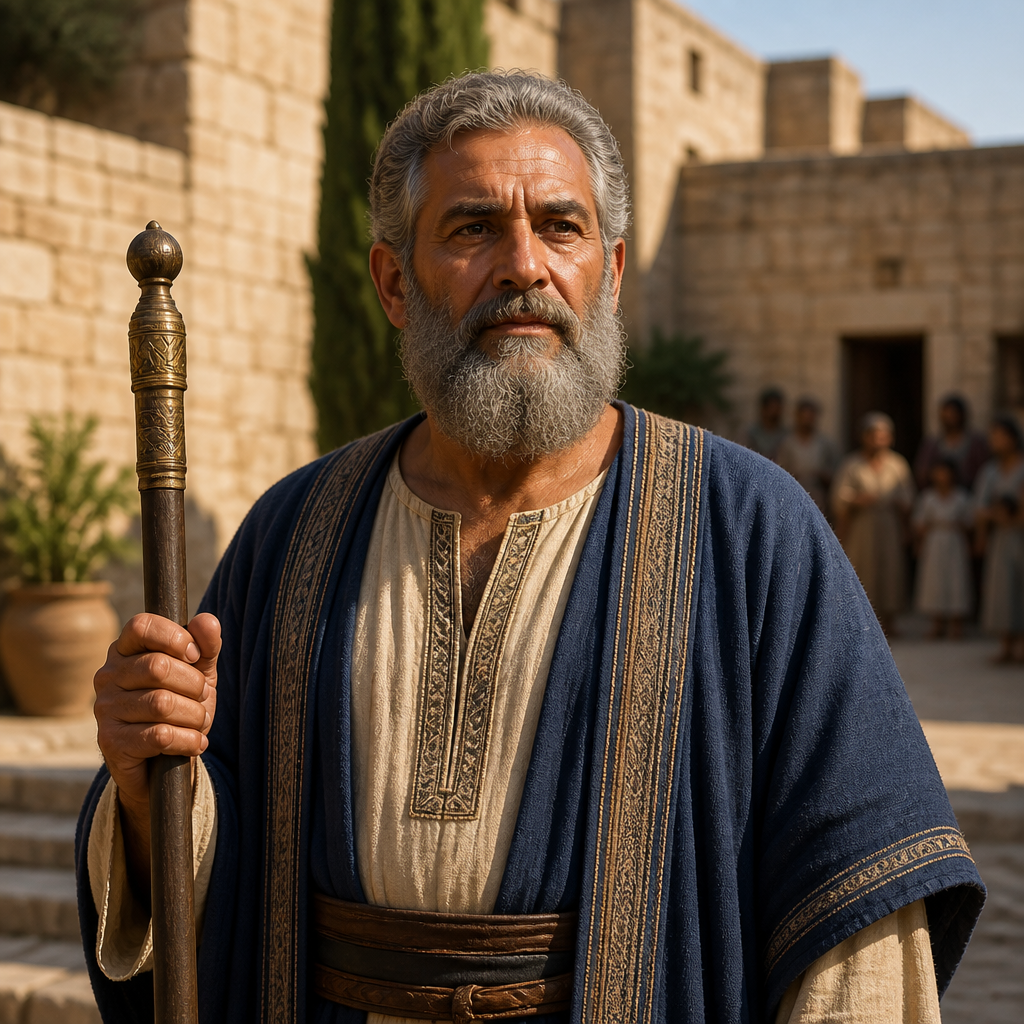
Elon the Zebulunite was the tenth judge of Israel, governing the nation for ten years during the period of the Judges.
Elon the Zebulunite was a leader in ancient Israel who served as a judge during the turbulent centuries between the conquest of Canaan and the establishment of the monarchy. His tenure is recorded in the Book of Judges, occurring after the judgeship of Ibzan and preceding that of Abdon. As one of the 'minor judges,' the biblical record of his life is concise, focusing on his tribal origin, the duration of his leadership, and his final resting place.
Historically, Elon represents a period of relative stability for the tribe of Zebulun and the northern territories. While the text does not detail specific military conflicts or miraculous interventions during his rule, his inclusion in the canonical list of judges affirms his divine appointment and his role in maintaining the civil and spiritual order of the Israelite confederation during the 11th century BC.
Background and Family
The historical background of Elon is rooted in the tribal territory of Zebulun, located in the northern region of Canaan. The biblical text identifies him specifically as "Elon the Zebulunite" (Judges 12:11), anchoring his authority in one of the Galilee tribes. Unlike many other figures in the Book of Judges, the text provides no genealogical data regarding his father or his children. This lack of familial detail is characteristic of the "minor judges"—leaders whose administrative impact was significant enough to be recorded in the national history, yet whose personal narratives did not involve the dramatic military exploits seen in the lives of figures like Gideon or Samson.
Major Life Events
The career of Elon is defined by his ten-year tenure as the judge of Israel. The Book of Judges presents a chronological succession, noting that he rose to power "after Ibzan" (Judges 12:11). During these ten years, Elon would have functioned as a supreme magistrate and military oversight for the tribes, though no specific wars are mentioned during his era. His reign suggests a decade of internal peace or successful deterrence against surrounding Canaanite and Philistine threats.
Upon his death, the text notes a significant geographic detail: he was buried in Aijalon in the land of Zebulun. It is notable that the name of his burial site, Aijalon (meaning "place of oaks" or "place of deer"), shares a linguistic root with his own name, Elon (meaning "oak"). This suggests a deep ancestral connection to that specific location within the Zebulunite allotment.
Relationship to Other Biblical Figures
Elon occupies the tenth position in the traditional list of the twelve judges. He followed Ibzan of Bethlehem, who judged for seven years, and was succeeded by Abdon son of Hillel, who judged for eight years. While no direct interaction between these men is recorded, they represent a continuous line of leadership that preserved the Mosaic law and tribal unity before the rise of the prophet Samuel and King Saul. The brevity of his mention suggests that his administration was likely a time of preservation rather than reformation or liberation from a specific foreign oppressor.
Spiritual Significance
In the context of the Book of Judges, the presence of Elon serves to demonstrate God’s consistent provision of leadership for His people. Even in years not marked by spectacular miracles, the "judge" was understood to be a charismatic leader raised up by Yahweh to provide justice (mishpat). Elon’s peaceful ten-year rule highlights that the favor of God is not only found in the thunder of battle but also in the quiet maintenance of a society’s spiritual and civil health. His burial in his own tribal land serves as a testament to the fulfillment of the promise that Israel would possess and rest in the land of Canaan.
Spiritual Significance
Elon’s significance lies in his role as a 'minor judge' who maintained the continuity of Israel's theocratic leadership. His ten-year rule represents a period where the cycle of apostasy and oppression, so common in the Book of Judges, appears to have been held at bay, allowing for tribal stability in the north.
Frequently Asked Questions
How long did Elon the Zebulunite judge Israel?
Elon judged Israel for exactly ten years, as recorded in Judges 12:11.
Which tribe did Elon belong to?
Elon was a member of the tribe of Zebulun, one of the northern tribes of Israel.
Where is Elon buried?
He was buried in Aijalon, which was located within the territory of the land of Zebulun.
Who were the judges that served before and after Elon?
Elon was preceded by Ibzan of Bethlehem and was succeeded by Abdon the son of Hillel.
Are there any recorded miracles performed by Elon?
No, the biblical text does not record any miracles, specific battles, or prophetic messages associated with Elon's judgeship.
Connected Figures
Ibzan
Predecessor as Judge
Abdon
Successor as Judge
Categories
Mentions by Book
- Judges2
Others Named Elon the Zebulunite
Elon, Son of ZebulunGenesis 46:14
Elon was the second son of Zebulun and the founding patriarch of the Elonite clan during the Israelite sojourn in Egypt and the subsequent wilderness wanderings.
Elon the HittiteGenesis 26:34
Elon the Hittite was a Canaanite patriarch and the father of Basemath (also called Adah), who became one of the wives of the biblical patriarch Esau.