Pashhur, Priest of the House of Malchijah
Who was Pashhur, Priest of the House of Malchijah, in the Bible?
A Levite of the house of Malchijah whose descendants formed a significant priestly contingent in the post-exilic community of Jerusalem.
This is one of 5 people named Pashhur in the Bible. See all 5 →
Pashhur, the son of Malchijah, was a member of the tribe of Levi whose primary historical significance is rooted in the restoration of Jerusalem following the Babylonian Captivity. As a priestly patriarch, he is identified as a vital link in the genealogical continuity of the Jewish people during the transition from the Exile to the Return under Persian rule. His lineage played a central role in re-establishing the liturgical life of the Second Temple.
While the biblical record provides few details regarding his personal exploits, the prominence of his descendants indicates his high standing within the Aaronic priesthood. His name is consistently associated with the 'sons of Pashhur,' a large group of returnees who prioritized the rebuilding of the religious infrastructure in Judah. His presence in the record serves to validate the legitimacy of the post-exilic priesthood.
Background and Family
Pashhur was born into the Tribe of Levi, specifically descending from the line of Malchijah. According to the genealogical records preserved in 1 Chronicles 9:12 and Nehemiah 11:12, he was the son of Malchijah and the father of Zechariah (not to be confused with the prophet Zechariah). His family lineage was essential for maintaining the purity of the priestly office, a matter of extreme importance during the reconstruction of the Jewish state in the late 6th century BC.
The priestly family of Malchijah, to which Pashhur belonged, was one of the original divisions of the priesthood established for service in the Temple. Consequently, Pashhur represented a traditional authority that bridged the gap between the pre-exilic Temple of Solomon and the Second Temple built under Zerubbabel.
Major Life Events
The biblical footprint of Pashhur, son of Malchijah, is largely found in the lists of the returning exiles. These lists, preserved in the books of Ezra and Nehemiah, document the families who traveled from Babylon to Jerusalem to reclaim their ancestral heritage.
According to Ezra 2:38 and Nehemiah 7:41, the 'descendants of Pashhur' numbered 1,247 men. This makes his family one of the largest priestly groups to return, illustrating the massive scale of his influence and the proliferation of his household. The sheer number of his descendants suggests that Pashhur himself likely lived during or shortly before the Babylonian Exile, establishing a family that remained faithful to their priestly calling even in a foreign land.
In the era of Ezra’s reforms, the sons of Pashhur are mentioned again. Ezra 10:22 records that several of his descendants—Elioenai, Maaseiah, Ishmael, Nethanel, Jozabad, and Elasah—were among those who had married foreign women but agreed to put them away in accordance with the Law. This highlights the ongoing struggle for ritual purity within Pashhur's line during the restoration period.
Relationship to Other Biblical Figures
Pashhur is identified as the father of Zechariah and the grandfather of Amzi and Pelaliah, ultimately leading to Adaiah, who served as a prominent priest in Jerusalem after the walls were rebuilt (Nehemiah 11:12). This direct line of descent connects the pre-exilic priesthood to the active ministry of the post-exilic era.
"Adaiah son of Jeroham, the son of Pelaliah, the son of Amzi, the son of Zechariah, the son of Pashhur, the son of Malchijah..." — Nehemiah 11:12
His relationship to his father, Malchijah, places him within the fifth priestly division (1 Chronicles 24:9), ensuring that his sons had a legal and religious right to perform duties at the altar of God.
Spiritual Significance
The significance of Pashhur lies in his role as a preserver of the covenant. In the biblical narrative of the Exile and Return, figures like Pashhur represent the "Remnant"—the faithful portion of Israel that survived judgment and returned to the Promised Land. By maintaining his genealogy, Pashhur ensured that the sacrificial system, which required specific Levites to function, could be restored. His legacy is one of institutional continuity; without individuals like Pashhur to pass on the priestly heritage, the theological identity of the post-exilic community would have been compromised.
Pashhur’s primary significance is genealogical and administrative. As the head of a major priestly house, he ensured that the legal requirements for the Aaronic priesthood were met during the rebuilding of the Second Temple. The large number of his descendants returning from Babylon (1,247) underscores the vitality of his family line in the restoration of Israel’s worship.
Theologically, Pashhur represents the continuity of God's promises to the house of Levi. Even during seventy years of exile, his lineage remained distinct and prepared for service. His presence in the records of Ezra and Nehemiah serves as a testament to the survival of the priestly office despite the destruction of the first Temple and the displacement of the nation.
Frequently Asked Questions
Who was Pashhur's father?
Pashhur was the son of Malchijah, a member of the tribe of Levi.
How many of Pashhur's descendants returned to Jerusalem?
According to Ezra 2:38 and Nehemiah 7:41, exactly 1,247 descendants of Pashhur returned from the Babylonian Exile.
What role did Pashhur's descendants play in Jerusalem?
They were priests who performed the work at the Temple and were involved in the religious reforms led by Ezra.
Which tribe did Pashhur belong to?
Pashhur belonged to the tribe of Levi, specifically within the priestly line.
Where is Pashhur mentioned in the Bible?
He is mentioned in 1 Chronicles 9:12, Ezra 2:38, Ezra 10:22, Nehemiah 7:41, and Nehemiah 11:12.
Family & Relationships
Parents
 Malchijah, Ancestor of PriestsFather1 Chronicles 9:12Stated
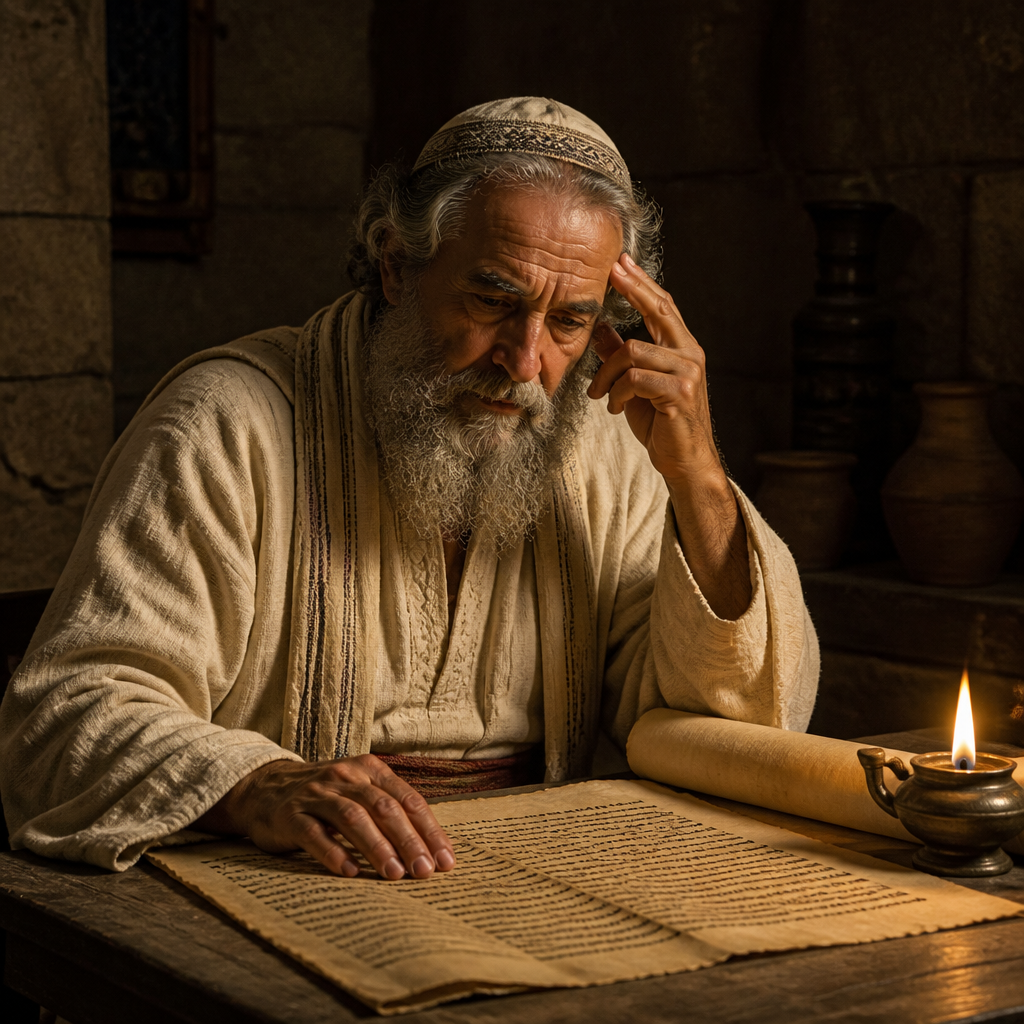 Pashhur, Priest of the House of MalchijahThis page
Children
 Zechariah, Son of PashhurSonNehemiah 11:12Stated
Connected Figures
Family
Father · 1 Chronicles 9:12
Malchijah was a Levite and the father of Pashhur, whose descendants served as prominent priests in the Jerusalem temple during the post-exilic restoration.
Exile and ReturnFirst: 1 Chronicles 9:123 versesPriest / LeviteLevi
Son · Nehemiah 11:12
A Levite of the post-exilic period who served as a temple worker and genealogical link during the repopulation of Jerusalem.
Exile and ReturnFirst: Nehemiah 11:121 versesTemple Worker / LeviteLevi
Categories
Mentions by Book
- 1 Chronicles1
- Ezra2
- Nehemiah2
Scripture References
All 5 indexed verses, in canonical order, from the Berean Standard Bible.
1 Chronicles · 1
- 1 Chronicles 9:12
Adaiah son of Jeroham, the son of Pashhur, the son of Malchijah; Maasai son of Adiel, the son of Jahzerah, the son of Meshullam, the son of Meshillemith, the son of Immer;
Ezra · 2
- Ezra 2:38
the descendants of Pashhur, 1,247;
- Ezra 10:22
From the descendants of Pashhur: Elioenai, Maaseiah, Ishmael, Nethanel, Jozabad, and Elasah.
Nehemiah · 2
- Nehemiah 7:41
the descendants of Pashhur, 1,247;
- Nehemiah 11:12
and their associates who did the work at the temple—822 men; Adaiah son of Jeroham, the son of Pelaliah, the son of Amzi, the son of Zechariah, the son of Pashhur, the son of Malchijah;
Others Named Pashhur
Compare all 5 bearers →Pashhur, Son of ImmerJeremiah 20:1
A high-ranking priest and chief official in the Temple who persecuted the prophet Jeremiah and received a divine curse of exile.
Pashhur, Father of GedaliahJeremiah 38:1
A man of the Divided Monarchy period whose son was a high-ranking official involved in the opposition to the prophet Jeremiah.
Pashhur, Seal-Bearer of NehemiahNehemiah 10:3
A prominent post-exilic leader or priest who joined Nehemiah in signing the formal covenant to remain faithful to God's laws.
Pashhur, Official Son of MalchijahJeremiah 21:1
A prominent official under King Zedekiah who served as a royal messenger and later advocated for the execution of the prophet Jeremiah.