Mijamin, Descendant of Parosh
A lay Israelite from the family of Parosh who returned to Jerusalem from the Babylonian exile and was recorded for having taken a foreign wife.
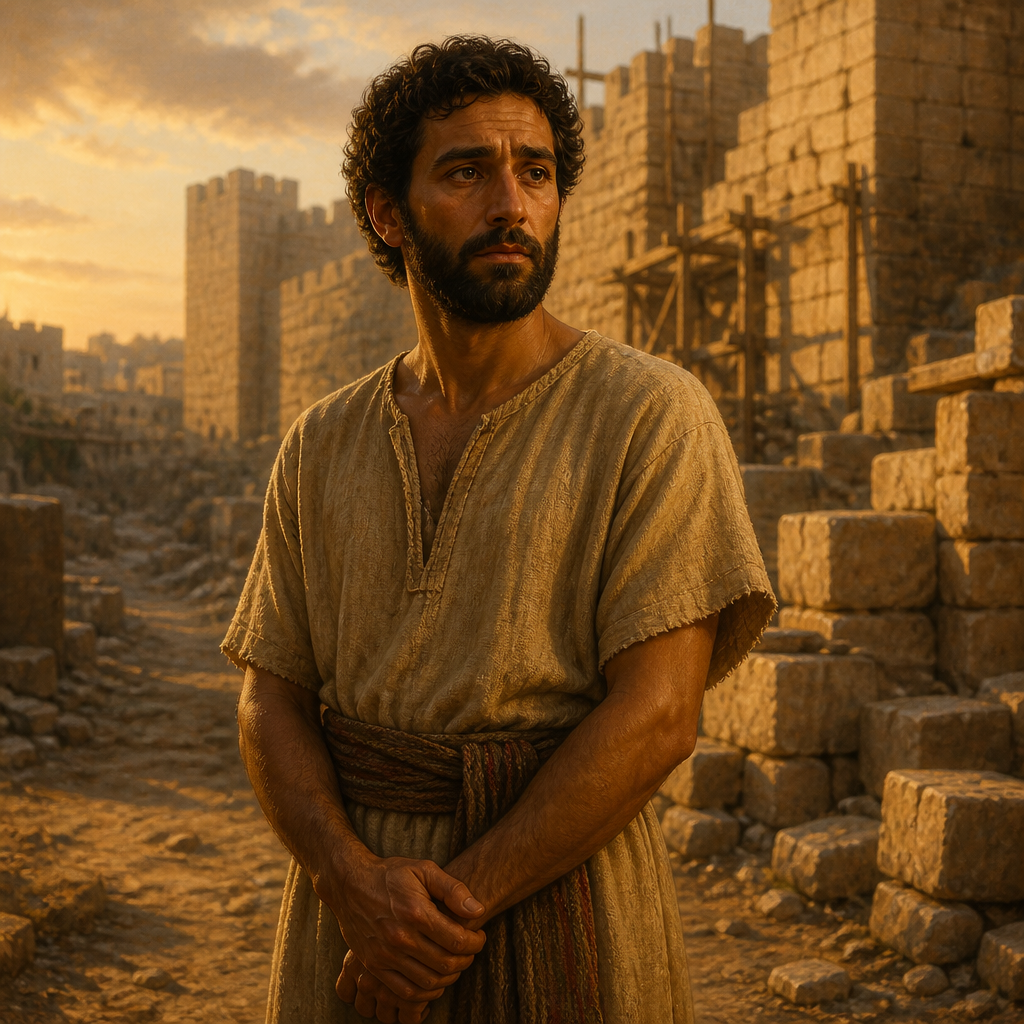
Mijamin was a member of the post-exilic Jewish community during the 5th century BC. He is specifically identified as a descendant of Parosh, one of the significant lay families that returned from Babylon to Jerusalem to participate in the restoration of the nation. Unlike many of his contemporaries named in the genealogies of the period, Mijamin is not identified as a priest or a Levite, but as a member of the general population of Israel.
His primary mention in the biblical record occurs in the context of the reforms led by Ezra the scribe. Upon Ezra's arrival in Jerusalem, he discovered that many of the returnees had violated the covenant by intermarrying with the surrounding local populations. Mijamin was among those identified as having committed this offense and was subsequently required to separate from his foreign wife as part of a national act of repentance.
Background and Family
Mijamin was a descendant of Parosh (also known as Pharosh). The family of Parosh represented one of the largest and most prominent lay groups to return to Judah following the decree of Cyrus the Great. According to the census recorded in Ezra 2:3, the family originally returned with 2,172 members, suggesting Mijamin belonged to a lineage of significant standing within the post-exilic community. While his specific parentage is not provided, his inclusion in the list of the "descendants of Parosh" in Ezra 10:25 places him among the leading laymen of the restoration era.
Major Life Events
The life of Mijamin is framed by the religious and social crisis that gripped Jerusalem in approximately 458 BC. Following the return of the second wave of exiles under Ezra, the leadership was informed that the people, including the laymen, had not kept themselves separate from the neighboring peoples—such as the Canaanites, Hittites, and Moabites—but had instead taken wives from among them.
In Ezra 10, a proclamation was issued requiring all those who had married foreign women to assemble in Jerusalem. Mijamin is listed specifically in Ezra 10:25 as one of the seven men from the line of Parosh who had taken such wives. Along with Ramiah, Izziah, Malchijah, Eleazar, Malchijah, and Benaiah, Mijamin stood before the assembly. The text implies that he, along with the others listed, complied with the decision of the council to put away their foreign wives and offer a trespass offering, thereby seeking to restore the ritual and communal purity of Israel.
Relationship to Other Biblical Figures
Mijamin is listed alongside six other men from the house of Parosh. While the text does not specify if these men were brothers or more distant cousins, they shared a common ancestry and a common legal predicament. He lived during the administration of Ezra the scribe and functioned as part of the lay leadership or significant families that influenced the social fabric of the Second Temple period.
Spiritual Significance
Although Mijamin’s appearance in Scripture is brief, his inclusion in the list of Ezra 10 serves a specific theological purpose. He represents the accountability of the individual within the community. The recording of his name serves as a permanent historical witness to the difficulty of maintaining distinct religious identity in a multicultural environment. His submission to Ezra's decree illustrates the process of corporate repentance and the prioritization of covenantal law over personal domestic arrangements during the restoration of the Jewish state.
Spiritual Significance
Mijamin serves as a representative of the lay Israelites who struggled with cultural assimilation after the Babylonian exile. His inclusion in the lists of Ezra 10 highlights the gravity with which the post-exilic community viewed the preservation of their distinct identity and the necessity of individual compliance with the Law of Moses.
The fact that he is named specifically suggests that even individuals without priestly titles were held to high standards of holiness during the reconstruction of Jerusalem. His story is one of error followed by public correction, reinforcing the theme of restoration through obedience.
Frequently Asked Questions
What does the name Mijamin mean?
The name Mijamin (מִיָּמִן) is of Hebrew origin and is generally understood to mean 'from the right hand' or 'on the right hand,' often signifying a position of favor or strength.
To which tribe did Mijamin belong?
The Bible does not explicitly name his tribe, but he is identified as a descendant of Parosh. The family of Parosh was a major lay family, not a priestly or Levite line, and they are listed among the common Israelites who returned from Babylon.
What was Mijamin’s specific sin in the book of Ezra?
Mijamin was one of the men who had married a foreign woman from the surrounding pagan nations, which was a violation of the Mosaic Law intended to prevent the Israelites from falling into idolatry.
What happened to Mijamin after Ezra 10?
The biblical record does not provide further details on Mijamin's life after he is listed among those who agreed to separate from their foreign wives and offer a sacrifice. He disappears from the historical narrative after this act of repentance.
Connected Figures
Ezra
Leader and scribe who oversaw Mijamin's repentance
Parosh
Ancestral head of Mijamin's family line
Ramiah
Kinsman from the line of Parosh listed with him
Categories
Mentions by Book
- Ezra1
Others Named Mijamin
Mijamin, Priest of the Divided Monarchy1 Chronicles 24:9
Mijamin was a priest during the Divided Monarchy who was selected by lot to serve as the head of the sixth priestly division under the organization of King David.
Mijamin, Priest of the Post-Exilic ReturnNehemiah 10:7
A prominent priest who returned from the Babylonian exile and signed the covenant of faithfulness under Nehemiah.