Mered
Who was Mered in the Bible?
A descendant of Judah during the Egypt and Wilderness era known for his notable marriage to Bithiah, a daughter of Pharaoh.
Mered is a figure mentioned in the genealogical records of the tribe of Judah within the books of Chronicles. He was the son of Ezrah and a brother to Jether, Epher, and Jalon. While his presence in the biblical narrative is brief, he is distinguished by his familial connections, particularly his marriage to a woman named Bithiah, who is explicitly identified as the daughter of Pharaoh. This marriage represents a rare documented instance of a Judean man marrying into the Egyptian royal household.
His life and lineage are recorded amidst the complex tribal inventories that served to establish the heritage and land claims of the people of Judah. Mered’s household was diverse, involving multiple wives and a significant number of offspring who became the founders or leading figures of various Judean settlements, such as Eshtemoa, Gedor, Soco, and Zanoah.
Background and Family
Mered appears in the genealogical records of 1 Chronicles 4, a section dedicated to the descendants of Judah. He is listed as one of the four sons of Ezrah, alongside Jether, Epher, and Jalon. The text places Mered within the broader context of the Egypt and Wilderness era, a time when tribal lineages were meticulously preserved to maintain the social and religious structure of Israel and Judah.
Mered’s personal family structure is notably complex due to the phrasing of the Hebrew text. He is associated with two wives. The first, Bithiah, is identified as a daughter of Pharaoh. The second is referred to as his "Judean wife" (sometimes translated or named as Jehudijah). Through these unions, Mered fathered several children who are credited with settling or leading significant towns in the region of Judah.
Major Life Events
While the Chronicler does not provide a narrative account of Mered’s actions, his marriage to Bithiah, the daughter of Pharaoh, serves as the defining event of his recorded life. In the ancient Near East, a marriage to a Pharaoh’s daughter was an exceptional occurrence for a non-Egyptian, signifying either a period of unusual diplomatic relations or a specific instance of high status for Mered’s family within the Judean community.
According to 1 Chronicles 4:17–18, Bithiah gave birth to Miriam, Shammai, and Ishbah (the father of Eshtemoa). The Judean wife is credited with giving birth to Jered (the father of Gedor), Heber (the father of Soco), and Jekuthiel (the father of Zanoah). These sons are associated with specific geographic locations, suggesting that Mered’s lineage played a vital role in the repopulation and fortification of the Judean foothills and highlands.
Relationship to Other Biblical Figures
Mered’s primary significance in the biblical text is his role as a genealogical bridge. He is the son of Ezrah and the brother of Jether, Epher, and Jalon. However, his most striking relationship is with Bithiah. The inclusion of a "daughter of Pharaoh" in a Judean genealogy has long interested scholars, as it implies a crossing of national and ethnic boundaries that was typically rare for the Israelites, except during specific periods of Egyptian-Israelite cooperation.
His children—specifically Ishbah, Jered, Heber, and Jekuthiel—are linked to the "fathers" (founders or chief inhabitants) of several towns. This connects Mered to the administrative and territorial history of Judah, anchoring his family name to the physical landscape of the Promised Land.
Spiritual Significance
The mention of Mered in the Chronicles serves a specific theological and historical purpose. By documenting his lineage, the text affirms the continuity of the tribe of Judah and the diverse elements that comprised it. The inclusion of Bithiah suggests that even within the strict tribal structures of Israel, there were instances of international integration that were recognized and recorded as part of God's providential ordering of the nation.
Furthermore, Mered’s record highlights the importance of the family unit in the survival and expansion of the Judean state.
Mered’s primary significance lies in his marriage to Bithiah, the daughter of Pharaoh, which highlights the social standing and international connections of certain Judean families. His genealogy serves to validate the ancestral claims of the inhabitants of several Judean towns, emphasizing the importance of lineage in preserving the identity of the covenant people during the monarchy.
Frequently Asked Questions
Who was Mered's father?
Mered was the son of Ezrah, as recorded in 1 Chronicles 4:17.
Who was the daughter of Pharaoh that Mered married?
Mered married Bithiah, who is explicitly identified in 1 Chronicles 4:18 as the daughter of Pharaoh.
What towns are associated with Mered's descendants?
His descendants are associated with the towns of Eshtemoa, Gedor, Soco, and Zanoah.
How many wives did Mered have?
The biblical text mentions two wives: Bithiah (the Egyptian) and a Judean wife (sometimes identified as Jehudijah).
Which tribe did Mered belong to?
Mered belonged to the tribe of Judah, and his genealogy is listed among the descendants of Caleb.
Family & Relationships
Parents
 EzrahFather1 Chronicles 4:17Stated
 BithiahWife1 Chronicles 4:17Stated
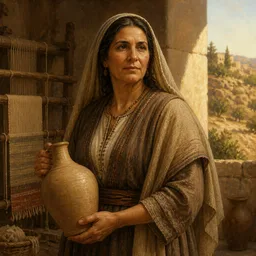 Mered's Judean WifeWife1 Chronicles 4:18
Inferred
No verse names Mered's Judean Wife and Mered together; the husband link is carried from the surrounding genealogy and is not stated in Scripture.Evidence: 1 Chronicles 4:18
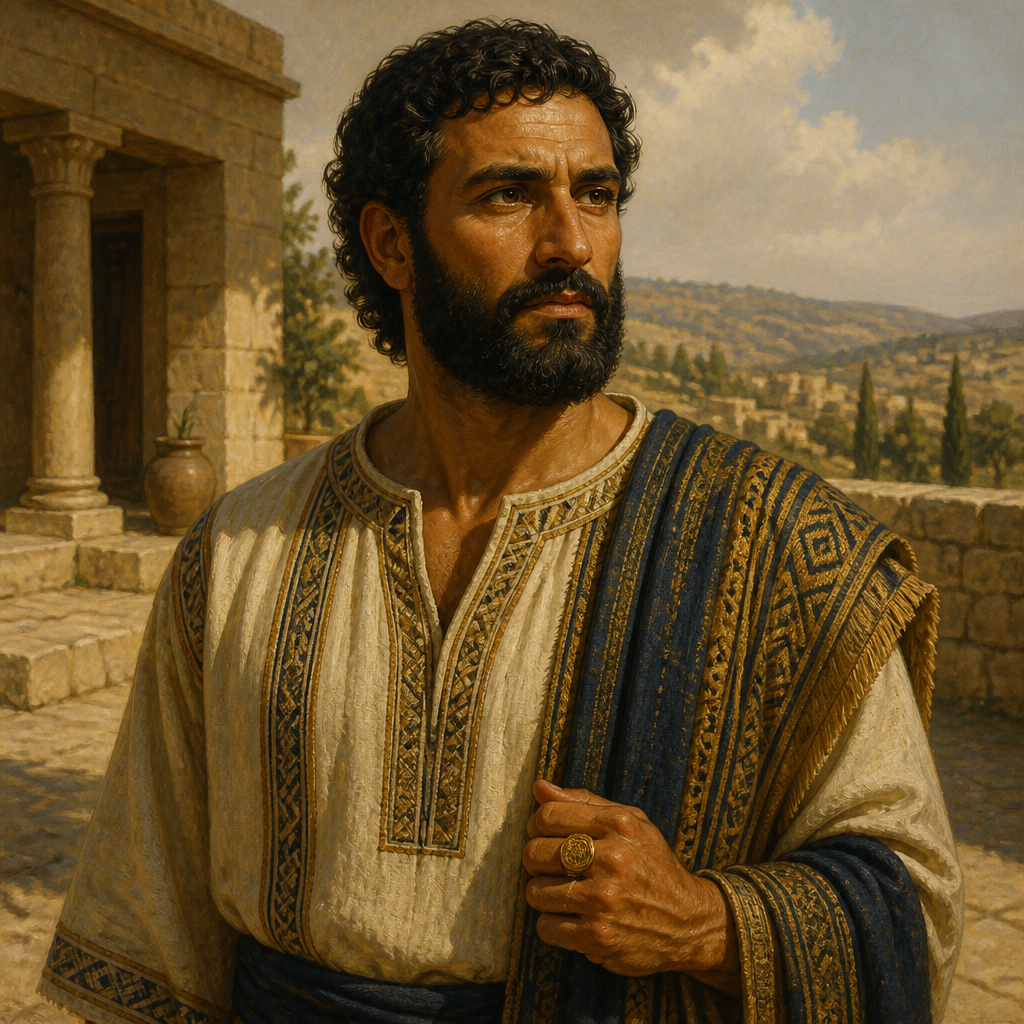 MeredThis page
 Epher, son of EzrahBrother1 Chronicles 4:17Stated
 JalonBrother1 Chronicles 4:17Stated
 Jether, Son of EzrahBrother1 Chronicles 4:17Stated
Children
 Heber, Son of MeredSon1 Chronicles 4:18Stated
 IshbahSon1 Chronicles 4:17Stated
 JekuthielSon1 Chronicles 4:18Stated
 JeredSon1 Chronicles 4:18Stated
 Miriam, Daughter of MeredDaughter1 Chronicles 4:17Stated
 Shammai, Son of MeredSon1 Chronicles 4:17Stated
Extended family
 Pharaoh, Father of BithiahFather-in-law1 Chronicles 4:18
Inferred
1 Chronicles 4:18 lists Mered and Pharaoh among the children of pharaoh’s, but does not say how the two of them are related.Evidence: 1 Chronicles 4:18; 1 Chronicles 4:17
 SocoGrandson1 Chronicles 4:18
Inferred
1 Chronicles 4:18 lists Mered and Soco among the children of pharaoh’s, but does not say how the two of them are related.Evidence: 1 Chronicles 4:18
Connected Figures
Family
Father · 1 Chronicles 4:17
A descendant of Judah whose lineage is recorded in the genealogical records of 1 Chronicles during the Egypt and Wilderness era.
Egypt and WildernessFirst: 1 Chronicles 4:171 versesPatriarchal head of a Judean familyJudah
Wife · 1 Chronicles 4:17
Bithiah was a daughter of Pharaoh and the wife of Mered, an inhabitant of Judah, noted for her inclusion in the Davidic-era genealogical records of 1 Chronicles.
Egypt and WildernessFirst: 1 Chronicles 4:182 versesPrincess
Wife · 1 Chronicles 4:18
A woman of the tribe of Judah mentioned in the genealogies of 1 Chronicles as the mother of Jered, Heber, and Jekuthiel.
Egypt and WildernessFirst: 1 Chronicles 4:181 versesMatriarchJudah
Son · 1 Chronicles 4:18
A descendant of Judah through Mered and his Judean wife, known as the father of Soco within the genealogical records of the Egypt and Wilderness era.
Egypt and WildernessFirst: 1 Chronicles 4:182 versesFounder of SocoJudah
Son · 1 Chronicles 4:17
Ishbah was a descendant of the tribe of Judah, specifically known as the son of Mered and Bithiah and the father of Eshtemoa.
Egypt and WildernessFirst: 1 Chronicles 4:173 versesfounder of EshtemoaJudah
Son · 1 Chronicles 4:18
A member of the tribe of Judah and the father of Zanoah, noted in the post-exilic genealogical records of the Chronicler.
Egypt and WildernessFirst: 1 Chronicles 4:182 versesFounder and leader of ZanoahJudah
Son · 1 Chronicles 4:18
A descendant of Judah through Mered and his Judean wife, known primarily as the father of Gedor.
Daughter · 1 Chronicles 4:17
A member of the Tribe of Judah and daughter of Mered, recorded in the genealogies of the chronicler during the Egypt and Wilderness era.
Son · 1 Chronicles 4:17
A descendant of Judah through the line of Ezrah, born to Mered and his Egyptian wife Bithiah.
Egypt and WildernessFirst: 1 Chronicles 4:172 versesPatriarchJudah
Brother · 1 Chronicles 4:17
A descendant of Judah listed among the sons of Ezrah in the genealogical records of the Egypt and Wilderness era.
Brother · 1 Chronicles 4:17
A member of the tribe of Judah identified in the genealogies of 1 Chronicles as one of the four sons of Ezrah.
Brother · 1 Chronicles 4:17
Jether was a member of the Tribe of Judah and the first-named son of Ezrah, recorded in the genealogical records of the Egypt and Wilderness era.
Mentions by Book
- 1 Chronicles2
Scripture References
All 2 indexed verses, in canonical order, from the Berean Standard Bible.
1 Chronicles · 2
- 1 Chronicles 4:17
The sons of Ezrah: Jether, Mered, Epher, and Jalon. And Mered’s wife Bithiah gave birth to Miriam, Shammai, and Ishbah the father of Eshtemoa.
- 1 Chronicles 4:18
These were the children of Pharaoh’s daughter Bithiah. Mered also took a Judean wife, who gave birth to Jered the father of Gedor, Heber the father of Soco, and Jekuthiel the father of Zanoah.