Jered
Who was Jered in the Bible?
A descendant of Judah through Mered and his Judean wife, known primarily as the father of Gedor.
Jered is a figure mentioned within the expansive genealogical records of the Tribe of Judah in the First Book of Chronicles. His inclusion in these records serves to establish the lineage of various clans and the founding of specific settlements within the territory of Judah. He is specifically identified as the son of Mered and his 'Judean wife,' distinguishing him from the children Mered had by other unions.
While his historical footprint is brief, Jered is associated with the lineage of 'the father of Gedor,' indicating a leadership or ancestral role in the establishment of the town of Gedor. His life and family placement are situated within the broader context of the Egypt and Wilderness era’s genealogical preservation, ensuring that the inheritance of the land remained documented according to ancestral lines.
Background and Family
Jered appears in the genealogical lists of 1 Chronicles 4, a chapter dedicated to the descendants of Judah. According to 1 Chronicles 4:18, Jered was the son of Mered and a woman identified as his 'Judean wife' (often referred to in tradition as Jehudijah). The text distinguishes this union from Mered's marriage to Bithiah, the daughter of Pharaoh.
Jered was part of a large family structure. He is listed alongside his brothers Heber and Jekuthiel. The text also suggests potential sibling relationships with Miriam, Shammai, and Ishbah, though the syntax of the Hebrew genealogy in this specific passage has led to varying interpretations regarding which children belong to which mother.
Major Life Events
There are no narrative events recorded for Jered in the biblical text. His primary historical contribution, as noted in the scriptures, is his role as 'the father of Gedor.' In the context of Hebrew genealogies, being the 'father' of a town often implies that Jered was the founder, the primary settler, or the patriarchal head of the clan that inhabited the specific geographic location of Gedor. Gedor is generally identified as a town in the hill country of Judah, located between Hebron and Jerusalem.
Relationship to Other Biblical Figures
Jered’s identity is defined by his immediate kin. His father, Mered, is a figure of note due to his marriage to an Egyptian princess, Bithiah. Jered’s brothers, Heber and Jekuthiel, also hold the title of 'father' over other Judean towns—Soco and Zanoah, respectively. This suggests that Jered’s family was instrumental in the domestic colonization and administrative organization of the Judean heartland during the Egypt and Wilderness era, as these records were maintained to justify land claims and tribal heritage.
Spiritual Significance
The mention of Jered underscores the biblical theme of divine providence in the preservation of the Tribe of Judah. By recording figures like Jered, the Chronicler emphasizes that every member of the covenant community, regardless of how little narrative space they occupy, plays a role in the continuity of the people of God. Jered’s lineage specifically links the common Judean heritage to the prominent families who managed the land allotted by God.
Jered’s significance lies in the preservation of the Judean lineage. His inclusion in the 1 Chronicles genealogy confirms the legal and ancestral rights of his descendants to the region of Gedor. Theologically, he represents the 'silent majority' of the biblical record—individuals who were vital to the survival and structure of the nation of Israel but whose specific deeds were not central to the primary redemptive narrative. His placement within the tribe of Judah also connects him to the royal tribe from which the Davidic kings and, eventually, the Messiah would descend.
Frequently Asked Questions
Who was Jered's father?
Jered was the son of Mered, a descendant of the tribe of Judah.
What town is Jered associated with?
Jered is identified as the 'father of Gedor,' signifying his role as an ancestor or founder of that settlement.
Who were Jered's brothers?
His brothers listed in 1 Chronicles 4:18 are Heber (father of Soco) and Jekuthiel (father of Zanoah).
Who was Jered's mother?
Jered was the son of Mered's Judean wife, sometimes identified as Jehudijah, distinguishing him from the children of Bithiah, the daughter of Pharaoh.
In which book of the Bible is Jered found?
Jered is mentioned only in the First Book of Chronicles, specifically in chapter 4, verse 18.
Family & Relationships
Parents
 MeredFather1 Chronicles 4:18Stated
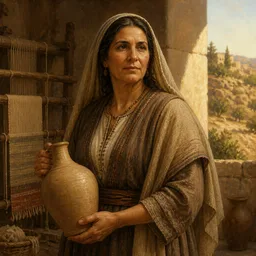 Mered's Judean WifeMother1 Chronicles 4:18
Inferred
No verse names Mered's Judean Wife and Jered together; the son link is carried from the surrounding genealogy and is not stated in Scripture.Evidence: 1 Chronicles 4:18
 JeredThis page
 Heber, Son of MeredBrother1 Chronicles 4:18Stated
 IshbahBrother1 Chronicles 4:17–18Stated
 JekuthielBrother1 Chronicles 4:18Stated
 Miriam, Daughter of MeredSister1 Chronicles 4:17–18Stated
 Shammai, Son of MeredBrother1 Chronicles 4:17–18Stated
Extended family
 Pharaoh, Father of BithiahGrandfather1 Chronicles 4:17
Inferred
Reconstructed through Mered: 1 Chronicles 4:18 ties Jered to Mered; 1 Chronicles 4:18 ties Mered to Pharaoh (itself an inferred link). No verse states the grandfather link between Jered and Pharaoh directly.Evidence: 1 Chronicles 4:17
 SocoNephew1 Chronicles 4:18
Inferred
1 Chronicles 4:18 lists Soco and Jered among the children of pharaoh’s, but does not say how the two of them are related.Evidence: 1 Chronicles 4:18
Connected Figures
Family
Father · 1 Chronicles 4:18
A descendant of Judah during the Egypt and Wilderness era known for his notable marriage to Bithiah, a daughter of Pharaoh.
Egypt and WildernessFirst: 1 Chronicles 4:172 versesprogenitorJudah
Mother · 1 Chronicles 4:18
A woman of the tribe of Judah mentioned in the genealogies of 1 Chronicles as the mother of Jered, Heber, and Jekuthiel.
Egypt and WildernessFirst: 1 Chronicles 4:181 versesMatriarchJudah
Brother · 1 Chronicles 4:18
A descendant of Judah through Mered and his Judean wife, known as the father of Soco within the genealogical records of the Egypt and Wilderness era.
Egypt and WildernessFirst: 1 Chronicles 4:182 versesFounder of SocoJudah
Brother · 1 Chronicles 4:17–18
Ishbah was a descendant of the tribe of Judah, specifically known as the son of Mered and Bithiah and the father of Eshtemoa.
Egypt and WildernessFirst: 1 Chronicles 4:173 versesfounder of EshtemoaJudah
Brother · 1 Chronicles 4:18
A member of the tribe of Judah and the father of Zanoah, noted in the post-exilic genealogical records of the Chronicler.
Egypt and WildernessFirst: 1 Chronicles 4:182 versesFounder and leader of ZanoahJudah
Sister · 1 Chronicles 4:17–18
A member of the Tribe of Judah and daughter of Mered, recorded in the genealogies of the chronicler during the Egypt and Wilderness era.
Brother · 1 Chronicles 4:17–18
A descendant of Judah through the line of Ezrah, born to Mered and his Egyptian wife Bithiah.
Egypt and WildernessFirst: 1 Chronicles 4:172 versesPatriarchJudah
Grandfather · 1 Chronicles 4:17
An Egyptian monarch whose daughter, Bithiah, married Mered of the tribe of Judah.
Egypt and WildernessFirst: 1 Chronicles 4:182 versesMonarch of Egypt
Nephew · 1 Chronicles 4:18
Soco was a descendant of the tribe of Judah, the son of Heber and a grandson of Mered and his Judean wife.
Mentions by Book
- 1 Chronicles2
Scripture References
All 2 indexed verses, in canonical order, from the Berean Standard Bible.
1 Chronicles · 2
- 1 Chronicles 4:17Partial
The sons of Ezrah: Jether, Mered, Epher, and Jalon. And Mered’s wife Bithiah gave birth to Miriam, Shammai, and Ishbah the father of Eshtemoa.
Cited as evidence on a family card; added so References, Key Verses and Mentions by Book share one index.
- 1 Chronicles 4:18
These were the children of Pharaoh’s daughter Bithiah. Mered also took a Judean wife, who gave birth to Jered the father of Gedor, Heber the father of Soco, and Jekuthiel the father of Zanoah.