Ephod
Who was Ephod in the Bible?
A member of the tribe of Manasseh and the father of Hanniel, who served as a tribal leader during the division of the Promised Land.
Ephod was a man from the tribe of Manasseh who lived during the late stages of the Israelite wanderings in the wilderness. While he is only mentioned once in the biblical text, he is identified by his paternity of a significant tribal leader. His name is distinct for sharing its form with the sacred priestly garment used by the Levites, though in this context, it serves as a personal proper name.
Ephod likely belonged to the generation of Israelites that perished in the wilderness or were at the advanced age of the transition into Canaan. His inclusion in the genealogical record serves to establish the legitimacy and lineage of his son, Hanniel, who was appointed by divine mandate to oversee the distribution of tribal territories under the leadership of Moses, Eleazar the priest, and Joshua son of Nun.
Background and Family
The biblical record concerning Ephod is found exclusively within the geographical and administrative transition of Israel from the wilderness to the land of Canaan. He is identified in Numbers 34:23 as the father of Hanniel, a leader (prince or chief) from the tribe of Manasseh. Because his son was a contemporary of Moses and Joshua during the final year of the Exodus, Ephod himself likely lived through the Egyptian sojourn and the subsequent wilderness period.
His tribal affiliation is with Manasseh, the firstborn son of Joseph. This placement suggests that Ephod was part of a lineage that maintained a position of some social or familial standing, as his son was selected to represent the entire tribe in a matter of national importance. The Bible does not provide the name of Ephod's wife or his other children, focusing solely on the line leading to Hanniel.
Major Life Events
There are no specific biographical events recorded for Ephod in the Masoretic Text. His presence in the narrative is entirely genealogical. He is cited during the formal listing of the men appointed to divide the land of Canaan among the tribes of Israel. This decree was given by God to Moses while the Israelites were camped on the plains of Moab by the Jordan across from Jericho.
Although Ephod is not described as performing any specific actions, his name appears in the context of a significant administrative milestone: the transition from a nomadic existence to a settled national life. The text mentions him to define the identity of Hanniel, stating, "Hanniel son of Ephod, a leader from the tribe of Manasseh son of Joseph" (Numbers 34:23).
Relationship to Other Biblical Figures
Ephod’s primary relationship is to his son, Hanniel. Through this connection, Ephod is indirectly linked to the highest leadership of Israel at the time: Moses, the lawgiver; Eleazar, the High Priest; and Joshua, the future military commander. As his son was one of the ten men chosen to assist Eleazar and Joshua in the allotment of the land, Ephod's family was at the center of the fulfillment of the Abrahamic covenant regarding the inheritance of the land.
Spiritual Significance
While the text does not elaborate on Ephod's personal faith or character, the inclusion of his name in the sacred record signifies the importance of lineage in the Hebrew tradition. In the context of the Book of Numbers, every named individual represents a link in the chain of God's promises to the patriarchs. By being recorded as the father of a leader, Ephod is memorialized as part of the generation that bridged the gap between the slavery of Egypt and the inheritance of the Promised Land. His name, which means "girdle" or "covering," reflects a period where personal names often carried functional or descriptive meanings within the Semitic linguistic tradition.
Ephod's significance lies in his role as a progenitor within the tribe of Manasseh. His name serves as a genealogical anchor for Hanniel, ensuring that the tribal leadership responsible for the division of Canaan was properly documented and recognized by the community. In the broader theological scope of the Pentateuch, Ephod represents the countless individuals whose lives formed the foundation for Israel's national identity, even if their personal deeds were not recorded.
Furthermore, the mention of Ephod reinforces the meticulous nature of the land distribution process. By naming the fathers of the leaders, the text emphasizes that the division of the land was a legal and ancestral matter, sanctioned by God and carried out by recognized representatives of the people.
Frequently Asked Questions
Who was Ephod in the Bible?
Ephod was a member of the tribe of Manasseh and the father of Hanniel, who was one of the leaders appointed to help divide the land of Canaan.
What tribe did Ephod belong to?
Ephod belonged to the tribe of Manasseh, which was one of the two tribes descended from Joseph.
Where is Ephod mentioned in the Bible?
Ephod is mentioned only once in the Bible, in Numbers 34:23.
Did Ephod enter the Promised Land?
The Bible does not state whether Ephod entered Canaan. Since his son was a leader during the land division, it is possible Ephod was part of the older generation that died in the wilderness, but the text is silent on his death.
What does the name Ephod mean?
The name Ephod (אֵפֹד) is generally understood to mean 'covering' or 'girdle.' While it is also the name of a priestly garment, in this context, it is a personal name.
Family & Relationships
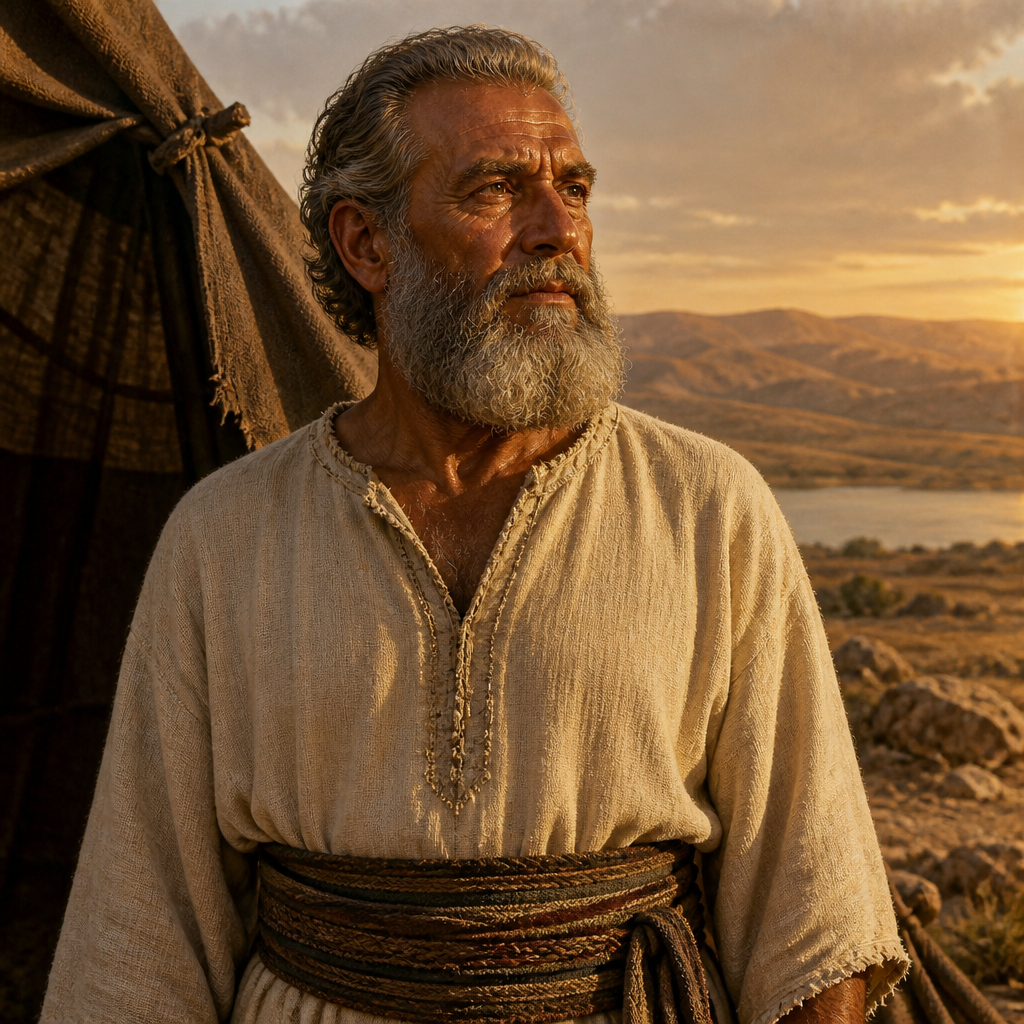 EphodThis page
Children
 Hanniel, Son of EphodSonNumbers 34:23Stated
Connected Figures
Family
Son · Numbers 34:23
A prince and tribal leader of the tribe of Manasseh appointed by God to assist in the division of the Promised Land among the Israelites.
Egypt and WildernessFirst: Numbers 34:231 versesland commissionerManasseh
Categories
Mentions by Book
- Numbers1
Scripture References
All 1 indexed verse, in canonical order, from the Berean Standard Bible.
Numbers · 1
- Numbers 34:23
Hanniel son of Ephod, a leader from the tribe of Manasseh son of Joseph;