Bunah
Who was Bunah in the Bible?
Bunah was a member of the Tribe of Judah and a son of Jerahmeel, documented within the genealogical records of the Egypt and Wilderness era.
Bunah is a figure belonging to the Tribe of Judah, appearing in the genealogical records of the First Book of Chronicles.
His placement in the biblical record serves to establish the lineage of the Jerahmeelites, a significant sub-group within Judah. While the biblical narrative does not record his individual actions, his presence in the sacred text affirms the continuity and preservation of the tribal structures that underpinned Israelite society during the reigns of Saul, David, and Solomon.
Background and Family
Bunah is identified in the biblical record as the son of Jerahmeel, who was the firstborn son of Hezron (1 Chronicles 2:25). Hezron, in turn, was the son of Perez and the grandson of the patriarch Judah. This lineage places Bunah within the core ancestral line of the Tribe of Judah, the tribe that would eventually produce the Davidic dynasty.
Bunah’s mother is noted in the surrounding text as Atarah, though the specific phrasing of 1 Chronicles 2:25 focuses on his relationship to his father, Jerahmeel. He is listed alongside his siblings: Ram (the firstborn), Oren, Ozem, and Ahijah. As part of the Jerahmeelite branch, Bunah represents a specific demographic within the tribal territory of Judah that maintained a distinct identity even while integrated into the larger national structure during the Egypt and Wilderness era.
Major Life Events
There are no specific biographical events or narrative actions recorded for Bunah in the Holy Scriptures. His life is preserved exclusively through his genealogical entry. In the context of the Chronicler’s work, the inclusion of Bunah’s name served as a legal and historical anchor for his descendants.
Living during or descending from the era of the Egypt and Wilderness era, Bunah would have been part of a period characterized by the centralized administration of the Israelite tribes. His existence signifies the expansion and settling of the Judean families in their allotted territories.
Relationship to Other Biblical Figures
Bunah’s primary significance is found in his relationship to the house of Hezron. He is the brother of Ram, Oren, Ozem, and Ahijah. His father, Jerahmeel, was a prominent figure whose descendants (the Jerahmeelites) are mentioned elsewhere in scripture as a distinct group inhabiting the Negeb of Judah (1 Samuel 27:10).
Through his grandfather Hezron, Bunah is distantly related to Caleb and the royal line of David, though he belongs to a different branch than the one that produced the kings of Israel. His family ties illustrate the complexity and breadth of the Tribe of Judah's internal structure.
Spiritual Significance
While Bunah is not a protagonist in the moral or prophetic dramas of the Old Testament, his inclusion in the Bible carries theological weight regarding the sovereignty and memory of God. The meticulous recording of names like Bunah reflects the biblical conviction that every member of the covenant community is known to God.
In the ancient Near Eastern context, being recorded in a genealogy was a matter of spiritual and social survival. For the reader of 1 Chronicles, Bunah represents a link in the chain of the people of God, ensuring that the promises made to Judah remained grounded in actual, historical families. His life, though quiet in the narrative sense, contributes to the overall tapestry of Israel’s historical reality.
Bunah's significance lies in his role within the genealogical preservation of the Tribe of Judah. By documenting figures like Bunah, the Bible provides a verifiable historical framework for the families of Israel, ensuring that tribal inheritance and identity were maintained through the United Monarchy and beyond. His presence underscores the importance of the Jerahmeelite lineage within the southern territories of Israel.
Frequently Asked Questions
Who was Bunah's father?
Bunah was the son of Jerahmeel, the firstborn son of Hezron.
Which tribe did Bunah belong to?
Bunah belonged to the Tribe of Judah.
How many brothers did Bunah have?
According to 1 Chronicles 2:25, Bunah had four brothers: Ram, Oren, Ozem, and Ahijah.
In which book of the Bible is Bunah mentioned?
Bunah is mentioned in the First Book of Chronicles, specifically in chapter 2, verse 25.
Family & Relationships
Parents
 Jerahmeel, Son of HezronFather1 Chronicles 2:25Stated
 AtarahMother1 Chronicles 2:26
Inferred
Reconstructed through Jerahmeel: 1 Chronicles 2:26 ties Atarah to Jerahmeel (itself an inferred link); 1 Chronicles 2:25 ties Jerahmeel to Bunah. No verse states the son link between Atarah and Bunah directly.Evidence: 1 Chronicles 2:26; 1 Chronicles 2:27; 1 Chronicles 2:25
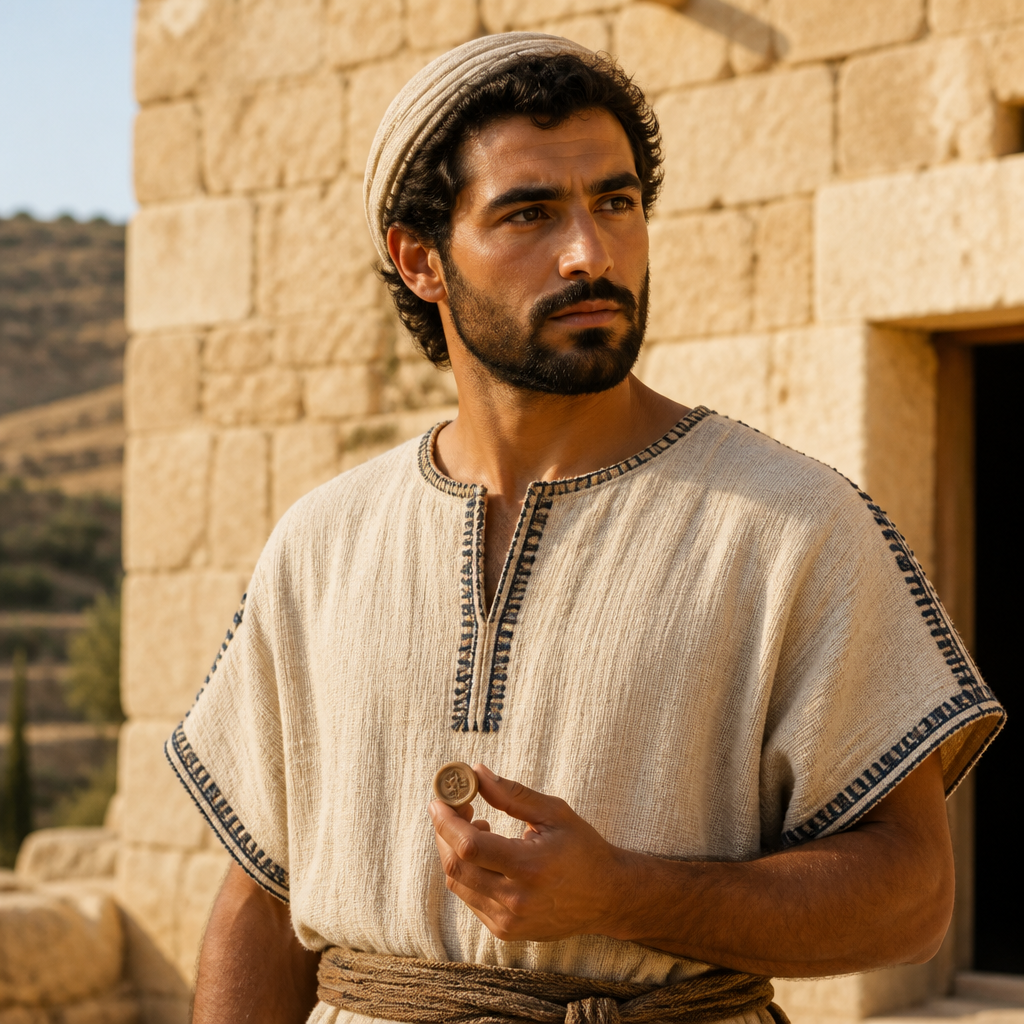 BunahThis page
 Ahijah, Son of JerahmeelBrother1 Chronicles 2:25Stated
 Onam, Son of JerahmeelBrother1 Chronicles 2:25Stated
 OrenBrother1 Chronicles 2:25Stated
 Ozem, Son of JerahmeelBrother1 Chronicles 2:25Stated
 Ram, Son of JerahmeelBrother1 Chronicles 2:25Stated
Connected Figures
Family
Father · 1 Chronicles 2:25
The firstborn son of Hezron and a significant clan founder within the tribe of Judah, whose descendants occupied the southern Negev region.
Mother · 1 Chronicles 2:26
Atarah was a wife of Jerahmeel and the mother of Onam within the genealogical records of the Tribe of Judah during the Egypt and Wilderness era.
Egypt and WildernessFirst: 1 Chronicles 2:262 versesMatriarchJudah
Brother · 1 Chronicles 2:25
A descendant of the tribe of Judah and the house of Hezron during the Egypt and Wilderness era.
Brother · 1 Chronicles 2:25
A descendant of Judah through the line of Jerahmeel, recognized in biblical genealogies as the father of Shammai and Jada.
Brother · 1 Chronicles 2:25
Oren was a descendant of the tribe of Judah and a son of Jerahmeel, documented within the genealogical records of the Egypt and Wilderness era.
Brother · 1 Chronicles 2:25
Ozem was a descendant of Judah through the line of Jerahmeel, recorded in the genealogies of 1 Chronicles during the Egypt and Wilderness era.
Brother · 1 Chronicles 2:25
The firstborn son of Jerahmeel within the Tribe of Judah and the father of Maaz, Jamin, and Eker during the Egypt and Wilderness era.
Mentions by Book
- 1 Chronicles2
Scripture References
All 2 indexed verses, in canonical order, from the Berean Standard Bible.
1 Chronicles · 2
- 1 Chronicles 2:25
The sons of Jerahmeel the firstborn of Hezron: Ram his firstborn, Bunah, Oren, Ozem, and Ahijah.
- 1 Chronicles 2:26Partial
Jerahmeel had another wife named Atarah, who was the mother of Onam.
Cited as evidence on a family card; added so References, Key Verses and Mentions by Book share one index.