Agag, King of the Wilderness Era
A powerful monarch of the Sinai region mentioned by Balaam as a benchmark of royal greatness during the Israelites' wilderness wanderings.
Agag is a figure mentioned in the Book of Numbers within the context of the oracles of Balaam. During the period when the Israelites were encamped in the plains of Moab toward the end of their wilderness journey, King Balak of Moab summoned the seer Balaam to curse the Hebrew people. Instead, under divine influence, Balaam delivered a series of blessings, one of which utilized Agag as a comparative standard for regal power and national prestige.
In this specific historical and literary context, Agag represents a pinnacle of contemporary earthly authority. His inclusion in the text serves to highlight the future exaltation of the Israelite monarchy, suggesting that the coming King of Israel would surpass even the most formidable rulers known to the inhabitants of the Sinai and surrounding regions during the late 15th or early 13th century BC.
Background and Family
The historical record regarding Agag in the Book of Numbers is exceptionally brief. He is identified within the third oracle of Balaam (Numbers 24:7) as a ruler of significant stature. The text associates him with the regions of the Sinai and the wilderness through which Israel traveled. While the Bible does not provide a genealogy, specific family members, or a detailed account of his reign, the context of the passage implies that he was a contemporary figure of great renown among the nations bordering the path of the Exodus.
Scholars often debate whether "Agag" was a personal name or a dynastic title used by a succession of rulers in the region, similar to titles like "Pharaoh" in Egypt or "Abimelech" among the Philistines. Given the singular reference in this era, he stands as a representative of the peak of local political power during the Wilderness period.
Major Life Events
There are no specific biographical events recorded for this Agag. He does not interact directly with Moses, Aaron, or the Israelite leadership. Instead, his presence in the biblical narrative is strictly rhetorical and prophetic. He appears in the scriptures during the encounter between Balak and Balaam:
"Water will flow from his buckets, and his seed will have abundant water. His king will be greater than Agag, and his kingdom will be exalted." (Numbers 24:7)
In this scene, Balaam looks out over the vast camp of Israel and describes their future prosperity and dominance. By citing Agag, Balaam uses a figure that his audience—King Balak and the princes of Moab—would have recognized as a symbol of immense strength. The prophecy declares that the future king of Israel will be "greater than Agag," signifying a total eclipse of the established regional powers by the rising nation of Israel.
Relationship to Other Biblical Figures
Agag’s primary relationship in the text is his indirect connection to Balaam and Balak. He serves as the foil to the future King of Israel. While he is not described as an ally or an enemy in a direct military sense within this passage, he represents the standard of greatness against which the Israelite monarchy is measured. There is no recorded interaction between this Agag and the Israelites themselves, though his kingdom was clearly a factor in the geopolitical landscape of the Sinai during the Exodus era.
Spiritual Significance
The theological weight of Agag’s mention lies in the theme of divine sovereignty and the elevation of God's chosen people. In the ancient Near Eastern context, a king’s greatness was a reflection of his god's favor. By proclaiming that Israel’s king would surpass Agag, the oracle asserts that Yahweh is superior to the deities of the wilderness tribes.
Furthermore, this mention is often viewed by commentators as a proto-messianic reference. The "king" mentioned who will be greater than Agag is interpreted as both the immediate line of Israelite kings and, ultimately, the Messiah. Agag represents the height of human, worldly government, which must eventually give way to the exalted kingdom of God established through His chosen ruler.
Spiritual Significance
Agag serves as a literary and historical benchmark for royal power during the Exodus. His mention in Numbers 24:7 is significant because it demonstrates that even the most formidable contemporary rulers were considered secondary to the future glory promised to Israel by God. Theologically, he represents the earthly standard of 'greatness' that the divine kingdom is destined to surpass.
Frequently Asked Questions
Who was Agag in the Book of Numbers?
Agag was a king in the Sinai/wilderness region during the time of Moses, used as a symbol of great royal power in the prophecies of Balaam.
Did Agag ever fight against Moses?
There is no biblical record of a military conflict or any direct interaction between this Agag and Moses or the Israelites.
Why is Agag mentioned in Balaam’s prophecy?
He is mentioned to provide a comparison; Balaam prophesied that Israel's future king would be even greater and more exalted than the powerful Agag.
Was 'Agag' a name or a title?
While the Bible uses it as a name, many scholars believe it may have been a royal title used by kings of that specific region, much like 'Pharaoh'.
Connected Figures
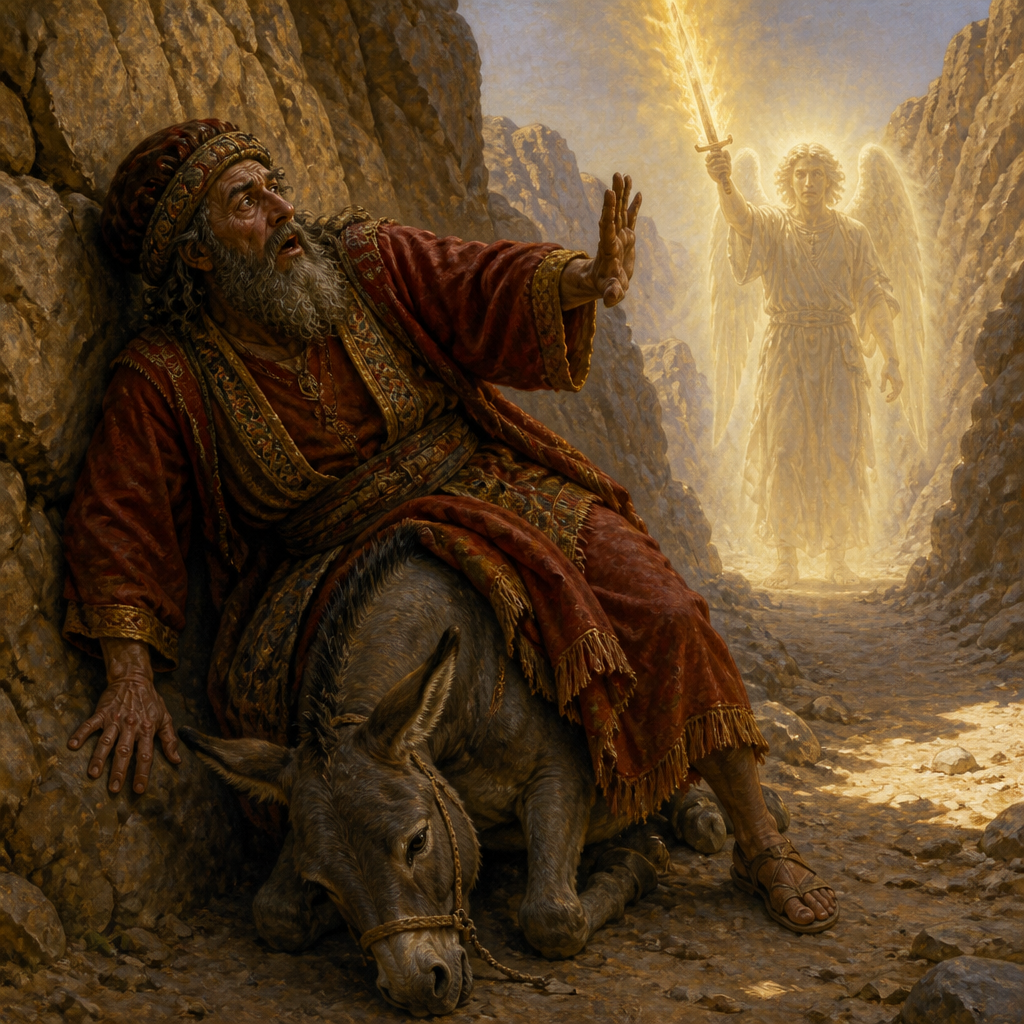
Balaam
Prophet who mentioned him
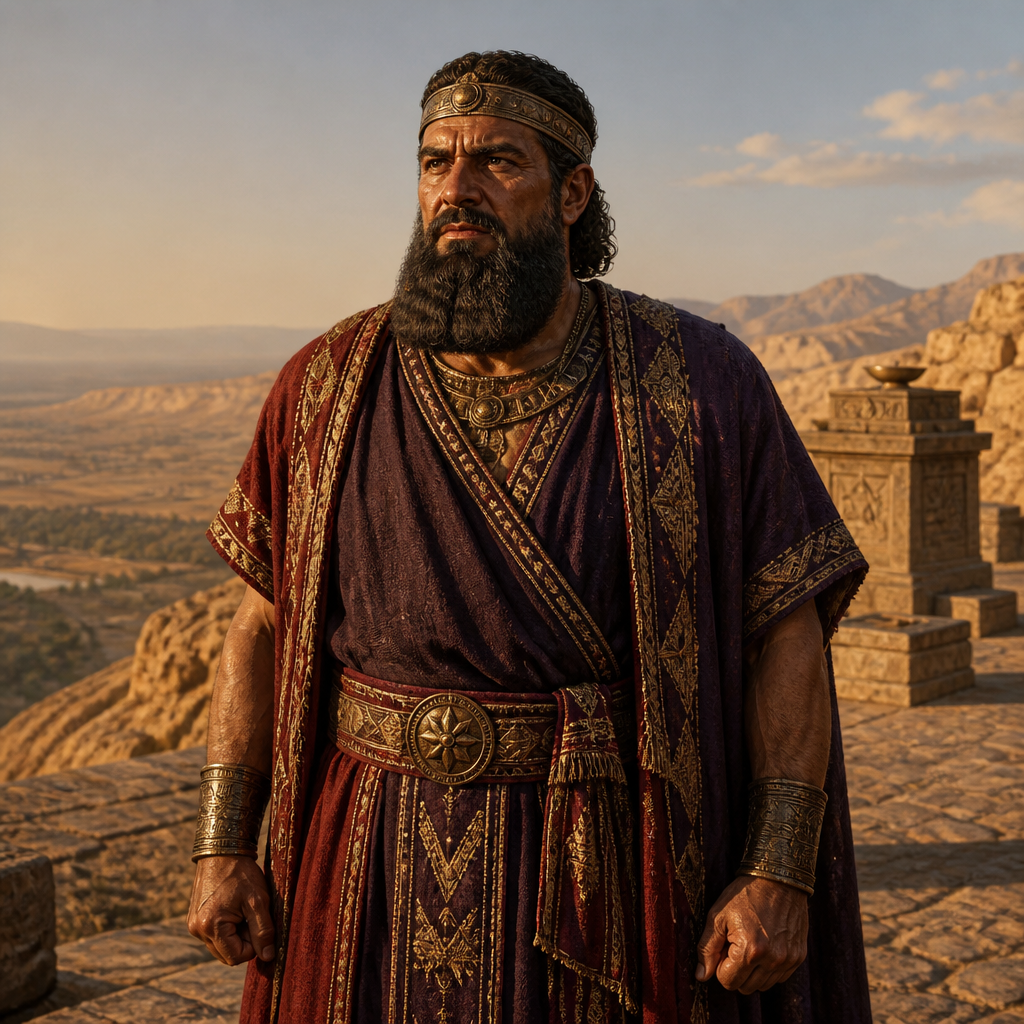
Balak
King who heard the prophecy concerning him
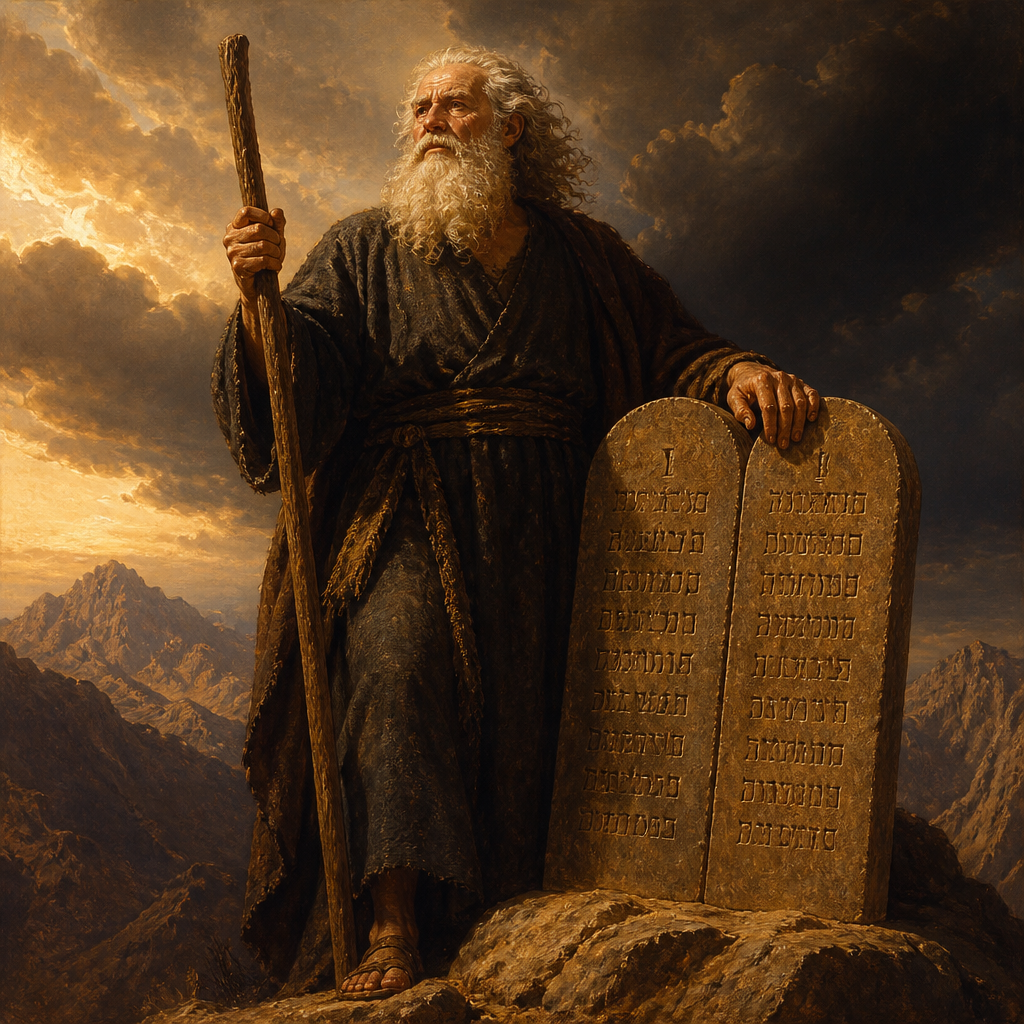
Moses
Leader of Israel during this era
Categories
Mentions by Book
- Numbers1
Others Named Agag
Agag, King of the Amalekites1 Samuel 15:8
The Amalekite king captured by Saul and executed by Samuel, whose lineage is later linked to Haman in the Book of Esther.