Zimmah, Levite of the Divided Monarchy
A Gershonite Levite during the reign of King Hezekiah whose lineage was instrumental in the purification of the Temple.
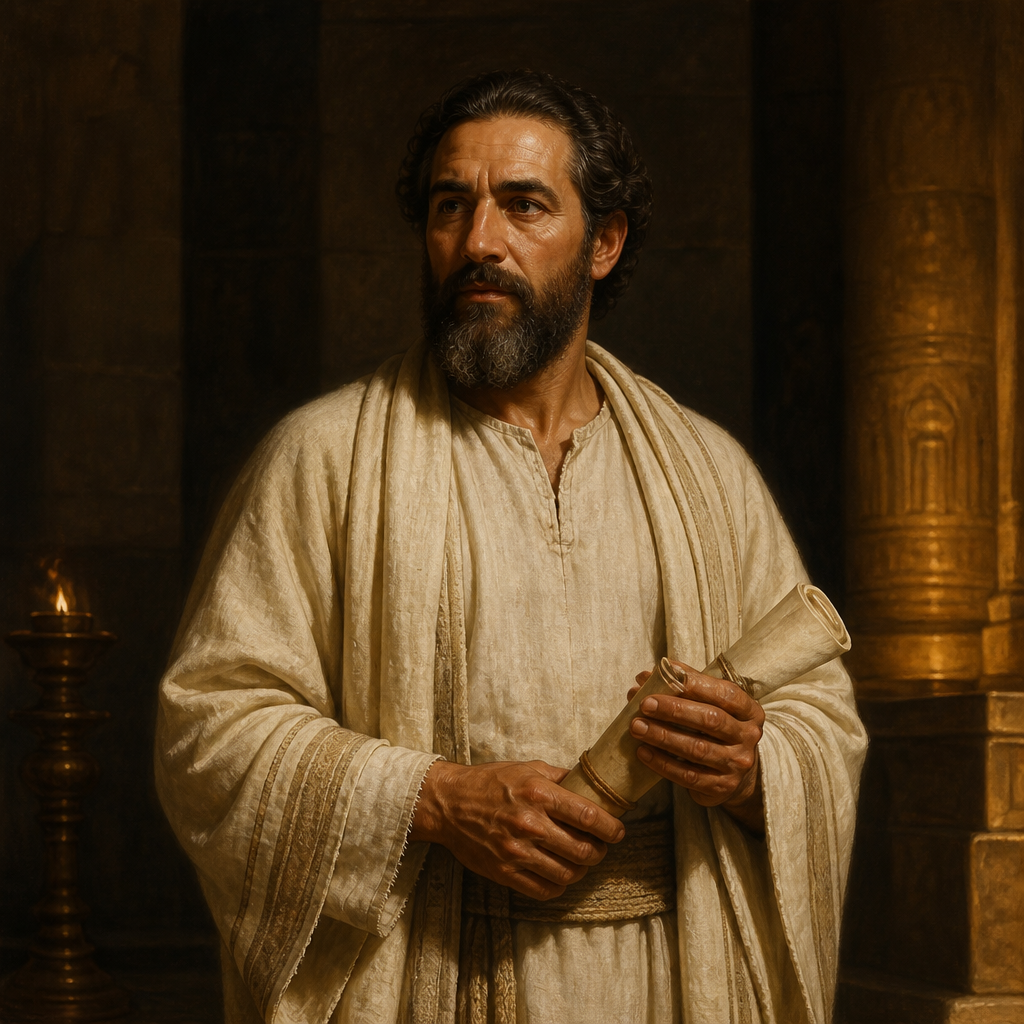
Zimmah was a member of the tribe of Levi belonging to the Gershonite clan during the 8th century BC. His name appears in the context of the religious reforms initiated by King Hezekiah of Judah. He serves as a genealogical link in the priestly service, maintaining the continuity of the Levitical duties during a critical transition from the idolatrous reign of Ahaz to the restoration of Yahwism under Hezekiah.
Historically, Zimmah’s identity is defined by his contribution to the workforce that cleansed the House of the Lord. While the biblical record provides limited personal details, his inclusion in the sacred text underscores the importance of ancestral heritage in the administrative and spiritual life of the Divided Monarchy. He is specifically identified through his son, Joah, and his grandson, Eden.
Background and Family
Zimmah was a descendant of Gershon (also known as Gershom), the eldest son of Levi. In the organizational structure of the Divided Monarchy, the Gershonites were one of the three primary Levitical divisions responsible for the service of the Tabernacle and later the Temple. According to 2 Chronicles 29:12, Zimmah lived during the late 8th century BC, a period marked by significant political and spiritual upheaval in the Southern Kingdom of Judah.
The genealogical record identifies Zimmah as the father of Joah and the grandfather of Eden. This lineage is significant because it establishes the legitimacy of his descendants as they prepared to undertake the sanctification of the Temple. In the ancient Near Eastern context, such genealogies were not merely family trees but credentials that authorized individuals to handle the holy vessels and enter the sacred precincts.
Major Life Events
The primary event associated with Zimmah occurs during the first year of King Hezekiah’s reign (c. 715 BC). After the Temple had been shut and defiled under the previous administration, Hezekiah called for a total restoration of the Mosaic covenant. Zimmah’s family was among those who answered the royal summons to sanctify themselves and remove the uncleanness from the sanctuary.
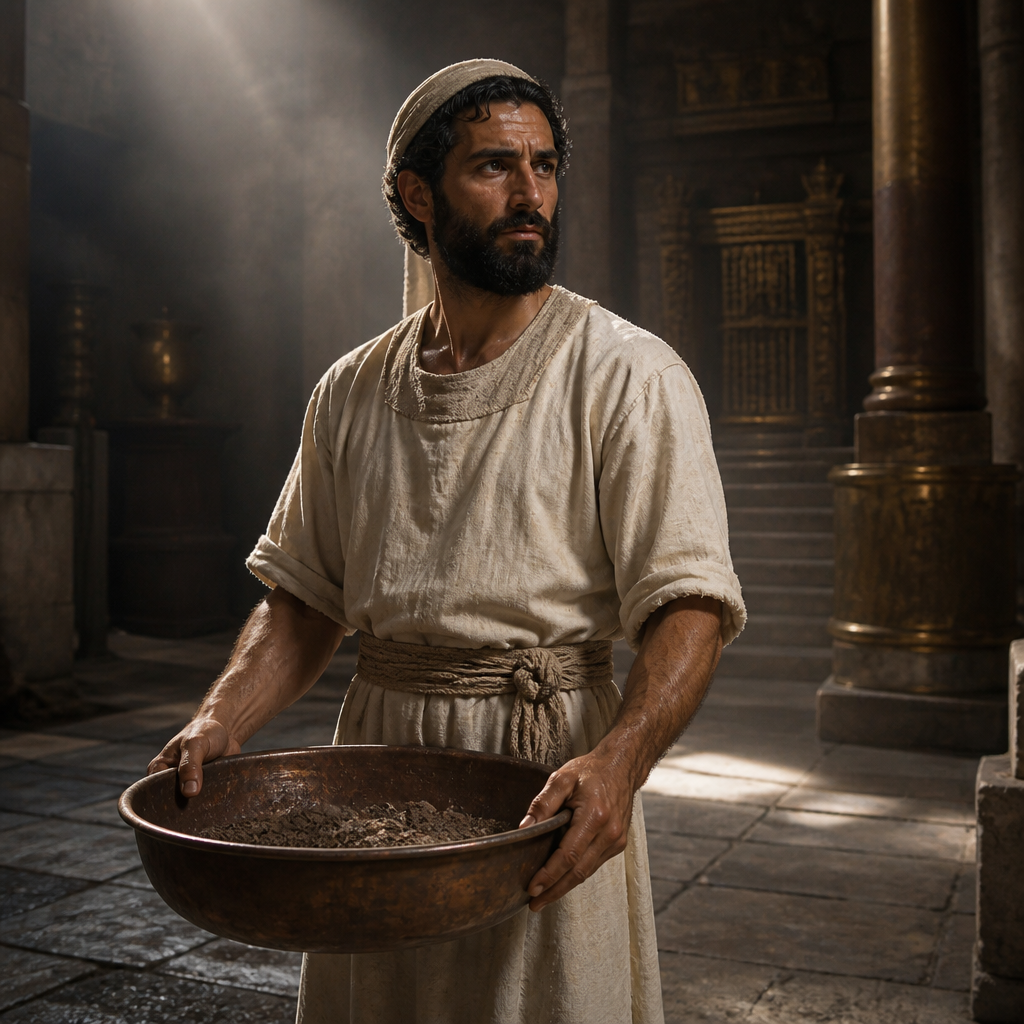
While the text focuses on the active labor of his son, Joah, and grandson, Eden, Zimmah represents the established household from which these reformers emerged. The Gershonites, including Zimmah's line, were specifically tasked with the internal cleansing of the Temple, a process that took sixteen days to complete. This act was the prerequisite for the Great Passover that would follow, signaling the spiritual reunification of the people.
Relationship to Other Biblical Figures
Zimmah is directly connected to two other figures named in the Chronicler’s account of the Hezekian reforms. He is the father of Joah, who was one of the two Gershonites who "set to work" alongside Kohathites and Merarites. Furthermore, he is the grandfather of Eden, who is also listed as a participant in the work. This three-generation involvement highlights a family-wide commitment to the restoration of the priesthood. Zimmah’s role is that of the patriarch of this specific sub-branch of the Gershonite family, providing the necessary ancestral link to the historical Levitical orders.
Spiritual Significance
In the theological framework of 2 Chronicles, Zimmah represents the preservation of the Levitical tradition. Even during times of national apostasy, the lines of the priesthood remained intact, ready to be called upon when a righteous king sought to restore the law. His mention signifies that God maintains a remnant of faithful servants across generations. By ensuring that Joah and Eden were raised within the Levitical tradition, Zimmah contributed to the eventual success of Hezekiah’s reforms, demonstrating that individual faithfulness in obscure roles provides the foundation for national spiritual renewal.
Spiritual Significance
Zimmah’s significance lies in his placement within the Levitical genealogies that validated the restoration of Temple worship under King Hezekiah. He represents the continuity of the Gershonite line during the Divided Monarchy, serving as a vital link between the ancient tribal duties and the practical needs of the 8th-century BC reforms. His family's immediate response to the call for sanctification illustrates the readiness of the Levites to resume their divinely appointed roles after years of neglect.
Frequently Asked Questions
Who was Zimmah in the Bible?
Zimmah was a Gershonite Levite during the Divided Monarchy, known specifically as the father of Joah and grandfather of Eden, who helped cleanse the Temple under King Hezekiah.
Which tribe did Zimmah belong to?
Zimmah belonged to the tribe of Levi, specifically the clan of Gershon.
In which book of the Bible is this Zimmah mentioned?
This specific Zimmah is mentioned in the book of 2 Chronicles, specifically in chapter 29, verse 12.
What was Zimmah's role in King Hezekiah's reforms?
While Zimmah is listed genealogically, his son Joah and grandson Eden were among the Levites who physically cleansed and sanctified the Temple to restore worship in Judah.
Who were Zimmah's known relatives?
According to 2 Chronicles 29:12, Zimmah was the father of Joah and the grandfather of Eden.
Connected Figures
Categories
Mentions by Book
- 2 Chronicles1
Family & Relationships
Child
Joah, Son of Zimmah and Father of Eden
2 Chronicles 29:12
Others Named Zimmah
Zimmah, Gershonite Levite of the Divided Monarchy1 Chronicles 6:20
A Levite of the Gershomite line whose genealogy recorded in 1 Chronicles highlights the continuity of the priestly service during the Divided Monarchy.