Uriel, Kohathite Chief of the Divided Monarchy
A prominent Levite and chief of the Kohathites who was summoned by King David to assist in transporting the Ark of the Covenant to Jerusalem.
Uriel was a high-ranking Levite from the clan of Kohath during the early years of the Divided Monarchy period in Israel. He is specifically identified in the biblical record as a "chief" (Hebrew: śar) among his people, signifying a position of both administrative and spiritual leadership within the Levitical hierarchy. His primary historical contribution occurs during one of the most significant liturgical events in the history of the United and early Divided Monarchy: the relocation of the Ark of the Covenant.
Uriel is characterized by his obedience to the Davidic call and his status as a leader of a significant contingent of his kinsmen. He appears at a critical juncture when King David sought to rectify previous errors in handling the sacred furniture of the Tabernacle by ensuring that only consecrated Levites carried the Ark according to the Mosaic Law.
Background and Family
Uriel was a member of the tribe of Levi, specifically belonging to the Kohathite clan. The Kohathites held a position of unique responsibility among the Levites, as they were traditionally charged with the care and transport of the most holy objects within the sanctuary, including the Ark of the Covenant (Numbers 4:4-15). While the biblical text in 1 Chronicles 15 does not provide a detailed genealogy for this specific Uriel, his designation as a "chief" indicates he was a man of significant seniority and standing.
He is recorded as leading 120 of his relatives, a substantial number that underscores the size and influence of his specific family branch during the reign of David. The text does not name his parents or his children, focusing instead on his functional role within the ecclesiastical structure of the kingdom.
Major Life Events
The defining moment of Uriel's biblical record is his participation in the second, successful attempt to bring the Ark of the Covenant to the City of David (Jerusalem). Following the tragic death of Uzzah, who had touched the Ark during an improper transport on a cart, King David realized that the Ark must be carried on the shoulders of the Levites using poles, as commanded in the Torah.
Uriel was one of the six key Levites summoned by David to lead this process. In 1 Chronicles 15:5, he is listed first among the Levites of the various clans, ahead of leaders from the families of Merari and Gershon. This placement may suggest a traditional precedence given to the Kohathites due to their specific holy duties.
David’s command to Uriel and his fellow leaders was clear: they were to consecrate themselves—along with their kinsmen—to bring the Ark of the Lord up to the place David had prepared for it. Uriel’s role involved not only personal sanctification but the oversight of the 120 men under his charge to ensure the entire company was ritually pure and prepared for the solemn task.
Relationship to Other Biblical Figures
Uriel’s primary interactions were with the high ecclesiastical and royal authorities of his time. He was summoned directly by King David, indicating he was a figure of enough importance to be known to the palace. Furthermore, he worked alongside the two prominent priests of the era, Zadok and Abiathar.
Uriel also functioned as a peer to other Levitical chiefs, including Asaiah, Joel, Shemaiah, Eliel, and Amminadab. Together, this group formed the core leadership that transitioned the center of Israelite worship from its scattered state into its centralized location in Jerusalem. While the text does not record his personal dialogue, his presence in this assembly highlights his role as a pillar of the religious community.
Spiritual Significance
The inclusion of Uriel in the Chronicler’s account serves a specific theological purpose: the restoration of divine order. Uriel represents the "correct" way of approaching God. His presence signifies the return to the Law of Moses after a period of liturgical negligence. As a Kohathite chief, he embodies the principle that sacred tasks must be performed by those specifically designated and prepared by God.
Uriel’s participation in the procession to Jerusalem also links him to the joy and celebratory worship that defined the Davidic era. His willingness to consecrate himself and lead his 120 relatives shows a commitment to communal holiness, ensuring that the entire nation could experience the presence of God without the fear of divine judgment that had marred previous attempts to move the Ark.
Spiritual Significance
Uriel’s theological importance lies in his role as a restorer of proper worship. He represents the biblical principle that service to God must be conducted according to God's specific instructions rather than human convenience. By leading a large contingent of Kohathites in the transport of the Ark, he helped bridge the gap between the ancient Mosaic traditions and the new liturgical life of the Davidic kingdom.
Furthermore, Uriel serves as a model of quiet, administrative faithfulness. Though no sermons or miracles are attributed to him, his leadership ensured that the most sacred object in Israel was handled with the required reverence. His presence in the biblical record validates the legitimacy of the Jerusalem cultus by showing it was established by the proper Levitical authorities.
Frequently Asked Questions
Which clan of the Levites did Uriel belong to?
Uriel belonged to the Kohathite clan, which was traditionally responsible for transporting the most holy items of the sanctuary.
What was Uriel's role during the reign of King David?
Uriel was a chief (or prince) among the Levites who was summoned by David to help carry the Ark of the Covenant into Jerusalem.
How many relatives did Uriel lead in the procession of the Ark?
Uriel led 120 of his relatives from the Kohathite clan during the transport of the Ark.
Did Uriel have to do anything special before moving the Ark?
Yes, King David commanded Uriel and the other Levites to consecrate themselves to ensure they were ritually pure for the task.
Who were the priests Uriel worked with?
He was summoned alongside the priests Zadok and Abiathar, as well as several other Levitical chiefs.
Connected Figures
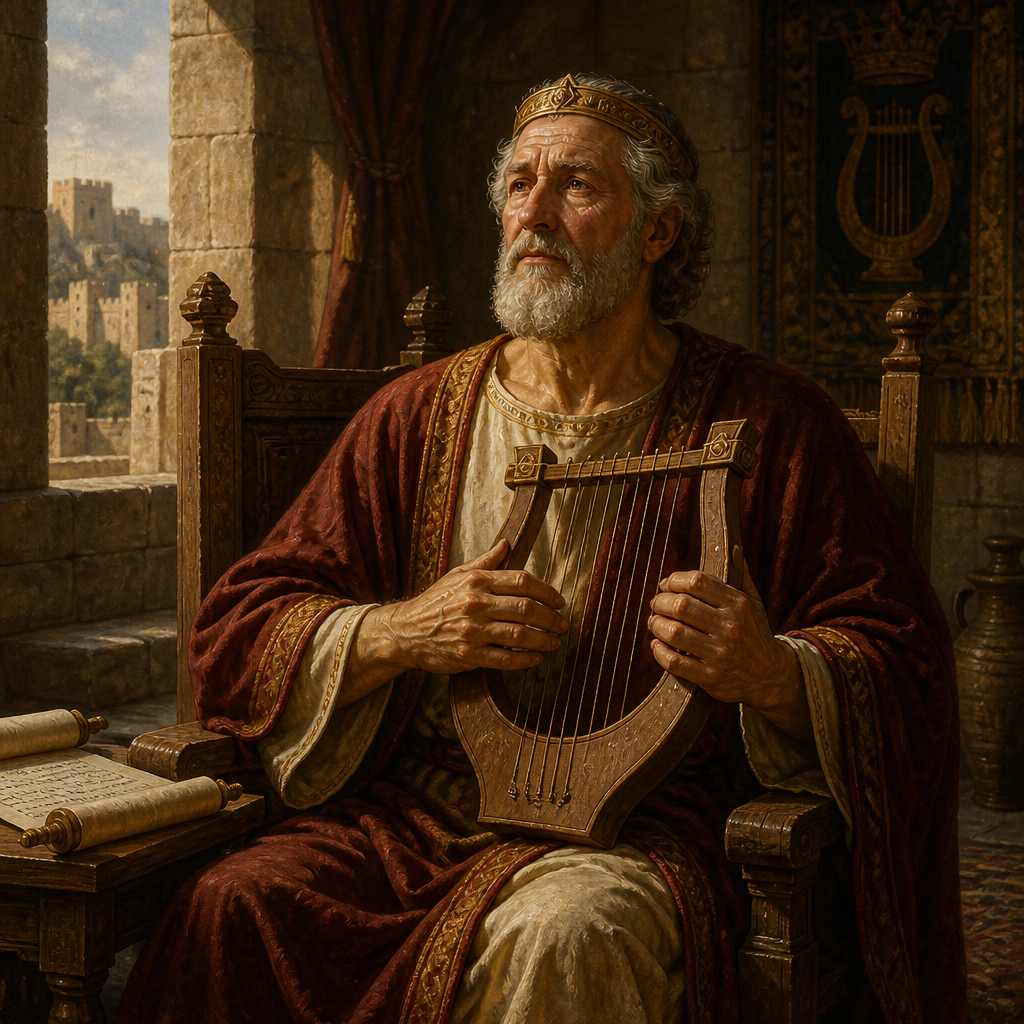
David
King who summoned him
Zadok
Contemporary High Priest
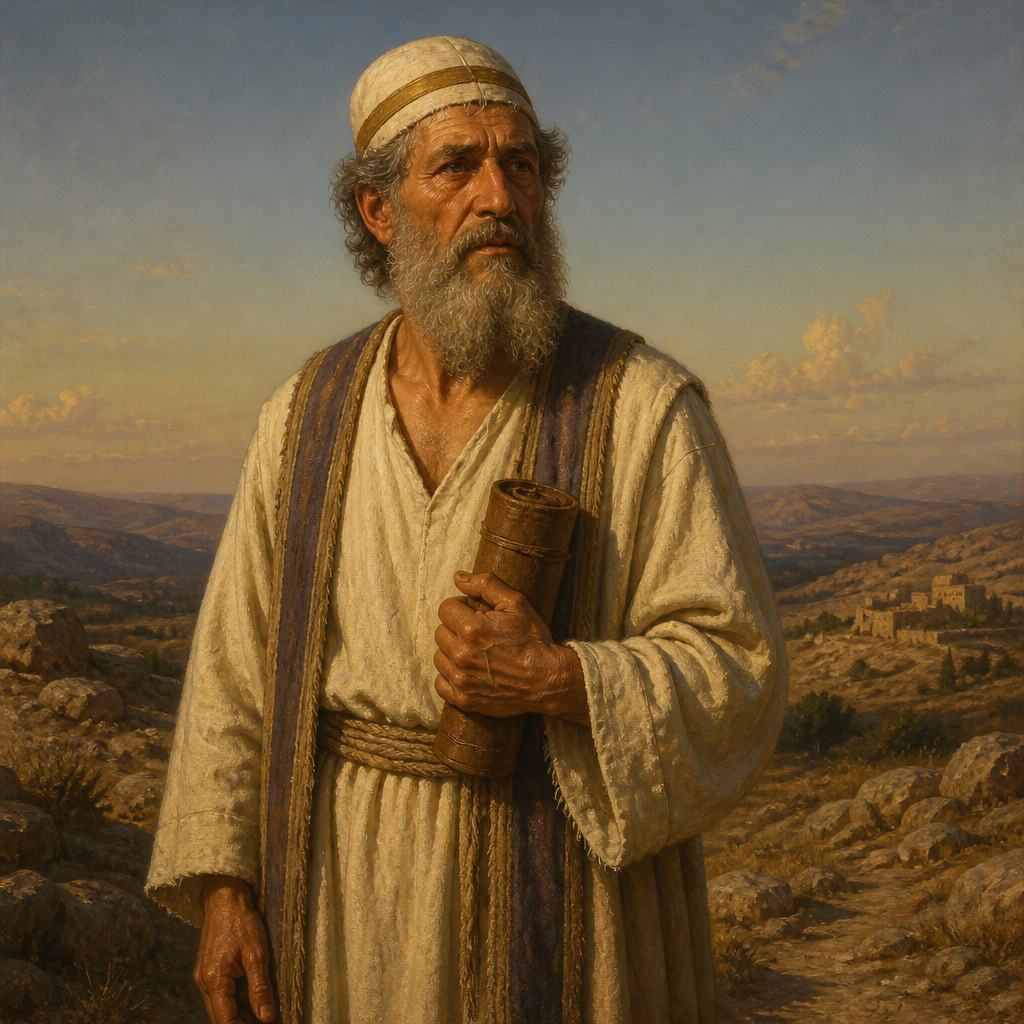
Abiathar
Contemporary High Priest
Asaiah
Fellow Levitical chief
Categories
Mentions by Book
- 1 Chronicles2
Others Named Uriel
Uriel of Gibeah2 Chronicles 13:2
A man from Gibeah identified as the father of Micaiah (Maacah) and the grandfather of King Abijah of Judah.
Uriel, Son of Tahath1 Chronicles 6:24
A Levite of the Kohathite line who lived during the Divided Monarchy and served as a link in the genealogical record of the temple servants.