Hoshaiah, Father of Jezaniah
A father of military and political leaders during the final days of the Kingdom of Judah under the Babylonian occupation.
Hoshaiah was a Judean man living during the Divided Monarchy, specifically during the turbulent era of the Babylonian siege and the subsequent governorship of Gedaliah. Though Hoshaiah himself is not recorded as a primary actor in the political upheavals, his significance in the biblical narrative is derived from the prominent roles played by his sons, who were leaders among the remnant of Judah left behind by Nebuchadnezzar.
He is mentioned primarily in the Book of Jeremiah, where his identity serves as a patriarchal marker for his descendants, Jezaniah and Azariah. His family was intimately involved in the critical decision-making processes regarding whether the Jewish remnant should stay in the land of Judah or flee to Egypt against the direct counsel of the prophet Jeremiah. The historical context of Hoshaiah's life is one of national collapse, religious tension, and the struggle for survival in the wake of the destruction of Jerusalem in 586 BC.
Background and Family
The biblical record concerning Hoshaiah is concentrated within the context of the Judean remnant following the fall of Jerusalem to Babylon. While his specific tribe is not explicitly stated in the Masoretic Text, he was clearly a man of status within the community of Judah, as evidenced by the leadership roles assumed by his sons. Hoshaiah is identified as the father of Jezaniah (Jeremiah 42:1) and Azariah (Jeremiah 43:2).
It is important to note that many scholars identify Jezaniah and Azariah as the same individual or, at the very least, brothers who both claimed Hoshaiah as their progenitor. Given the gravity of the events described in Jeremiah 42–43, Hoshaiah likely belonged to the social or military elite of the Divided Monarchy, as his offspring held the rank of "commanders of the forces."
Major Life Events
While Hoshaiah is not depicted performing specific deeds, his name is invoked during one of the most defiant moments in the history of the late Judean monarchy. After the assassination of the governor Gedaliah, the remaining Judean military leaders, including Hoshaiah’s sons, approached Jeremiah to seek the will of the LORD. They swore an oath to obey whatever word God gave them (Jeremiah 42:5–6).
However, when Jeremiah returned ten days later with a command to remain in Judah and a warning against fleeing to Egypt, the sons of Hoshaiah led the opposition. The text identifies Azariah son of Hoshaiah as one of the "arrogant men" who accused Jeremiah of lying, claiming that the prophet had been incited by Baruch son of Neriah to deliver the remnant into the hands of the Babylonians (Jeremiah 43:2–3).
Relationship to Other Biblical Figures
Hoshaiah’s primary relationship is to his sons, Jezaniah and Azariah. These men worked closely with Johanan son of Kareah, the primary leader of the remnant forces. Through his sons, Hoshaiah is connected to the prophet Jeremiah, though this connection is one of conflict and disobedience. The mention of Hoshaiah’s name in these passages serves to verify the lineage and legitimacy of the men challenging the prophetic word, anchoring them to the established Judean social order of the Divided Monarchy.
Spiritual Significance
The mention of Hoshaiah provides a genealogical link to the "arrogant men" who rejected the sovereignty of God's word. In the context of Jeremiah’s ministry, the house of Hoshaiah represents the persistent rebellion of the Judean hearts even after the judgment of the exile had begun. Despite witnessing the destruction of the Temple and the city, the lineage of Hoshaiah chose political expediency and fear of Babylon over trust in the divine promise of protection. Hoshaiah stands as a representative of the generation that lived through the end of the Davidic kingdom, whose legacy was defined by the choices of his children in the shadow of the Egyptian flight.
Spiritual Significance
Hoshaiah serves as a genealogical anchor for the leaders of the Judean remnant following the fall of Jerusalem. His significance lies in his paternity of Jezaniah and Azariah, who were central figures in the narrative of the flight to Egypt. By identifying these leaders by their father, the text emphasizes their heritage as men of Judah who should have known the Law and the history of God's deliverance, yet ultimately chose to lead the people back into Egyptian bondage.
Frequently Asked Questions
Who was Hoshaiah in the Bible?
Hoshaiah was a man of Judah during the Divided Monarchy whose sons, Jezaniah and Azariah, were military commanders of the remnant left in the land after the Babylonian conquest.
What role did Hoshaiah play in the Book of Jeremiah?
Hoshaiah is not described as taking action himself; rather, he is the father of the men who confronted the prophet Jeremiah regarding the move to Egypt.
Was Hoshaiah a king or a prophet?
No, there is no biblical evidence that Hoshaiah held the office of king or prophet. He appears to have been a member of the Judean nobility or military class.
What happened to Hoshaiah's sons?
His sons, specifically Azariah and Jezaniah, rejected Jeremiah’s prophecy and forcibly took the remaining Jews, including Jeremiah himself, down to Egypt.
Connected Figures
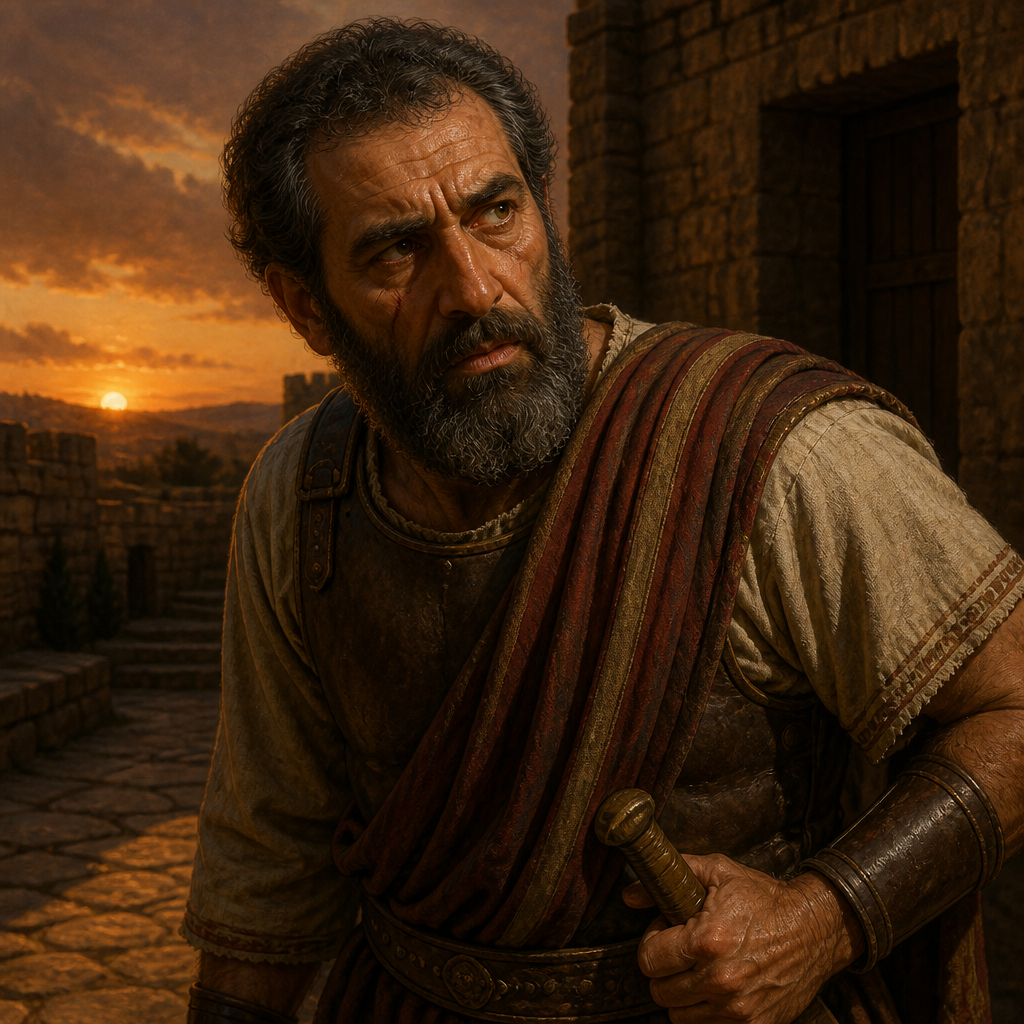
Jezaniah
Son
Azariah son of Hoshaiah
Son
Jeremiah
Prophetic contemporary to his children
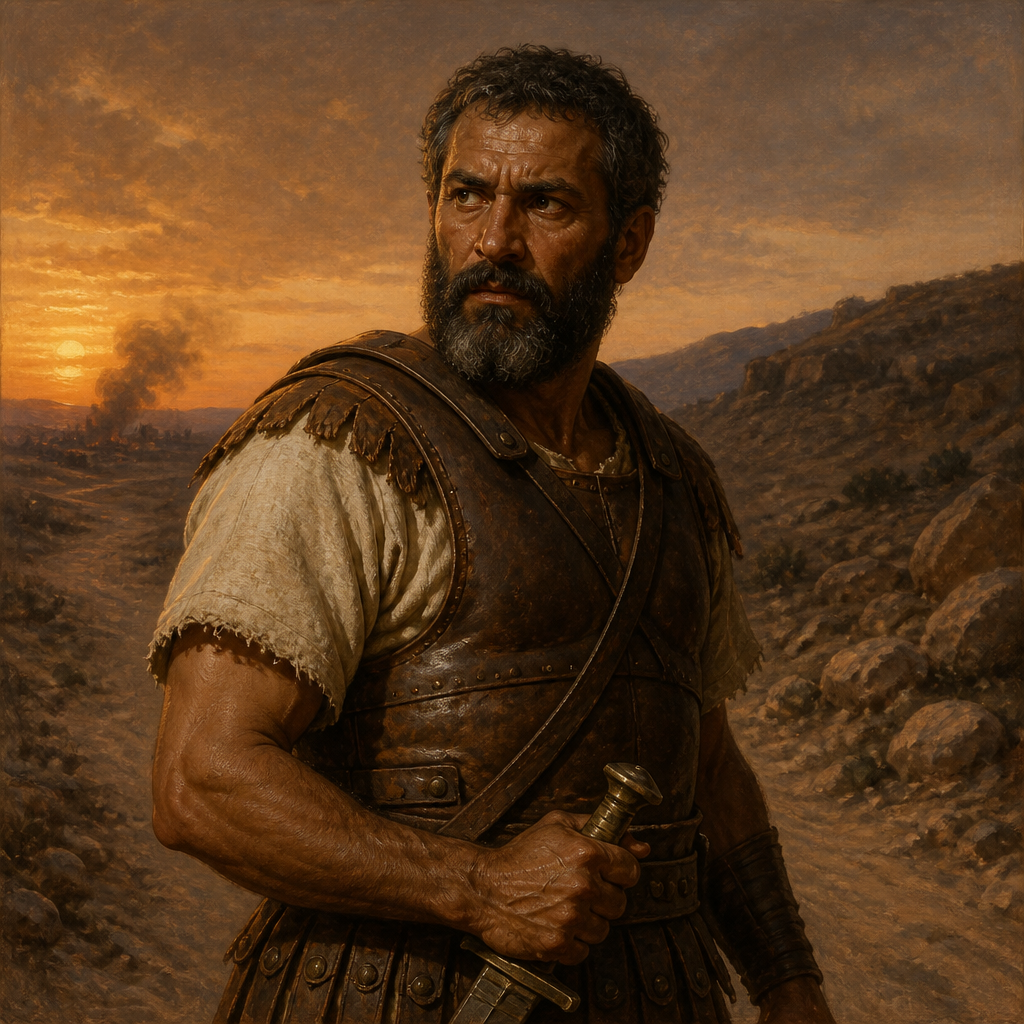
Johanan son of Kareah
Associate of his sons
Categories
Mentions by Book
- Jeremiah2
Family & Relationships
Child
Jeremiah 42:1
Others Named Hoshaiah
Hoshaiah, Leader of Judah in the Post-Exilic PeriodNehemiah 12:32
A prominent leader of Judah who participated in the solemn dedication of the rebuilt Wall of Jerusalem during the time of Nehemiah.