Hakkoz, Priest of the Divided Monarchy
Hakkoz was a priest during the reign of King David who was selected by lot to lead the seventh of the twenty-four divisions of the sanctuary service.
Hakkoz was a member of the Aaronic priesthood during the period of the Divided Monarchy's foundations under King David. His significance lies in his appointment to a leadership role within the organized structure of the tabernacle (and later temple) service. As King David sought to formalize the worship practices of Israel before the construction of the First Temple, he organized the descendants of Eleazar and Ithamar into twenty-four distinct divisions.
Hakkoz was designated to oversee the seventh division of these priestly rotations. This system ensured that the sanctuary was constantly attended by qualified ministers while preventing any single family from bearing the entire burden of service. The biblical record regarding this specific Hakkoz is concise, focusing entirely on his placement within the liturgical order of the nation.
Background and Family
Hakkoz was a descendant of Aaron, the first High Priest of Israel. According to 1 Chronicles 24, the priesthood had grown significantly by the latter years of King David's reign (c. 1010–970 BC). To maintain order, David, alongside the high priests Zadok and Ahimelech, divided the priests into twenty-four groups based on their ancestral lines. While the specific parentage of Hakkoz is not recorded in the text, his inclusion in this list confirms his status as a legitimate heir to the priestly office through either Eleazar or Ithamar. The biblical record does not identify his specific tribe, though by definition as a priest, he belonged to the tribe of Levi.
Major Life Events
The primary event associated with Hakkoz is the casting of lots to determine the order of priestly service. This process was conducted in the presence of King David and the leaders of the Levites to ensure divine guidance and impartiality. The seventh lot fell to Hakkoz (1 Chronicles 24:10).
This appointment meant that Hakkoz and his household were responsible for the sanctuary's duties for a specific period—typically one week, twice a year—as well as during major festivals. His responsibilities would have included performing sacrifices, tending the lamps, and maintaining the ritual purity of the sanctuary area. This organizational structure established during Hakkoz's time remained the standard for Jewish worship for centuries, influencing the operations of both Solomon’s Temple and the Second Temple.
Relationship to Other Biblical Figures
Hakkoz is mentioned in the immediate context of other prominent priestly leaders. Most notably, he is listed directly before Abijah, who received the eighth lot. This Abijah is of particular historical interest to biblical scholars as he is the ancestor of Zechariah, the father of John the Baptist (Luke 1:5). Hakkoz’s position as the head of the seventh division places him in the upper third of the priestly hierarchy established by David and Zadok.
Spiritual Significance
The inclusion of Hakkoz in the biblical record, despite the brevity of the mention, underscores the importance of order and faithfulness in divine service. In the biblical worldview, the meticulous recording of names and divisions served to validate the continuity of the covenant and the legitimacy of the sacrificial system. Hakkoz represents the thousands of faithful ministers who served behind the scenes to maintain the spiritual life of Israel. His legacy is one of institutional stability, ensuring that the 'service of the house of the LORD' was conducted according to the specific pattern revealed to the leadership of Israel.
Spiritual Significance
Hakkoz represents the administrative precision of the Davidic era, illustrating how the tribe of Levi was organized to facilitate national worship. His placement as the seventh lot suggests a position of respect and historical continuity within the priestly courses that governed the Temple for generations.
His mention in the genealogies of Chronicles serves a specific theological purpose: to demonstrate that the post-exilic community's worship was a direct continuation of the structures established by David. By recording Hakkoz, the chronicler affirms that every division of the priesthood was divinely ordained and historically documented.
Frequently Asked Questions
What does the name Hakkoz mean?
The name Hakkoz (הַקוֹץ) is derived from a Hebrew root meaning 'the thorn'.
Which priestly division did Hakkoz lead?
Hakkoz was assigned to the seventh division of the twenty-four priestly courses established by King David.
In which book of the Bible is this Hakkoz mentioned?
This specific Hakkoz is mentioned only in 1 Chronicles 24:10.
Who was the king when Hakkoz received his appointment?
Hakkoz received his appointment during the reign of King David, during the transition toward the building of the First Temple.
Was Hakkoz a High Priest?
No, Hakkoz was the head of a priestly division, but the High Priests at the time were Zadok and Ahimelech.
Connected Figures
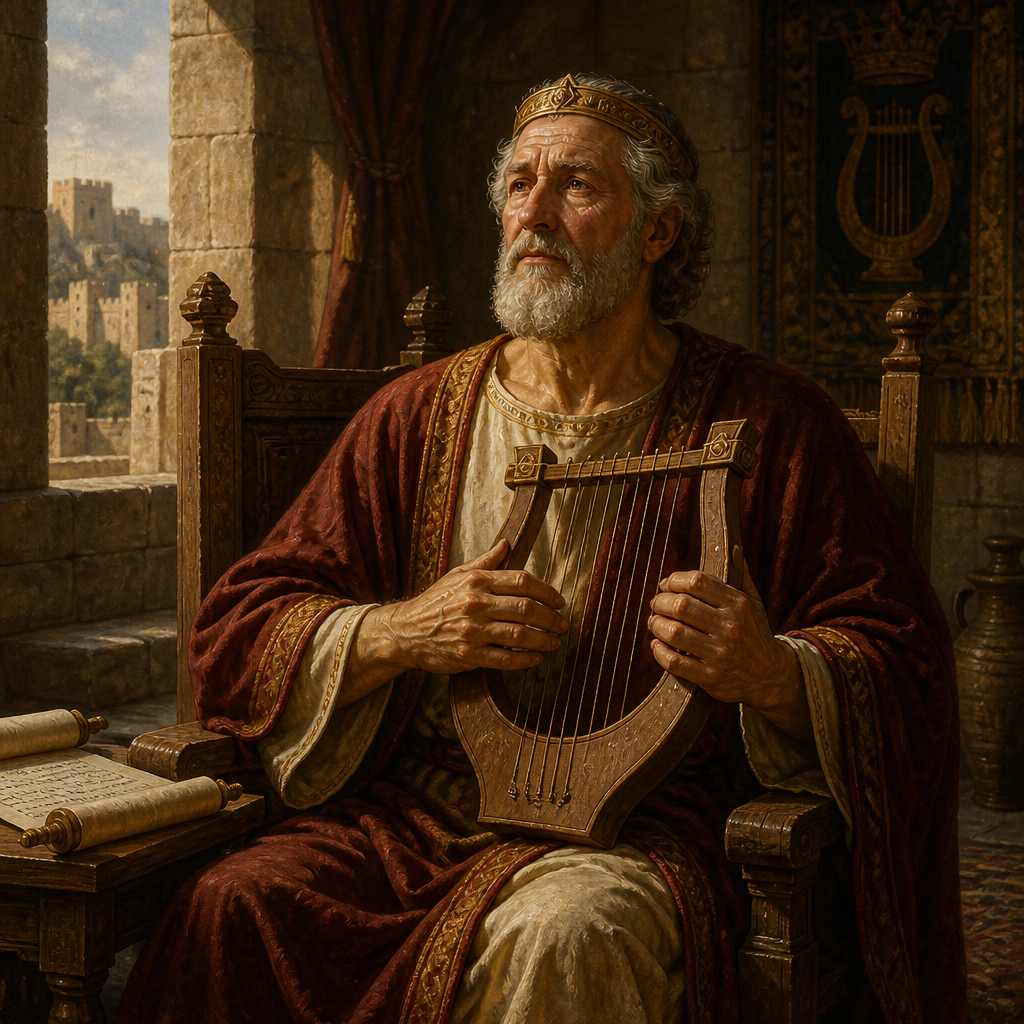
David
King who organized his priestly division
Abijah
Priest who received the eighth lot, following Hakkoz
Zadok
High Priest who assisted in Hakkoz's appointment
Categories
Mentions by Book
- 1 Chronicles1
Others Named Hakkoz
Hakkoz, Grandfather of MeremothNehemiah 3:4
A Jewish man of the post-exilic period whose grandson, Meremoth, played a significant role in rebuilding the walls of Jerusalem under Nehemiah.
Hakkoz, Priest of the Exile and ReturnEzra 2:61
A priest whose descendants returned from the Babylonian Exile but were excluded from the priesthood due to lost genealogical records.