Elioenai, Leader of Simeon
A prominent tribal leader of the Simeonites listed in the genealogical records of 1 Chronicles during the era of the Divided Monarchy.
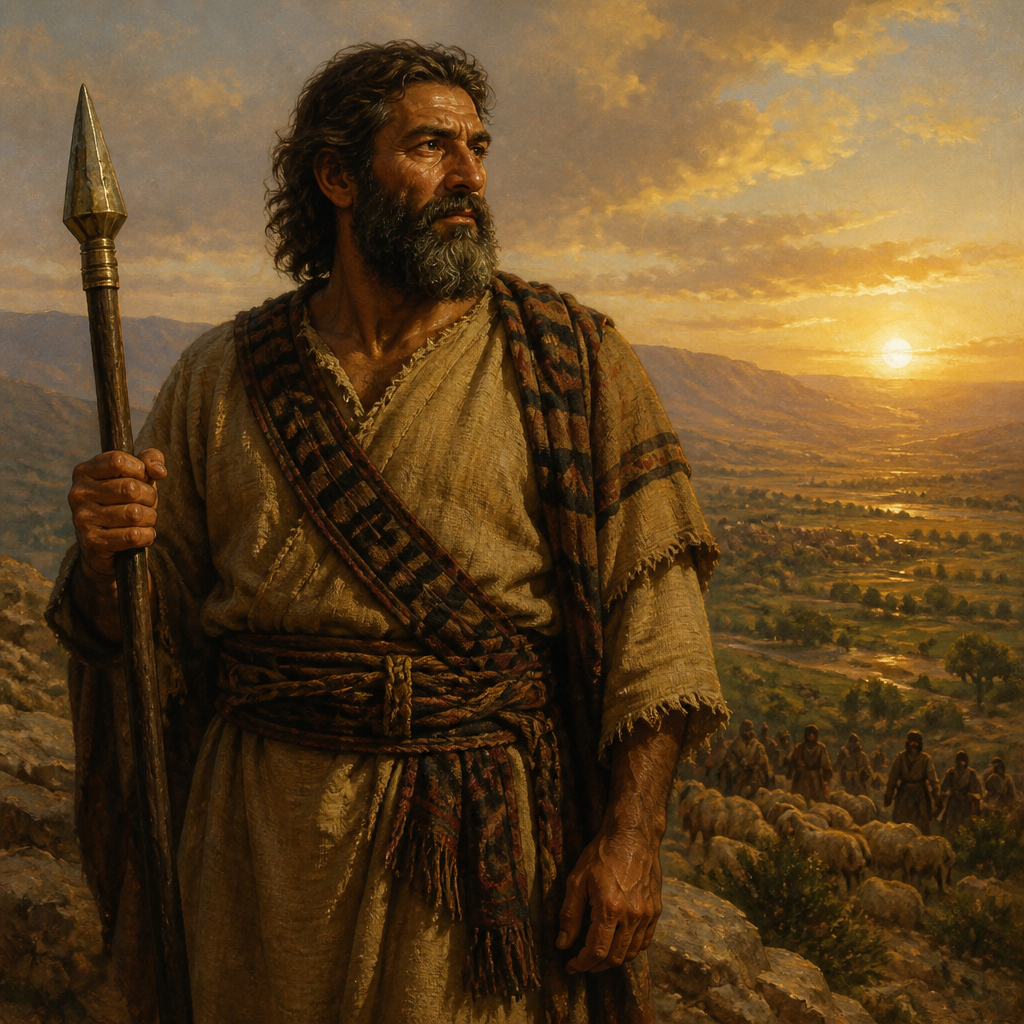
Elioenai, a figure mentioned in the genealogical records of the Tribe of Simeon, lived during the period of the Divided Monarchy in the land of Israel. His inclusion in the chronicler's record highlights his status as a significant individual within his clan, specifically during a time when tribal lineages were vital for maintaining social structure and land inheritance. The name Elioenai itself is a powerful theophoric name, meaning 'My eyes are toward the Lord' or 'To the Lord are my eyes,' reflecting a spiritual heritage and a posture of trust in Yahweh.
While the biblical record of this specific Elioenai is confined to a single verse, he is situated within a list of 'princes' or leaders who played a critical role in the expansion of Simeonite territory. These leaders were noted for their increasing population and their eventual migration toward Gedor to find pasture for their flocks, a movement that secured the tribe's survival during a volatile era of Israelite history.
Background and Family
Elioenai is identified as a member of the Tribe of Simeon. In the structure of 1 Chronicles 4, he is listed among the descendants of Shimei, whose family was noted for having many children, unlike many other Simeonite clans of that era. The text places Elioenai in the context of the Divided Monarchy, a period when the northern and southern kingdoms had separated, and the individual tribes sought to maintain their distinct identities through detailed record-keeping.
The Simeonites held territory within the larger portion of the Tribe of Judah, and their history was often defined by their efforts to expand their narrow borders. Elioenai appears in a list of names—including Jaakobah, Jeshohaiah, Asaiah, and others—who are described as "princes in their families" (1 Chronicles 4:38). This suggests that Elioenai was not merely a private citizen but a leader who held authority over his ancestral house.
Major Life Events
The primary historical context for Elioenai is found in the migration and expansion of the Simeonites. According to the surrounding narrative in 1 Chronicles 4, the men listed alongside Elioenai were leaders of a significant movement. As their families increased greatly, they traveled to the entrance of Gedor, toward the east side of the valley, in search of pasture for their flocks.
During this expedition, they discovered a quiet and fertile land inhabited by the Hamites. The biblical text indicates that these Simeonite leaders, including Elioenai's contemporaries, destroyed the existing settlements and displaced the inhabitants to secure a permanent dwelling place for their people. While Elioenai is mentioned as an individual in verse 36, his life's work was inextricably linked to this collective tribal effort to secure the future of the Simeonite heritage during the reigns of the Judean kings, specifically mentioned as occurring in the days of King Hezekiah.
Relationship to Other Biblical Figures
Elioenai is listed alongside ten other Simeonite leaders: Jaakobah, Jeshohaiah, Asaiah, Adiel, Jesimiel, Benaiah, Ziza (son of Shiphi), and others. These men served as a governing council or a collective of clan heads. Unlike other figures with more extensive biographies, Elioenai’s relationships are defined by his tribal peers rather than a detailed vertical genealogy. He is a contemporary of the other "princes" mentioned in the passage, working in unison to manage the resources and security of their people.
Spiritual Significance
The significance of Elioenai lies primarily in the preservation of the Simeonite lineage. In the theological framework of the Chronicler, the meticulous recording of names like Elioenai served to prove that God had not forgotten the smaller or less prominent tribes of Israel. Even as the Divided Monarchy faced internal strife and external threats from empires like Assyria and Babylon, the survival of Elioenai’s house was a testament to the fulfillment of the Abrahamic promise regarding the multiplication of descendants.
Furthermore, his name serves as a linguistic witness to the religious climate of his home. "Elioenai" (My eyes are toward the Lord) suggests a household that prioritized the worship of Yahweh. In an era often characterized by idolatry, such names functioned as public declarations of faith and dependence on the God of Israel.
Spiritual Significance
Elioenai represents the continuity of the Tribe of Simeon during the Divided Monarchy. His inclusion in the census of 1 Chronicles 4 serves a dual purpose: it validates the administrative records of the tribe and highlights the leadership responsible for the Simeonite expansion during the reign of King Hezekiah. Theologically, he stands as a representative of those 'princes' who ensured the survival of their clans through faith and action.
His presence in the text also underscores the importance of every individual within the covenant community. Though his specific deeds are not detailed, his status as a 'prince' and the preservation of his name in the Holy Scriptures indicate his role in the broader narrative of Israel’s persistence through the centuries of the monarchy.
Frequently Asked Questions
Who was Elioenai in 1 Chronicles 4?
He was a leader or 'prince' from the Tribe of Simeon who lived during the era of the Divided Monarchy.
What does the name Elioenai mean?
The name is Hebrew and means 'My eyes are toward the Lord' or 'To the Lord are my eyes.'
What tribe did Elioenai belong to?
He belonged to the Tribe of Simeon, one of the twelve tribes of Israel.
What major event was Elioenai's family involved in?
They were part of a Simeonite expansion that sought new pasture lands in Gedor, displacing Hamite settlers during the time of King Hezekiah.
Is Elioenai mentioned in the New Testament?
No, this specific Elioenai is only mentioned in the Old Testament, specifically in the genealogical records of 1 Chronicles.
Connected Figures
Jaakobah
Tribal peer and fellow leader
Benaiah
Tribal peer and fellow leader
Hezekiah
King of Judah during the Simeonite expansion
Categories
Mentions by Book
- 1 Chronicles1
Others Named Elioenai
Elioenai, Musician Priest under NehemiahNehemiah 12:41
A post-exilic priest and trumpeter who participated in the joyful dedication ceremony of the rebuilt walls of Jerusalem under the leadership of Nehemiah.
Elioenai, Son of Becher1 Chronicles 7:8
A Benjamite descendant and son of Becher, recorded in the genealogies of 1 Chronicles during the Egyptian Sojourn and Wilderness era.
Elioenai, Son of Neariah1 Chronicles 3:23
A descendant of King David through the line of Zerubbabel, known for his large family of seven sons during the era of the Divided Monarchy.
Elioenai, Descendant of ZattuEzra 10:27
Elioenai was a descendant of Zattu who returned to Jerusalem from the Babylonian exile and was identified during Ezra's reforms as one who had married a foreign woman.
Elioenai, Descendant of PashhurEzra 10:22
A member of the priestly family of Pashhur who was required to divorce his foreign wife during Ezra's post-exilic reforms.