Amon, King of Judah
The fifteenth king of Judah whose brief, two-year reign was marked by extreme idolatry and ended in his assassination by his own officials.
Amon, the son of Manasseh, was a monarch of the Kingdom of Judah during the mid-seventh century BC. His reign is documented in 2 Kings 21 and 2 Chronicles 33, serving as a dark transitional period between the long, tumultuous reign of his father and the sweeping religious reforms of his son, Josiah. Amon ascended to the throne at the age of twenty-two, but his tenure was short-lived, lasting only two years (c. 642–640 BC).
Historically, Amon is characterized by his steadfast commitment to the pagan practices established by his father, Manasseh. Unlike his father, who the biblical record indicates repented toward the end of his life, Amon remained unrepentant and intensified the spiritual decline of the nation. His life came to a violent end when his own servants conspired against him and murdered him in his palace, an act that triggered a swift and decisive response from the populace of Judah.
Background and Family
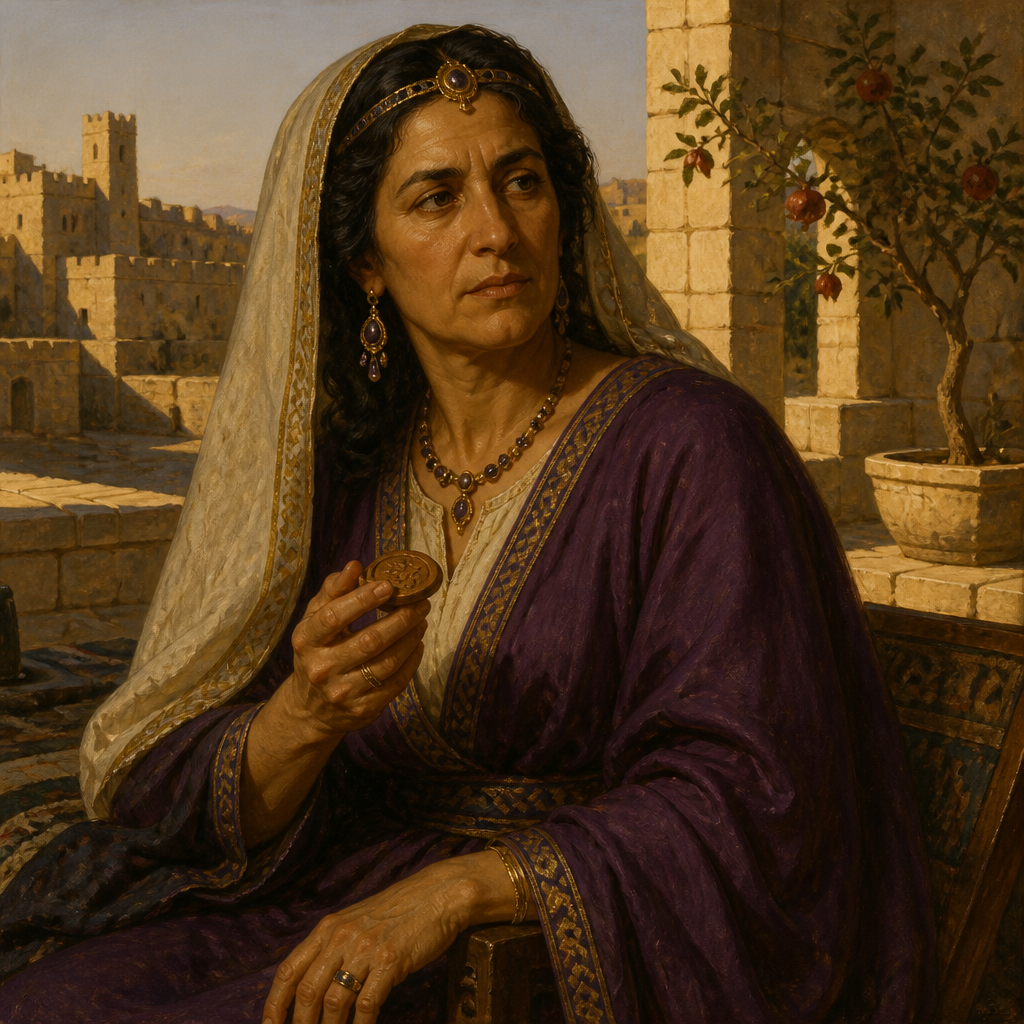
Amon was born into the Davidic line during the lengthy and religiously contentious reign of his father, Manasseh. His mother was Meshullemeth, the daughter of Haruz of Jotbah. While little is known of his upbringing, the biblical text emphasizes the profound influence of his father’s earlier years on Amon’s character. He was born into an era where the worship of Yahweh had been largely supplanted by the cults of Baal and Asherah, alongside Assyrian astral worship.
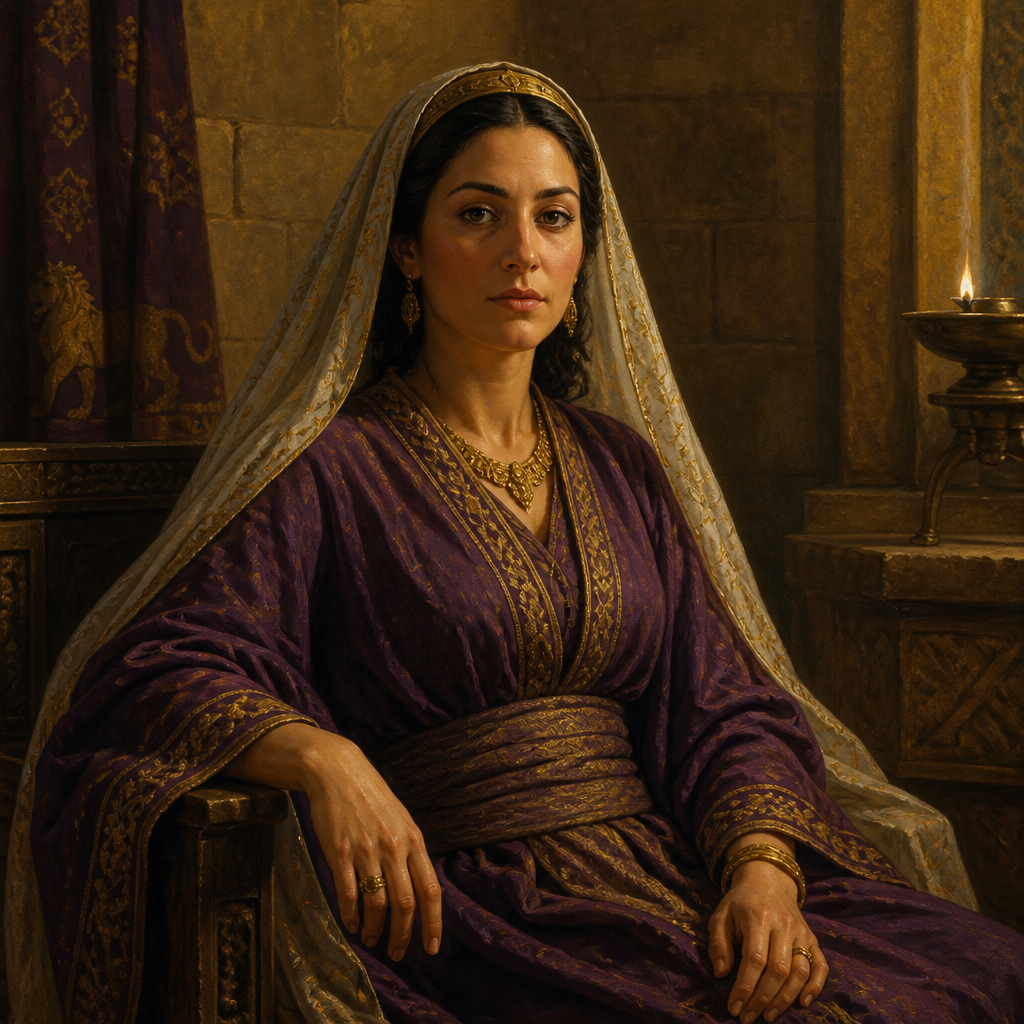
Amon’s family life is defined by his place in the Messianic genealogy. He was the father of Josiah, one of Judah’s most celebrated and righteous kings, and was married to (or partnered with) Jedidah, the mother of Josiah. Through this lineage, Amon appears in the genealogy of Jesus Christ recorded in the Gospel of Matthew.
Major Life Events
Accession and Idolatry
Amon became king of Judah at the age of twenty-two. His reign began around 642 BC, following the death of Manasseh. Despite the political stability his father had maintained through vassalage to Assyria, Amon’s internal religious policy was disastrous. The author of 2 Chronicles notes that Amon "did evil in the sight of the Lord" and specifically "sacrificed to all the carved images which Manasseh his father had made, and served them" (2 Chronicles 33:22).
Refusal to Repent
A significant distinction is made between Amon and his father. While Manasseh had humbled himself before God after being taken captive to Babylon, Amon "did not humble himself before the Lord, as his father Manasseh had humbled himself; but Amon trespassed more and more" (2 Chronicles 33:23). This persistence in sin without the mitigating factor of late-life repentance defined his brief legacy as one of unmitigated wickedness.
Assassination and Aftermath
After only two years on the throne, Amon’s reign was terminated by a domestic conspiracy. His own officials or servants rose up against him and killed him within his palace. The text does not provide a specific motive for the coup—whether it was political, religious, or personal—but it indicates a significant fracture within the royal court. However, the conspirators did not enjoy the support of the general population. The "people of the land" executed the assassins and placed Amon’s eight-year-old son, Josiah, on the throne. Amon was buried in the garden of Uzza, the same private burial ground as his father, rather than the traditional royal tombs of the House of David.
Relationship to Other Biblical Figures
Amon’s primary relationship in the biblical narrative is that of a foil to his son, Josiah. While Amon represented the height of Judean apostasy, Josiah represented its greatest reform. The contrast underscores the biblical theme of individual moral responsibility; despite having a father who walked in deep sin, Josiah sought the God of David.
Additionally, the prophetic ministries of Jeremiah and Zephaniah are dated by their relationship to Amon's son, Josiah. Both Jeremiah 1:2 and Zephaniah 1:1 mention Josiah as the "son of Amon," using Amon's name as a chronological marker to establish the timing of God's word coming to the prophets during the Divided Monarchy.
Spiritual Significance
Theologically, the life of Amon serves as a cautionary tale regarding the hardening of the heart. The Chronicler emphasizes that Amon’s sin was not just the act of idolatry, but his refusal to follow the pattern of humility set by his father’s later years. In the broader context of the Deuteronomistic History, Amon’s reign represents the final "fill" of the cup of iniquity for Judah. Though Josiah’s reforms delayed the coming judgment, the patterns of idol worship reinforced by Amon and his father eventually led to the Babylonian exile.
In the New Testament, Amon is listed in the genealogy of Jesus (Matthew 1:10). His inclusion serves as a reminder that the lineage of the Messiah included both the exceptionally righteous and the notably wicked, highlighting the grace inherent in the Davidic promise.
Spiritual Significance
Amon's significance lies primarily in his role as the father of King Josiah and his placement in the royal line of David. Though his reign was short and characterized by a rejection of Yahweh, he remains a vital link in the genealogical history of Israel. His refusal to repent, contrasted with Manasseh's late-life humility, serves as a theological warning about the dangers of spiritual stagnation and the rejection of divine mercy.
Furthermore, Amon's death and the subsequent installation of Josiah by the 'people of the land' demonstrate the social and political volatility of Judah during the Divided Monarchy. He is a pivotal figure who illustrates the depths to which the Davidic monarchy sank before the final attempts at reform under his successor.
Frequently Asked Questions
How long did King Amon reign?
King Amon reigned for only two years, from approximately 642 BC to 640 BC.
Who was Amon's son?
Amon's son was Josiah, who became one of Judah's most righteous kings and led a major religious reform.
How did King Amon die?
Amon was assassinated in his own palace by his servants or officials who conspired against him.
Where was King Amon buried?
He was buried in the garden of Uzza, which was the palace garden, rather than in the traditional tombs of the kings.
Was King Amon mentioned in the New Testament?
Yes, Amon is mentioned in Matthew 1:10 as part of the genealogy of Jesus Christ.
Connected Figures
Categories
Mentions by Book
- 2 Chronicles5
- 2 Kings5
- Jeremiah2
- 1 Chronicles1
- Matthew1
- Zephaniah1
Family & Relationships
Child
2 Kings 21:18
Spouse / partner
2 Kings 21:18
Parent
2 Kings 20:21
Parent
2 Kings 21:19
Spouse / partner
2 Kings 22:1
Others Named Amon
Amon, Governor of Samaria1 Kings 22:26
A high-ranking official and governor of the city of Samaria who served under King Ahab during the Divided Monarchy.