Hul
Who was Hul in the Bible?
A grandson of Shem and son of Aram, Hul is listed among the progenitors of the post-flood nations in the Table of Nations.
Hul was a descendant of Noah through the line of Shem, appearing in the genealogical records of the primeval history of the ancient Near East. According to the Table of Nations preserved in the book of Genesis, he was one of the four sons of Aram. His inclusion in these records signifies his role as a foundational patriarch for one of the tribal groups that emerged following the Great Flood.
The biblical record concerning Hul is brief, consisting entirely of his placement within two major genealogies. Despite this brevity, his position in the lineage of Shem marks him as a member of the Semitic peoples, specifically the branch associated with the Arameans. His name persists in the historical record solely as a link in the chain of human expansion across the ancient world during the early post-diluvian era.
Background and Family
Hul is introduced in the biblical narrative within the context of the "Table of Nations," a genealogical framework found in Genesis 10. This chapter serves to categorize the various ethnic and linguistic groups that spread throughout the earth after the flood of Noah. Hul is identified as the son of Aram, who was himself the son of Shem.
Hul was one of four brothers: Uz, Gether, and Mash (referred to as Meshech in the parallel account in 1 Chronicles). As part of the third generation from Shem, Hul and his siblings represent the immediate expansion of the Aramean branch of the Semitic family. The Hebrew name Chul (חוּל) is etymologically linked to concepts of twisting or writhing, though its specific meaning in a naming context remains a subject of linguistic debate among scholars.
Major Life Events
The Bible does not record specific personal anecdotes, speeches, or biographical events for Hul. His life occurs during the Primeval History, a period characterized by the reconstruction of human society following the Deluge. His primary "event" in the biblical text is his birth and his subsequent listing as a distinct tribal head.
In the ancient Near Eastern context, being listed in the Table of Nations implies the founding of a specific region or people group. While the Bible does not explicitly state where Hul settled, historical geographers have traditionally looked for his descendants in the regions north of the Jordan Valley or within the Mesopotamian landscape, though such identifications are speculative and not directly confirmed by the text of Genesis.
Relationship to Other Biblical Figures
Hul’s primary relationships are defined by his immediate kin. He is a grandson of Shem, one of the three sons of Noah who survived the flood. This places Hul in the favored line of Shem, from which the Hebrews would eventually descend, although Hul’s specific branch (the sons of Aram) is distinct from the line of Arphaxad, which leads directly to Abraham.
His relationship with his brothers is also significant in the biblical structure. His brother Uz is frequently associated with the land of Uz, the setting for the Book of Job. As a sibling to Uz, Gether, and Mash, Hul is presented as an integral part of the early Aramean identity, contributing to the diversity of the Semitic populations in the Levant and Mesopotamia.
Spiritual Significance
While Hul is not a protagonist in a moral narrative, his presence in the holy scriptures underscores the biblical theme of divine order and the fulfillment of the command to "be fruitful and multiply." By listing individuals like Hul, the biblical authors emphasize that the nations of the world are not random occurrences but are the result of a documented lineage tracing back to a single family preserved by God.
The preservation of Hul’s name in both Genesis and 1 Chronicles serves a structural purpose in the Bible. It bridges the gap between the universal history of Noah and the specific, elective history of the patriarchs. Hul represents the reality of the nations surrounding Israel, acknowledging their shared ancestry and their place within the created order established after the flood.
Hul's significance lies in his role within the Table of Nations, representing the diversification of the human race after the Flood. As a son of Aram, he provides a genealogical link for the Aramean peoples, reinforcing the Semitic heritage of various Near Eastern tribes. His inclusion in both Genesis and 1 Chronicles ensures the continuity of the historical record from the post-flood world to the era of the Israelite monarchy.
Frequently Asked Questions
Who was Hul's father?
Hul was the son of Aram, who was the son of Shem.
What does the name 'Hul' mean?
The Hebrew name Chul is often associated with the root for 'writhing' or 'twisting,' though its specific meaning as a proper name is not defined in the Bible.
Where did Hul live?
The Bible does not specify his location, though he is traditionally associated with the Aramean regions of the ancient Near East.
Who were Hul's siblings?
According to Genesis 10:23, his brothers were Uz, Gether, and Mash.
Is Hul mentioned in the New Testament?
No, Hul is only mentioned in the Old Testament genealogies of Genesis and 1 Chronicles.
Family & Relationships
Parents
 Aram, Son of ShemFatherGenesis 10:23Stated
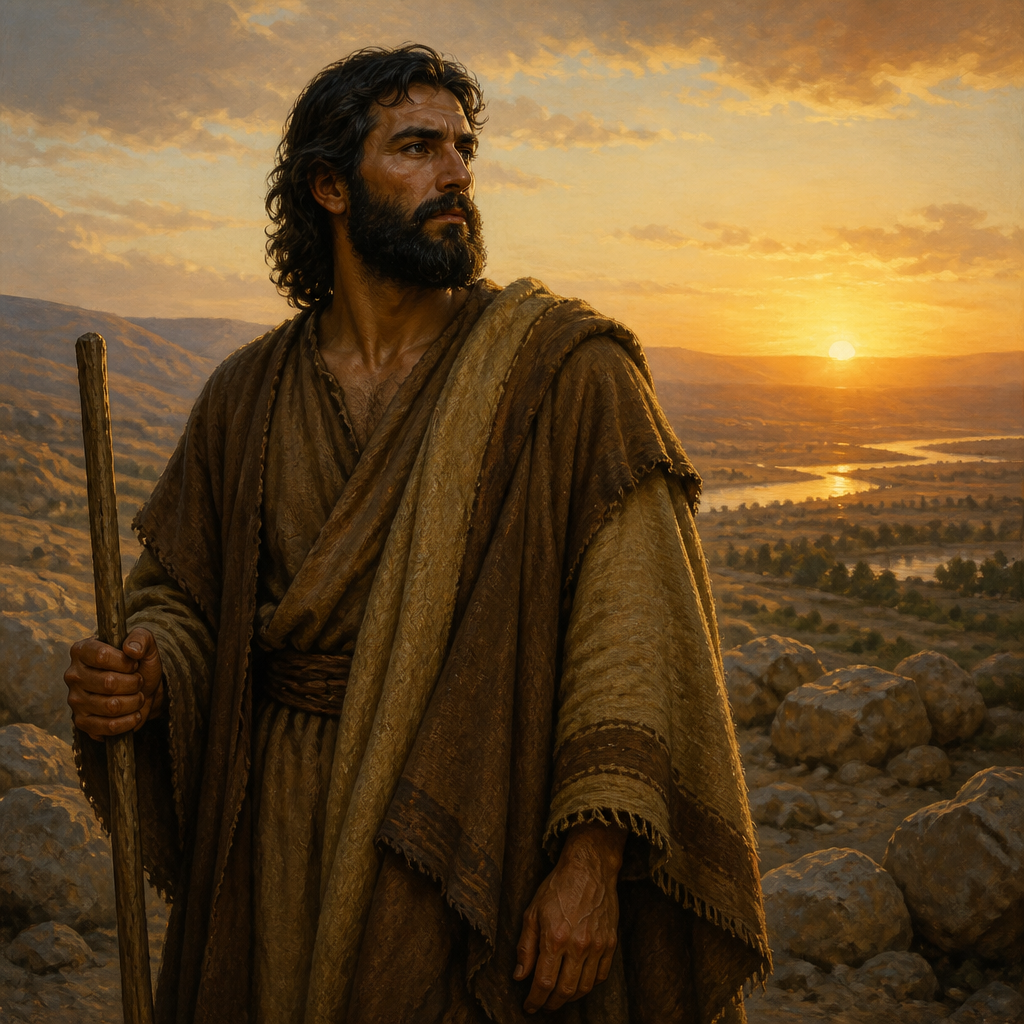 HulThis page
 GetherBrotherGenesis 10:23Stated
 MashBrotherGenesis 10:23Stated
 Uz, Son of AramBrotherGenesis 10:23Stated
Extended family
 ShemGrandfatherGenesis 10:23
Inferred
Reconstructed through Uz: Genesis 10:23 ties Hul to Uz; 1 Chronicles 1:17 ties Uz to Shem (itself an inferred link). No verse states the grandfather link between Hul and Shem directly.Evidence: Genesis 10:23; Genesis 10:22
Connected Figures
Family
Father · Genesis 10:23
Aram was a son of Shem and grandson of Noah, recognized as a primary ancestor of various Semitic peoples in the ancient Near East.
Brother · Genesis 10:23
Gether was a son of Aram and a grandson of Shem, listed in the Table of Nations as a founder of a post-Flood tribal lineage.
Primeval HistoryFirst: Genesis 10:233 versesEarly Tribal Founder
Brother · Genesis 10:23
Mash was a descendant of Shem and a son of Aram, listed in the Table of Nations as a progenitor of an early Near Eastern tribal group.
Brother · Genesis 10:23
Uz was a grandson of Shem and a son of Aram, recorded in the Table of Nations following the Great Flood.
Grandfather · Genesis 10:23
The eldest or middle son of Noah, an Ark survivor, and the foundational patriarch of the Semitic peoples, including the Israelites.
Primeval HistoryFirst: Genesis 5:3226 versesPatriarch and Ark survivor
Categories
Mentions by Book
- Genesis2
- 1 Chronicles1
Scripture References
All 3 indexed verses, in canonical order, from the Berean Standard Bible.
Genesis · 2
- Genesis 10:22Partial
The sons of Shem: Elam, Asshur, Arphaxad, Lud, and Aram.
Cited as evidence on a family card; added so References, Key Verses and Mentions by Book share one index.
- Genesis 10:23
The sons of Aram: Uz, Hul, Gether, and Mash.
1 Chronicles · 1
- 1 Chronicles 1:17
The sons of Shem: Elam, Asshur, Arphaxad, Lud, and Aram. The sons of Aram: Uz, Hul, Gether, and Meshech.